Chrysophyllum viridifolium
J. M. Wood & Franks
Fluted milkwood
iNaturalist· cc-by-nc
(c) Peter Vos, some rights reserved (CC BY-NC)
iNaturalist· cc-by-nc
(c) Peter Vos, some rights reserved (CC BY-NC)
iNaturalist· cc-by-nc
(c) Peter Vos, some rights reserved (CC BY-NC)
Description
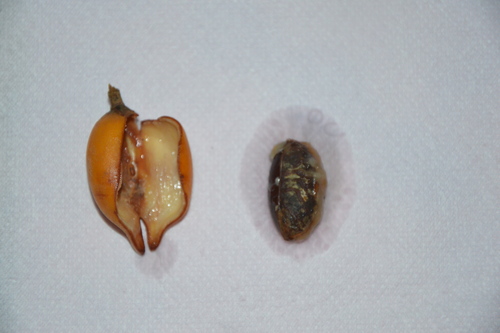
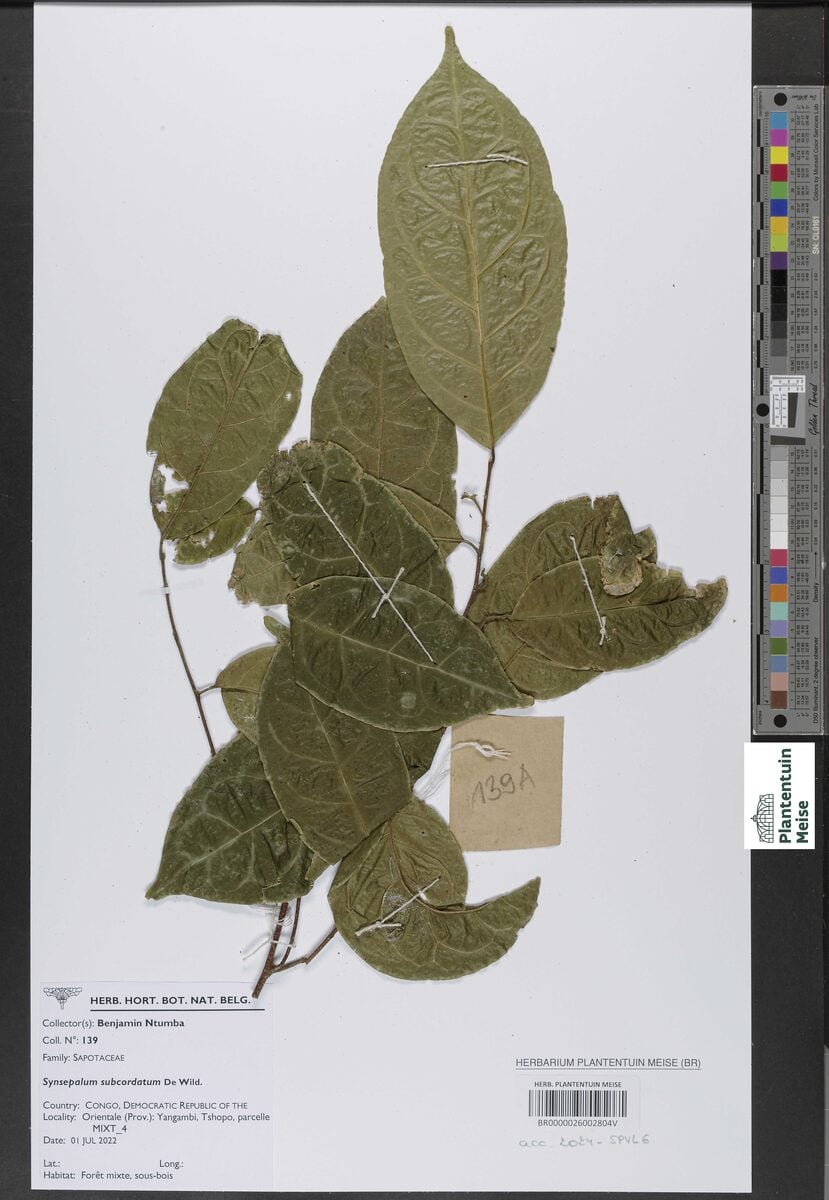
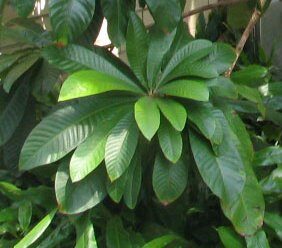
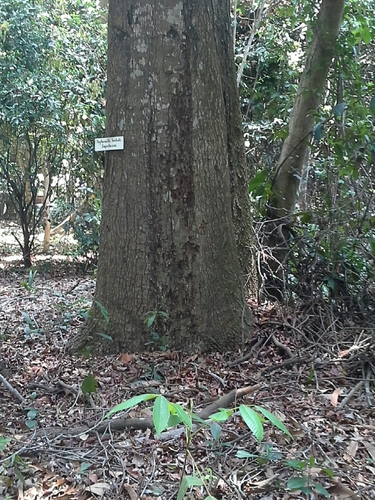
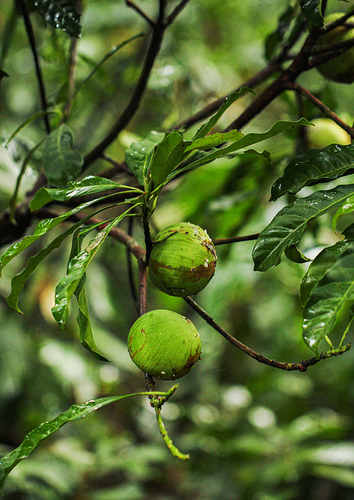
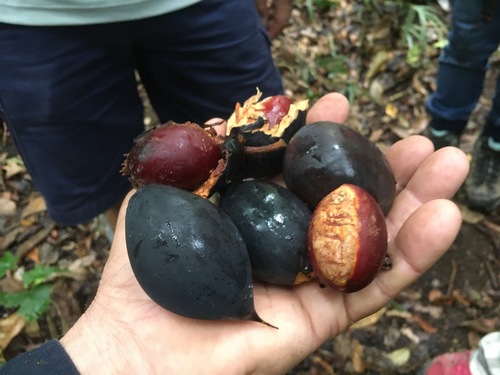
A large tree. It can be 30 m tall and have a trunk 2 m across. The trunk can be deeply fluted. The leaves are simple and scattered on the twigs. They are 3.8-11 cm long by 1.9-5 cm wide. They are oblong. The leaves are dark green on top and lighter underneath. The midrib is sunken on top and raised underneath. The flowers are small and white and bell shaped. They occur in clusters in the axils of lower leaves. The fruit is a berry. it is 2.5 cm across. It is yellow and smooth. The yellow pulp has sticky sap and 5 shiny yellow seeds. These are 1.3 cm long and boat shaped. The fruit are edible.
Edible Uses
The fruit are eaten and have a pleasant taste.
Traditional Uses
The fruit are eaten.
This uses section is brief — help expand it
Distribution
A tropical plant. It occurs in evergreen forest.
Where It Grows
Africa, East Africa, Eswatini, Kenya, Malawi, Mozambique, South Africa, Southern Africa, Swaziland, Zimbabwe,
Cultivation
A tree of low to moderate elevations in the subtropics to the tropics.
Other Uses
The wood is used for timber, grain mortars and stools.
Production
The fruit ripen irregularly throughout the year.
Other Information
They have a pleasant taste.
Notes
There are about 80-150 Chrysophyllum species. They are mostly in tropical America. There are 44 species in tropical America.
Nutrition
| Part | Moisture | kJ | kcal | Protein | Vit A | Vit C | Iron | Zinc |
|---|---|---|---|---|---|---|---|---|
| Fruit | 58.2 | 715 | 171 | 2.7 | — | — | — | — |