Chrysophyllum perpulchrum
Milder ex Hutch. et Dalz.
Monkey Star apple
wikimedia· cc-by-sa
Gregor Rom (via Wikimedia Commons)
wikimedia· cc-by-sa
Gregor Rom (via Wikimedia Commons)
wikimedia· cc-by-sa
Gregor Rom (via Wikimedia Commons)
Description
A tree. It grows 25-30 m high. It can have buttresses at the base. The trunk can be 1 m across. The leaves have a reddish-brown covering. The leaves are large and 15-22 cm long and 6-8 cm wide. They have 15-20 side veins. The flowers are in clusters and have a rusty covering. The fruit do not have stalks. They are round and 2.5 cm across. They have a rusty covering.
Edible Uses
Fruit. The reddish-brown fruit is a globose berry 2 - 4cm long containing up to 5 fairly large seeds.
Medicinal Uses
A bark decoction is aid to be anodyne, aphrodisiac, galactagogue and tonic. It is used in the treatment of jaundice, asthma and other respiratory complaints, and also madness. The alkaloid cardiochrysine has been recorded for the bark; this compound showed depressant activity in the thalamus and hypothalamus, and hypotensive and cardiotonic activity.
Distribution
A tropical plant. It grows in a range of forests in West Africa, especially dry and semi-dry forests. It is best in deep soils and usually on slopes.
Where It Grows
Africa, Cameroon, Central Africa, Central African Republic, CAR, Congo DR, Côte d'Ivoire, East Africa, Equatorial Guinea, Ghana, Guinea, Guinée, Ivory Coast, Liberia, Sierra Leone, Tanzania, Uganda, West Africa,
Cultivation
Plants are grown from seeds. They take 18 days to germinate. Seedlings need light to grow.
Propagation
Seed - best sown as soon as it is ripe, when it can germinate in 12 - 30 days.
Other Uses
A latex obtained from the bark is used as a rubber substitute. The heartwood is yellowish or pinkish white to brownish yellow and indistinctly demarcated from the sapwood. The grain is usually straight, texture fine and even. The wood is lustrous, fairly heavy, moderately shock-resistant, fairly easy to saw, works well with hand and machine tools, and can be planed to a smooth finish. Pre-boring is necessary before nailing, and the wood holds nails and screws well. The gluing and steam bending properties are good, as are the slicing properties. The wood is not durable and is liable to attacks by insects. The sapwood is susceptible to Lyctus borers. In Sierra Leone the wood is considered too gummy to be useful. The wood is suitable for construction, flooring, furniture, cabinet work, joinery, toys and novelties, musical instruments, turnery, boxes and crates, vats, carvings, veneer and plywood. In Tanzania the wood is also used for grain mortars and beehives.
Production
In Sierra Leone flowering occurs at the beginning of the dry season. Fruit are ripe in February and March. In Central African Republic fruiting is spread throughout the year.
Other Information
The fruit is only occasionally eaten.
Notes
There are about 80-150 Chrysophyllum species. They are mostly in tropical America. There are 44 species in tropical America.
Synonyms
Also Known As
Abam, Abam evele, Atabene, Bunjii, Longji
References (12)
- Abbiw, D.K., 1990, Useful Plants of Ghana. West African uses of wild and cultivated plants. Intermediate Technology Publications and the Royal Botanic Gardens, Kew. p 42
- Burkill, H. M., 1985, The useful plants of west tropical Africa, Vol. 2. Kew.
- Dalziel, J. M., 1937, The Useful plants of west tropical Africa. Crown Agents for the Colonies London.
- East African Herbarium records, 1981,
- FAO Corporate Document Repository. The Major Significance of 'Minor' Forest Products. Appendix 3
Show all 12 references Hide references
- Jardin, C., 1970, List of Foods Used In Africa, FAO Nutrition Information Document Series No 2.p 127
- Oteng-Amoako, A. A. (Ed.), 2006, 100 Tropical African Timber Trees from Ghana. Forestry Research Institute of Ghana. p 106
- Peters, C. R., O'Brien, E. M., and Drummond, R.B., 1992, Edible Wild plants of Sub-saharan Africa. Kew. p 182
- Savill, P. S. & Fox, J. E. D., Trees of Sierra Leone. p 240
- Vivien, J., & Faure, J.J., 1996, Fruitiers Sauvages d'Afrique. Especes du Cameroun. CTA p 320 (As Gambeya perpulchra)
- von Katja Rembold, 2011, Conservation status of the vascular plants in East African rain forests. Dissertation Universitat Koblenz-Landau p 162
- World Checklist of Useful Plant Species 2020. Royal Botanic Gardens, Kew (As Gambeya perpulchra)
More from Sapotaceae
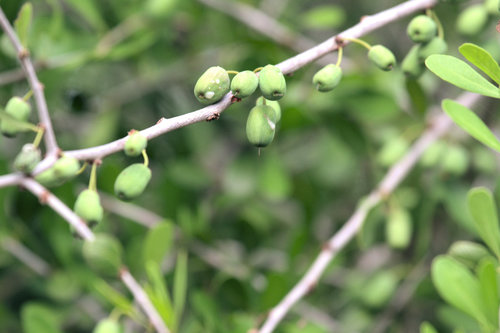
Sideroxylon celastrinum
Brownward plum, Camiche, Coma, Guamachito
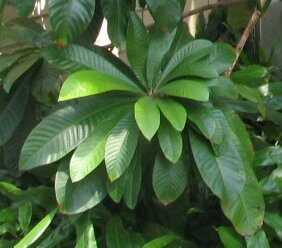
Sideroxylon eucoriaceum
Leathery jungleplum
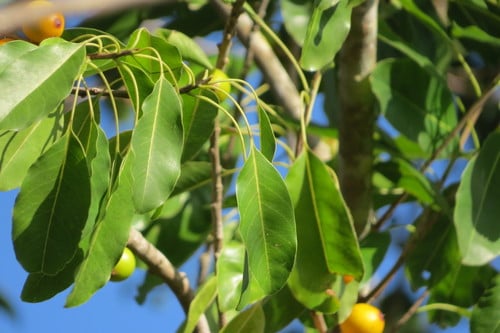
Sideroxylon foetidissimum
Mastic, Mastic jungleplum
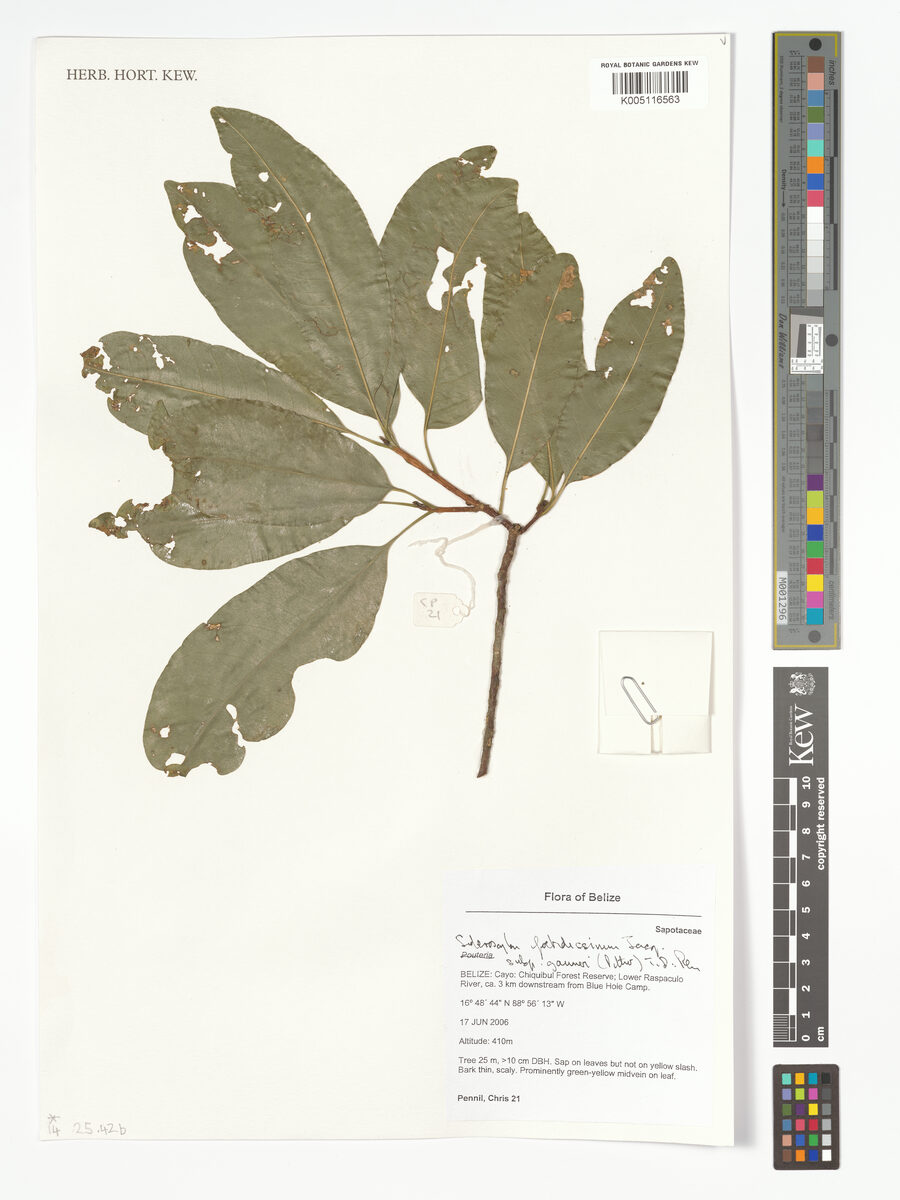
Sideroxylon foetidissimum subsp. gaumeri
Tortugo amarillo, False mastic
Sideroxylon inerme
Milkweed, White milkwood
Sideroxylon inerme subsp. diospyroides