Chrysophyllum prieurii
A. de Candolle
Abiurana
iNaturalist· cc-by-nc
(c) Nils Servientis - Bivouac Naturaliste, some rights reserved (CC BY-NC), uploaded by Nils Servientis - Bivouac Naturaliste
iNaturalist· cc-by-nc
(c) Nils Servientis - Bivouac Naturaliste, some rights reserved (CC BY-NC)
Summary
Source: WikipediaChrysophyllum prieurii is a tree in the family Sapotaceae, native to South America and Panama.
Description
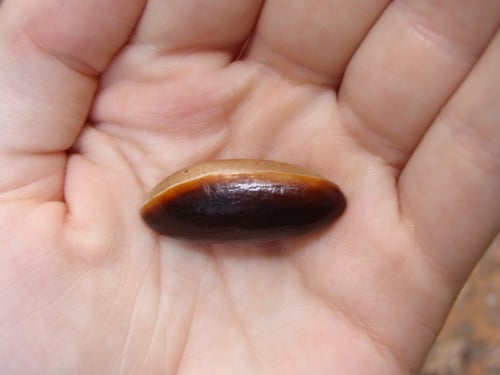
A tree. It grows 40 m tall. The trunk is 120 cm across. It has buttresses 2 m tall. Young shoots have rusty hairs. The leaves are clustered at the tips. They are in spiral. The leaves are 10-20 cm long by 4-8 cm wide. The flowers are in groups of 5-15. The fruit are 4-5 cm long. There can be 5 seeds.
Edible Uses
The fruit are eaten for their sweet taste.
Traditional Uses
The fruit have a sweet taste.
This uses section is brief — help expand it
Distribution
A tropical plant. It grows in non-flooded lowland rainforests often on sand.
Where It Grows
Brazil, Central America, Colombia, French Guiana, Guianas, Guyana, Panama, Peru, South America, Suriname, Venezuela,
Notes
There are about 80-150 Chrysophyllum species. They are mostly in tropical America. There are 44 species in tropical America.
Synonyms
Also Known As
Abiurana, Bolaquiro, Caimitillo negro, Carana, Cotoquinilla, Cuyuri, Leprieur starapple, Kwatabobi, Malobi, Mocambo, Nuoma, Palo de cuyure, Pepeboiti, Zolive
References (6)
- Grandtner, M. M. & Chevrette, J., 2013, Dictionary of Trees, Volume 2: South America: Nomenclature, Taxonomy and Ecology. Academic Press p 131
- Kermath, B. M., et al, 2014, Food Plants in the Americas: A survey of the domesticated, cultivated and wild plants used for Human food in North, Central and South America and the Caribbean. On line draft. p 226
- Lopez-Diago, D. & Garcia, N., 2021, Wild edible fruits of Colombia. Biota ColomBiana 22 (2) p 51
- Pennington, T.D., 1990, Sapotaceae in Flora Neotropica Monograph 52. New York Botanical Gardens. p 600
- Roa, J. A. G. & Boada, D. S. G., 2018, Fundación para el Fortalecimiento de la Fruticultura y Plantas Alimenticias no Convencionales en Colombia.
Show all 6 references Hide references
- van Roosmalen, M.G.M., 1985, Fruits of the Guianan Flora. Utrecht Univ. & Wageningen Univ. p 410 (As Prieurella prieurii)
More from Sapotaceae
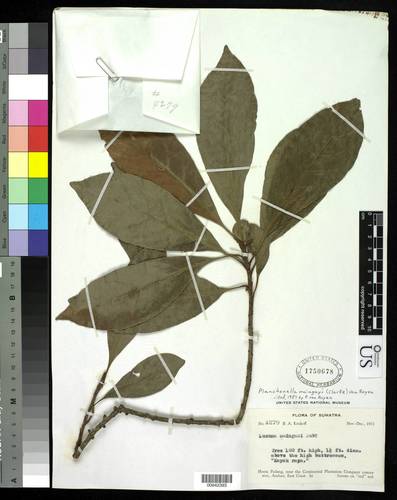
Planchonella maingayi
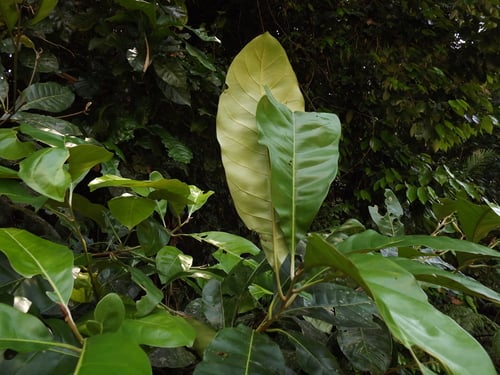
Planchonella myrsinodendron
Northern Yellow Boxwood, Yellow Teak
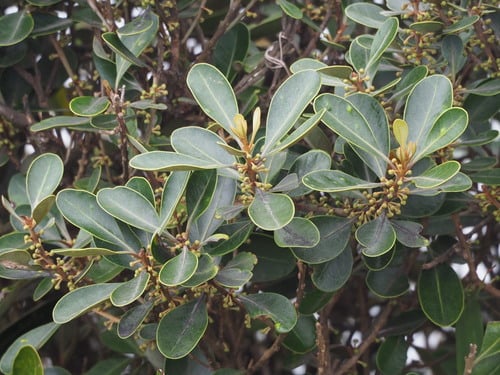
Planchonella obovata
Northern Yellow Boxwood, Black Ash, Yellow Teak
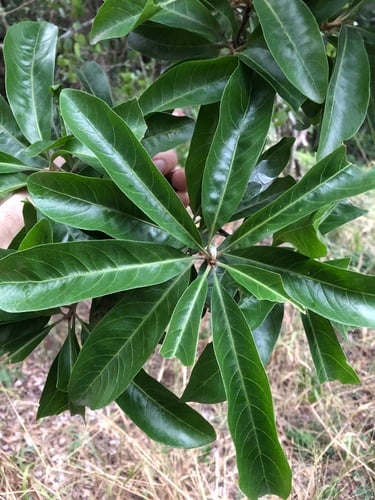
Planchonella pohlmaniana
Big Green Plum, Yellow Boxwood, Engraver’s Wood, Great green plum
Pouteria adolfi-friederici
Sosi
Pouteria adolfi-friederici subsp. australis