Crataegus wilsonii
Sarg.
wikimedia· cc-by
Wikimedia Commons - Willis, Sally
Summary
Source: WikipediaCrataegus wilsonii is a species of hawthorn native to the mountains of southwestern China at elevations of 900 to 3000 meters. It is an ornamental tree, intolerant of summer drought, that is rarely cultivated.
Description
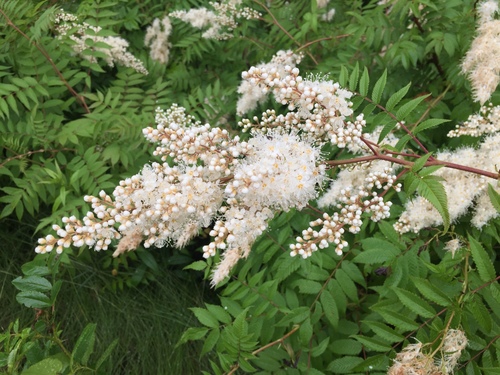
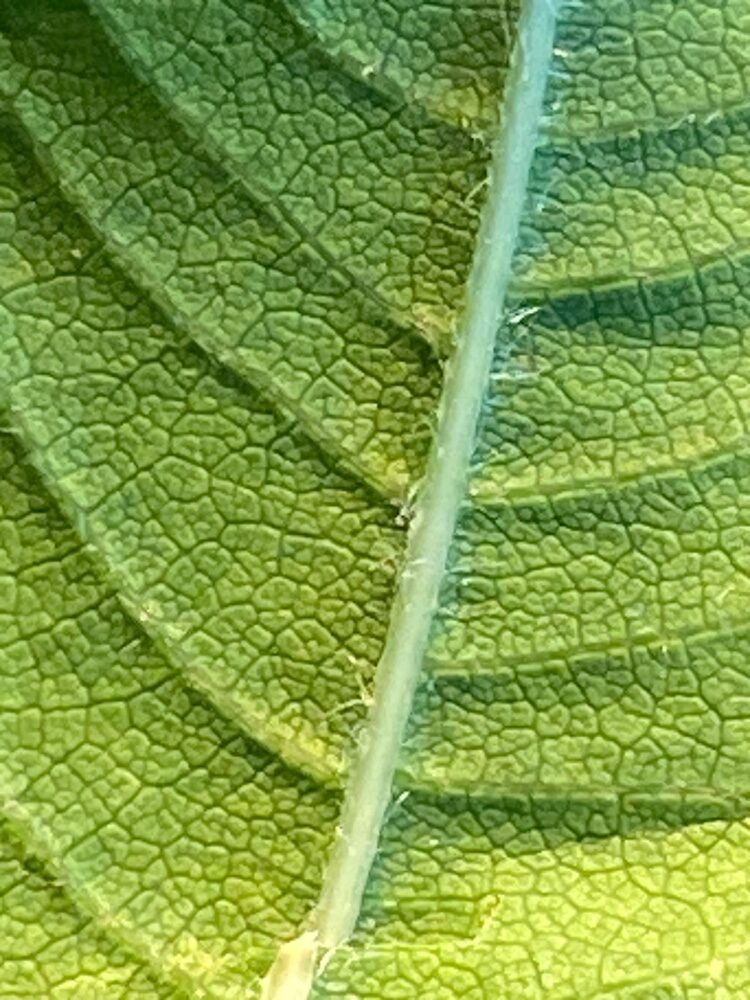
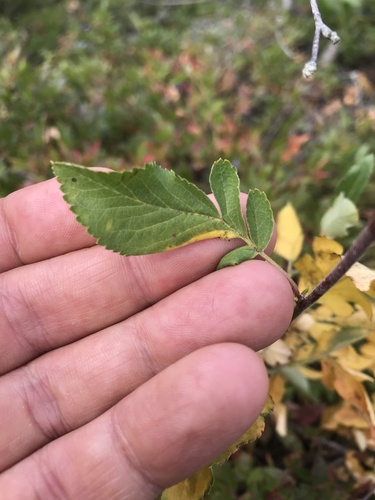
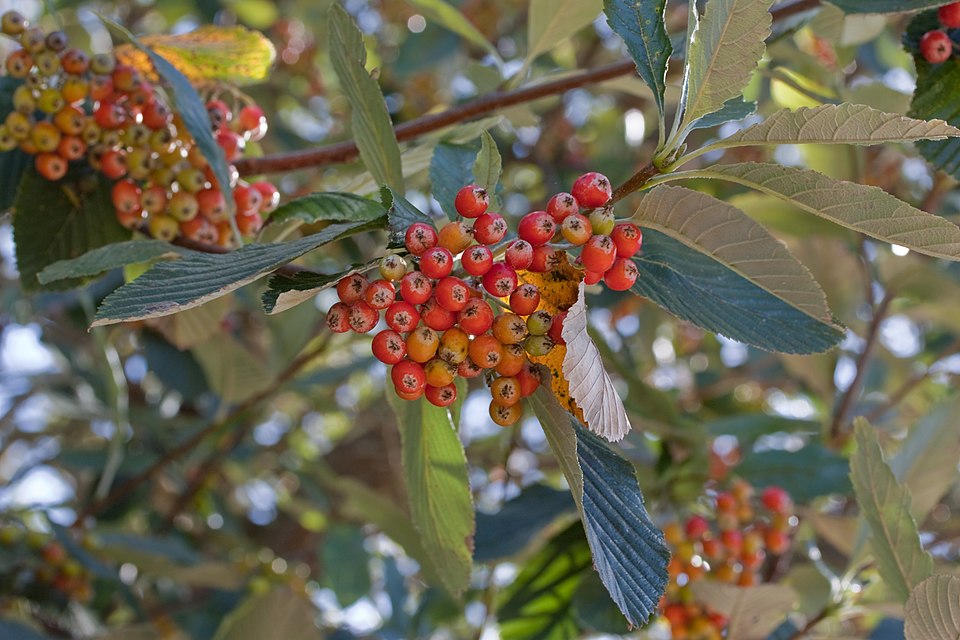
A small tree. It grows 7 m tall. It loses its leaves during the year. It is usually thorny with stout thorns 1-2.5 cm long. The leaves are oval and 4-7 cm long by 4-6 cm wide. They are slightly hairy along the mid-veins underneath. There are many flowers in a group and flowers are 3-4 cm across. They are white. The fruit is red to purple and 6-7 mm across.
Edible Uses
The fruit is edible.
Distribution
It is a temperate plant. In central and southern China it grows in dense shaded forests between 1,000-2,500 m above sea level. In Sichuan and Yunnan.
Where It Grows
Asia, China,
Production
In China it flowers in May and fruits in August to September.
Also Known As
Mian li
References (1)
- Kang, Y., et al, 2014, Wild food plants used by the Tibetans of Gongba Valley (Zouqu country, Gansu, China) Journal of Ethnobiology and Ethnomedicine 10:20