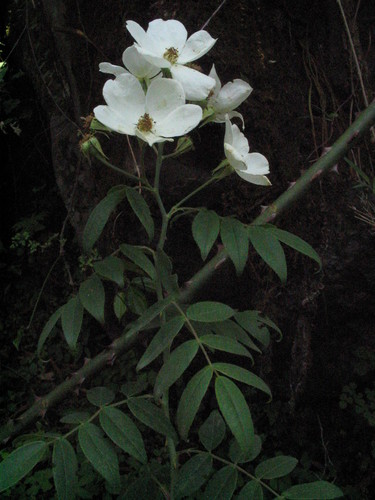
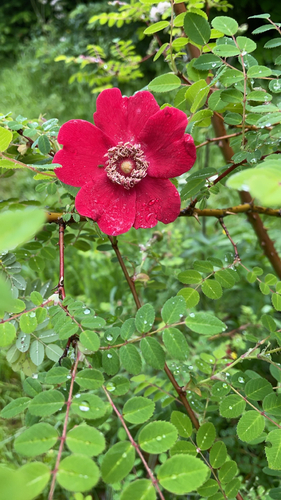
Photinia integrifolia
Lindl.
Himalayan chokeberry
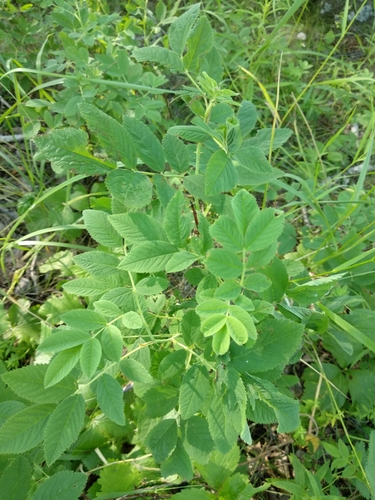
iNaturalist· cc-by-nc-sa
(c) Tony Rodd, some rights reserved (CC BY-NC-SA)
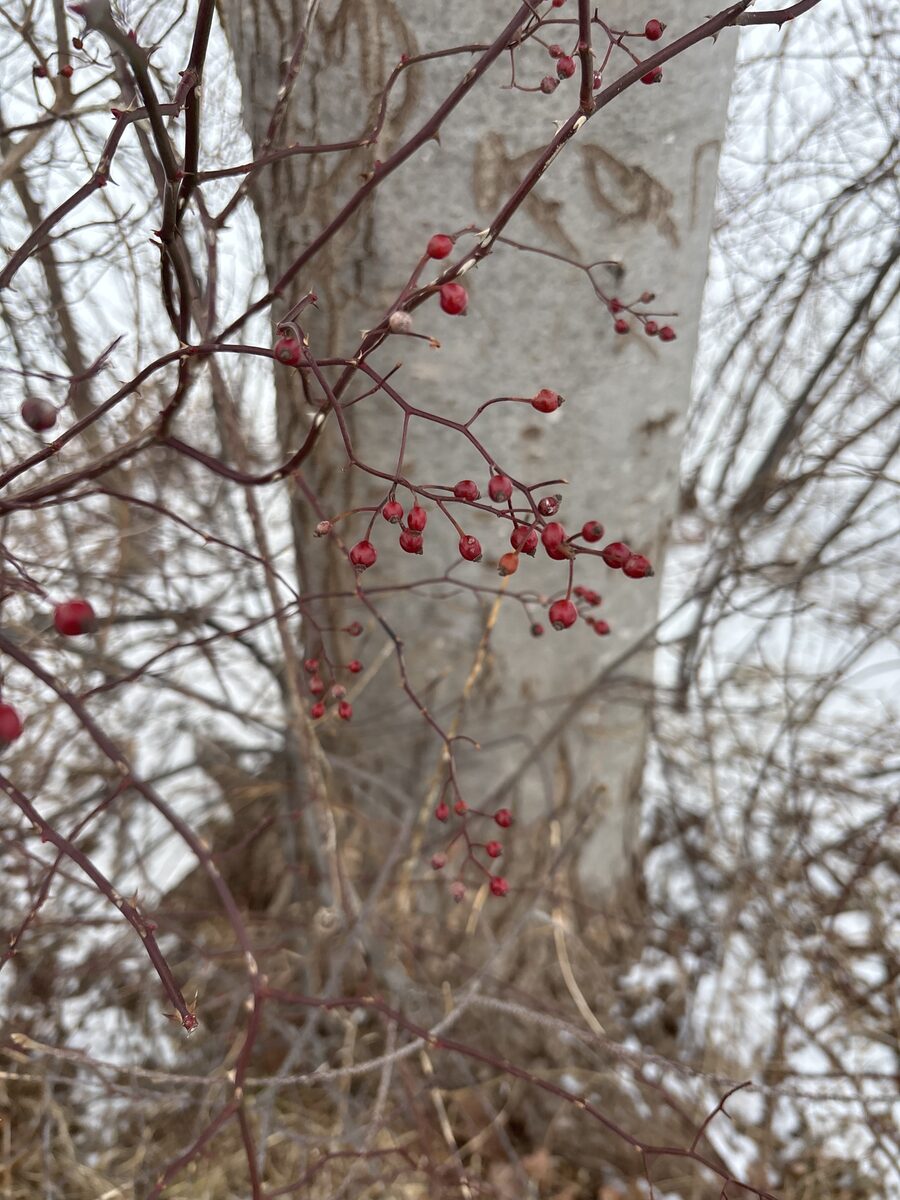
iNaturalist· cc-by-sa
(c) Paul Barker Hemings, some rights reserved (CC BY-SA)
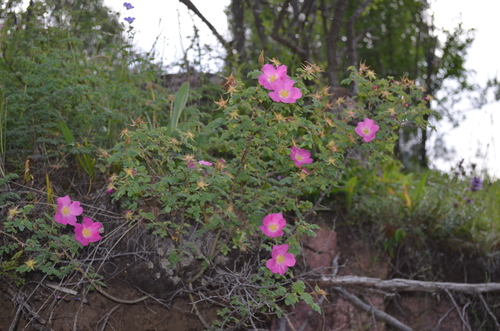
iNaturalist· cc-by-sa
(c) Paul Barker Hemings, some rights reserved (CC BY-SA)
Summary
Source: WikipediaPhotinia integrifolia is a species in the family Rosaceae, native to Asia.
Description
A small tree. It grows 5-7 m tall. It keeps its leaves throughout the year. The leaves are oblong to sword shaped and 6-12 cm long by 3-5 cm wide. There are any flowers in a group. The petals are white or yellowish. The fruit are a flattened round shape and purplish red. They are 5-6 mm across.
Edible Uses
The fruits are edible.
Distribution
It is a tropical and subtropical plant. It grows in evergreen forests in southern China between 1,200-2,700 m above sea level. In Vietnam it grows at 1,600 m above sea level. In Yunnan.
Where It Grows
Asia, Bhutan, China, Himalayas, India, Indochina, Indonesia, Laos, Myanmar, Nepal, Northeastern India, SE Asia, Sikkim, Thailand, Tibet, Vietnam,
Cultivation
Plants can be grown by seeds and cuttings.
Production
In southern China plants flower in May to June and fruit in September to October.
Synonyms
Also Known As
Lihung-ahi, Perdu beri natal, Du la-nguyen
References (3)
- Flora of China @ efloras.org Volume 9
- Gangwar, A. K. & Ramakrishnan, P. S., 1990, Ethnobotanical Notes on Some Tribes of Arunachal Pradesh, Northeastern India. Economic Botany, Vol. 44, No. 1 pp. 94-105
- Sukarya, D. G., (Ed.) 2013, 3,500 Plant Species of the Botanic Gardens of Indonesia. LIPI p 687