Tithonia diversifolia
(Hemsl.) A. Gray
Wild sunflower, Giant Mexican sunflower
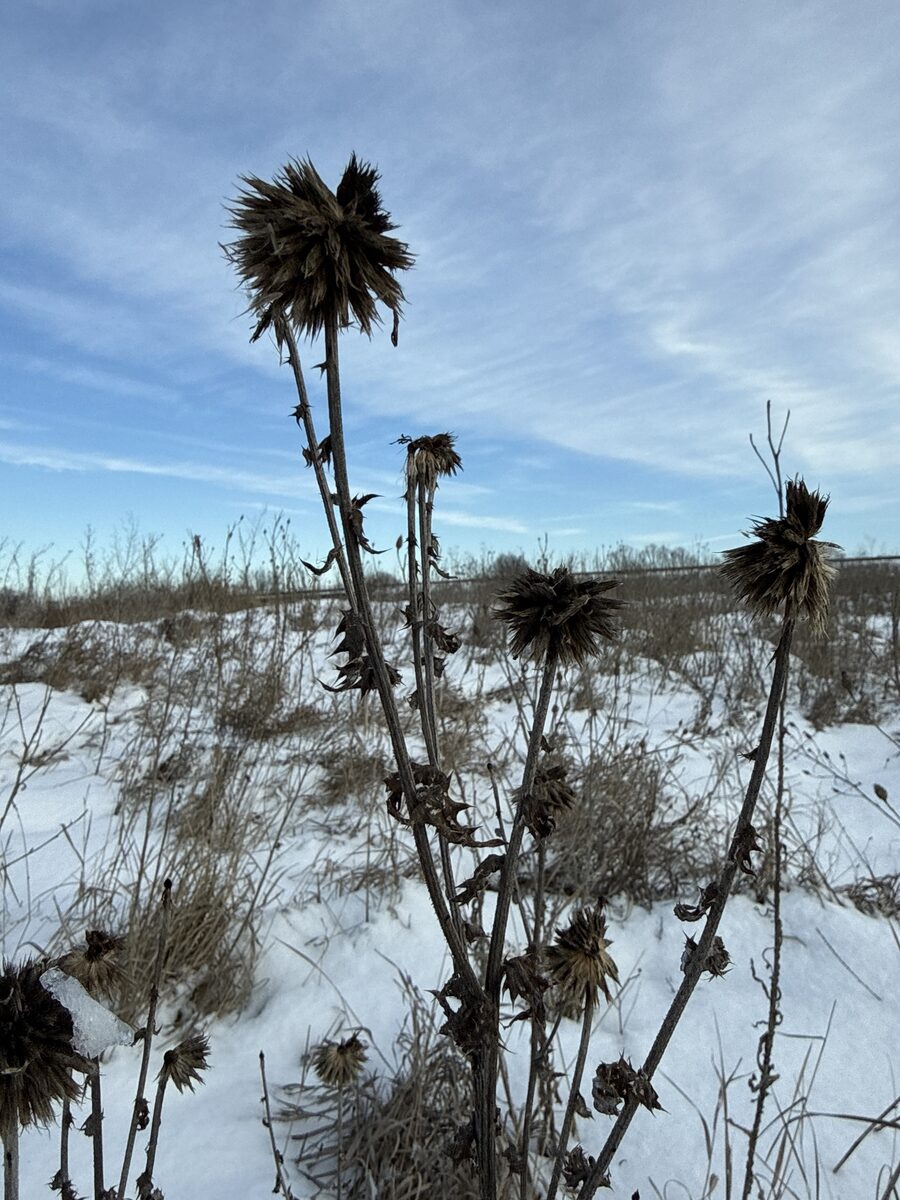
iNaturalist· cc-by-nc
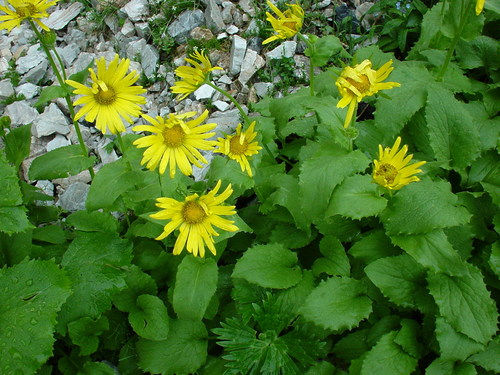
(c) Libby Megna, some rights reserved (CC BY-NC), uploaded by Libby Megna
iNaturalist· cc-by-nc
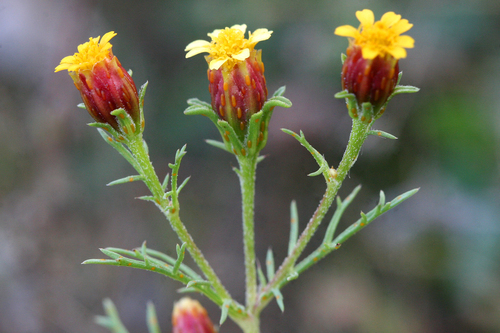
(c) abelardomendesjr, some rights reserved (CC BY-NC), uploaded by abelardomendesjr
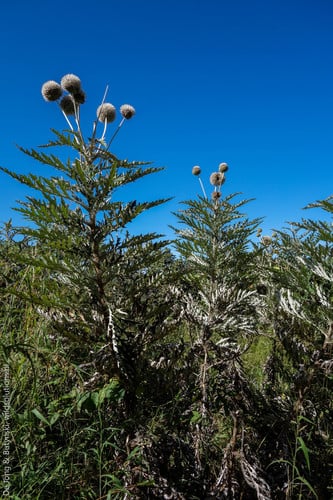
iNaturalist· cc-by-nc
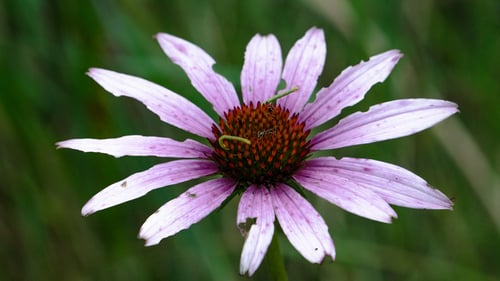
(c) Ashley M Bradford, some rights reserved (CC BY-NC), uploaded by Ashley M Bradford
Summary
Source: WikipediaTithonia diversifolia is a species of flowering plant in the family Asteraceae that is commonly known as the tree marigold, Mexican tournesol, Mexican sunflower, Japanese sunflower or Nitobe chrysanthemum. It is native to Mexico and Central America but has a nearly pantropical distribution as an introduced species. Depending on the area they may be either annual or perennial. It has shown great potential in raising the soil fertility in soils depleted in nutrients. Originating in Mexico; research has shown its potential in benefiting poor African farmers. This plant is a weed that grows quickly and has become an option as an affordable alternative to expensive synthetic fertilizers. It has shown to increase plant yields and the availability of soil nutrients such as nitrogen (N), phosphorus (P), and potassium (K).
Description
An annual herb. It grows 1-3 m tall. The stems are stout and rough. The leaves are alternate and oval. They have teeth around the edge. The lowest leaves can be heart shaped. The leaves are 10-25 cm long by 5 cm wide. They are hairy. The flower is large and occurs singly. It can be 20 cm across. It is yellow. The fruit is 4 angled and 1 cm long by 4 mm wide.
Edible Uses
No edible uses are known for this plant.
Traditional Uses
The seeds are eaten roasted. They can be processed into cooking oil. The disk of the flower head can be eaten.
This uses section is brief — help expand it
Medicinal Uses
A methanol extract of the dried leaves reduced pain levels and inhibited oedema and granuloma, supporting the plant's traditional use for painful inflammatory conditions. The leaves contain sesquiterpene lactones, including tagitinin, which have insecticidal properties. The leaves have shown antimicrobial activity against both gram-positive and gram-negative bacteria, suggesting usefulness in treating gastrointestinal infections, skin diseases, and urinary tract infections. An 80% ethanol leaf extract reduced blood glucose levels 3 weeks after a single oral dose, also significantly lowering plasma insulin and decreasing blood glucose in an insulin tolerance test, suggesting potential for treating type 2 diabetes. Aqueous and methanolic plant extracts cleared 50% and 74% of malarial parasites respectively, compared to 100% for chloroquine; effects were strongest when administered at the onset of infection, indicating time-dependency. A 70% methanol extract showed dose- and time-dependent toxic effects on the kidney and liver — although reversible, this raises concern about safety when the plant is used against malaria. The leaves contain a bitter essential oil. A decoction of the leaves is sometimes used to treat malaria. An infusion of the leaves treats constipation, stomach pains, indigestion, sore throat, and liver pains — leaves should be ground into small pieces, mixed with water, and drunk. Leaf extracts are applied externally to treat wounds and haematomas.
Distribution
It is a tropical plant. It grows between 550-1,950 m above sea level. In the Philippines it occurs along roadsides at higher elevations. In Yunnan.
Where It Grows
Africa, Angola, Asia, Australia, Caribbean, Central Africa, Central America*, China, Congo DR, Dominica, Dominican Republic, East Timor, Hawaii, India, Indonesia, Maldives, Marquesas, Mexico*, Myanmar, Nepal, Nigeria, Niue, North America, Pacific, Philippines, Sao Tome and Principe, SE Asia, Sri Lanka, Taiwan, Timor-Leste, USA, West Indies,
Cultivation
It can be grown by seeds or from rhizomes. It can be grown from cuttings.
Propagation
Sow seed in situ.
Other Uses
The plant improves soil and has a positive effect on crop yields — yields of maize, kale, French beans, tomatoes, and Napier grass all increased when grown alongside it. For fertilization it is used as a mulch, spread on top of or buried beneath the soil. It can restore phosphorus to the soil in high amounts, with a composition of 1.76% N, 0.82% P, and 3.92% K — all three values exceed those in cattle manure, while P is surpassed only by poultry and swine manure. It is also planted as a living fence. A bitter essential oil extracted from the leaves has repellent activity against the mosquito Anopheles gambiae and a smaller but significant action against other mosquito species. The stems are used as fuel.
Synonyms
Also Known As
Japanese sunflower, Kade putali phul, Kembang bulan, Marigold shrub, Malulu, Malulua, Matalaa, Negya-ni, Tree marigold
References (6)
- Latham, P., 2004, Useful Plants of Bas-Congo province. Salvation Army & DFID p 281
- Lautenschläger, T., et al, 2018, First large-scale ethnobotanical survey in the province of Uíge, northern Angola. Journal of Ethnobiology and Ethnomedicine (2018) 14:51
- Polinag, M. A., 2003, Food from the Wilderness. Department of Environment and Natural Resources. Laguna.
- Sujanapal, P., & Sankaran, K. V., 2016, Common Plants of Maldives. FAO & Kerala FRI, p 273
- Sukarya, D. G., (Ed.) 2013, 3,500 Plant Species of the Botanic Gardens of Indonesia. LIPI p 728
Show all 6 references Hide references
- World Checklist of Useful Plant Species 2020. Royal Botanic Gardens, Kew