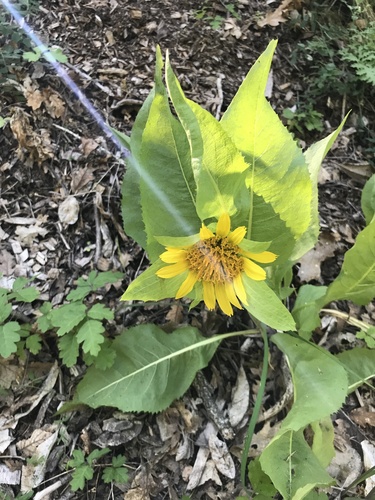
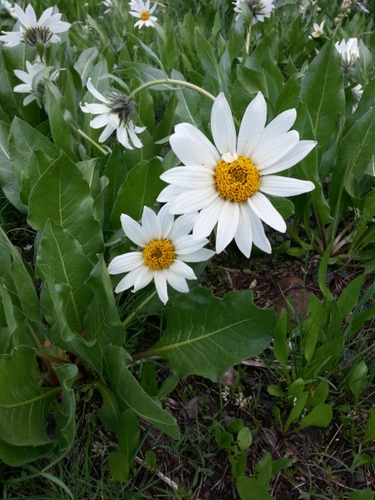
Carthamus pinnatus
Desf.
iNaturalist· cc-by
(c) Karim Haddad, some rights reserved (CC BY), uploaded by Karim Haddad
iNaturalist· cc-by-nc
(c) Saidi Boubakr, some rights reserved (CC BY-NC)
iNaturalist· cc-by-nc
(c) Saidi Boubakr, some rights reserved (CC BY-NC)
Description
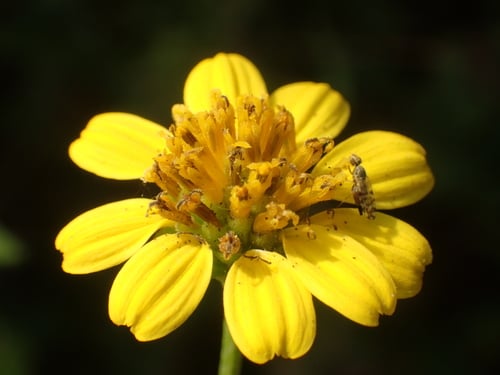
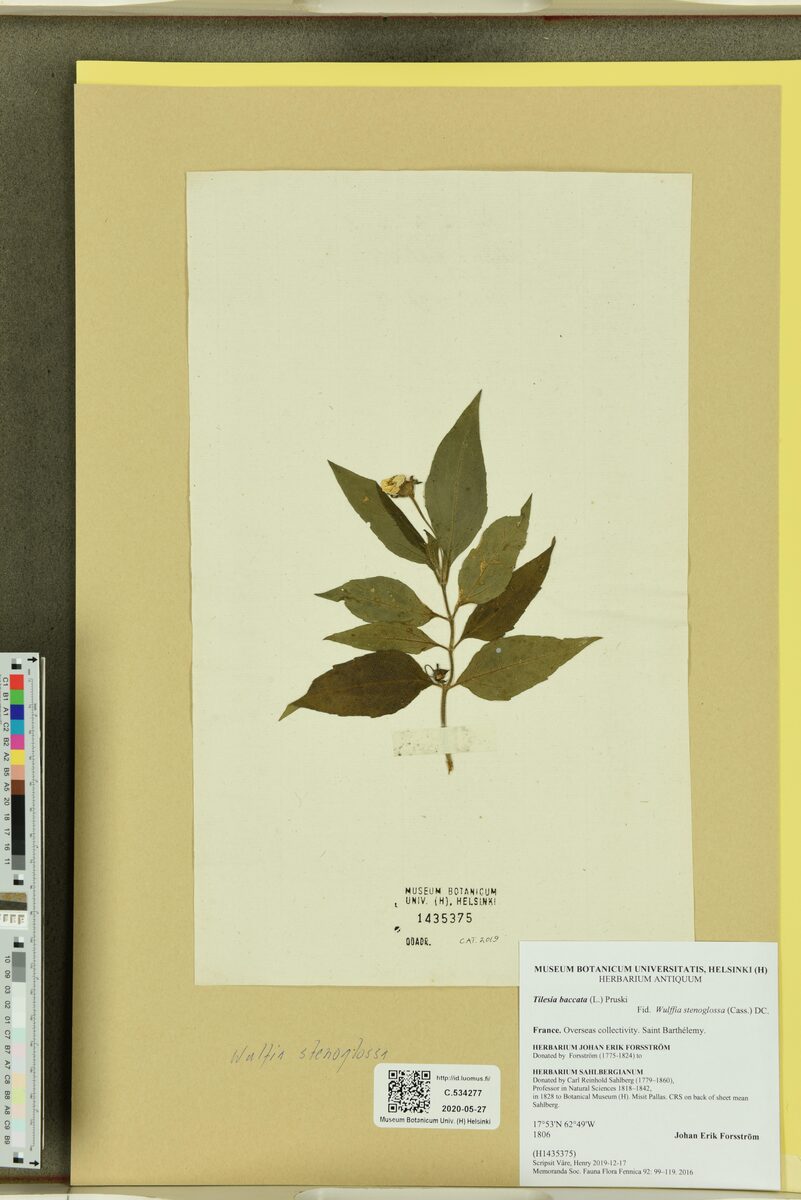
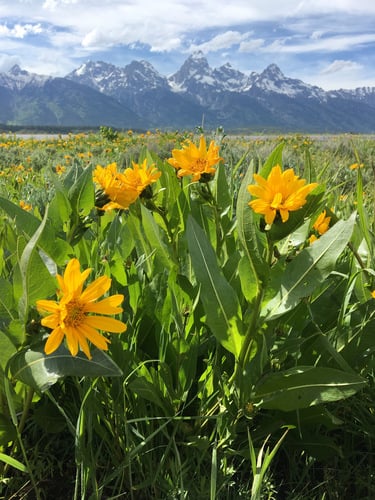
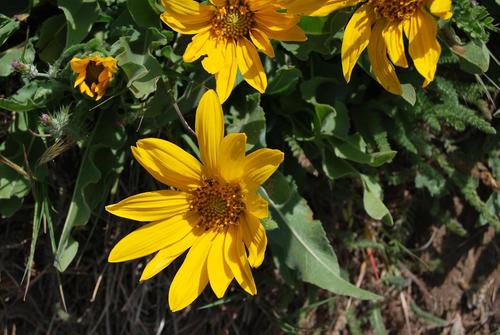
A thistle like plant that grows from year to year. The leaves occur in a ring. They are blue-green and divided into leaflets along the stalk. They have spiny tips. There is a single flower-head without a stem. The bracts on the outside have spines at the tip. The small flowers are bluish or mauve.
Edible Uses
The flower heads are boiled in salty water or fried, and the above-ground parts are boiled with batter or with eggs.
Traditional Uses
The above ground parts are boiled with batter or with eggs. The flower head is boiled in salty water or fried.
This uses section is brief — help expand it
Distribution
It is a Mediterranean climate plant. It suits hardiness zones 7-9.
Where It Grows
Africa, Algeria, Australia, Europe, Italy, Mediterranean, North Africa, Sicily, Spain, Tunisia,
Notes
There are about 20-29 Carduncellus species. They occur in the Mediterranean region.
Synonyms
Also Known As
Carduncellu, Grain jday
References (7)
- Ben Ismail, H., 2013, Edible Wild Vegetables Used in North West of Tunisia. PARIPEX - Indian Journal of Reearch 2(9) :219-221 (As Carduncellus pinnatus)
- Cundall, P., (ed.), 2004, Gardening Australia: flora: the gardener's bible. ABC Books. p 329 (As Carduncellus pinnatus var. acaulis)
- Geraci, A., et al, 2018, The wild taxa utilized as vegetables in Sicily (Italy): a traditional component of the Mediterranean diet. Journal of Ethnobiology and Ethnomedicine (2018) 14:14
- Jardin, C., 1970, List of Foods Used In Africa, FAO Nutrition Information Document Series No 2.p 64 (As Carduncellus pinnatus var. acaulis)
- Lentini, F. and Venza, F., 2007, Wild food plants of popular use in Sicily. J Ethnobiol Ethnomedicine. 3: 15 (As Carduncellus pinnatus var. acaulis)
Show all 7 references Hide references
- Licata, M., et al, 2016, A survey of wild plant species for food use in Sicily (Italy) – results of a 3-year study in four Regional Parks. Journal of Ethnobiology and Ethnomedicine 12:12
- Pasta, S., et al, 2020, An Updated Checklist of the Sicilian Native Edible Plants: Preserving the Traditional Ecological Knowledge of Century-Old Agro-Pastoral Landscapes. Frontiers in Plant Science. Volume 11|Article 388