Chrysanthemum indicum
L.
Wild Chrysanthemum, Mother chrysanthemum
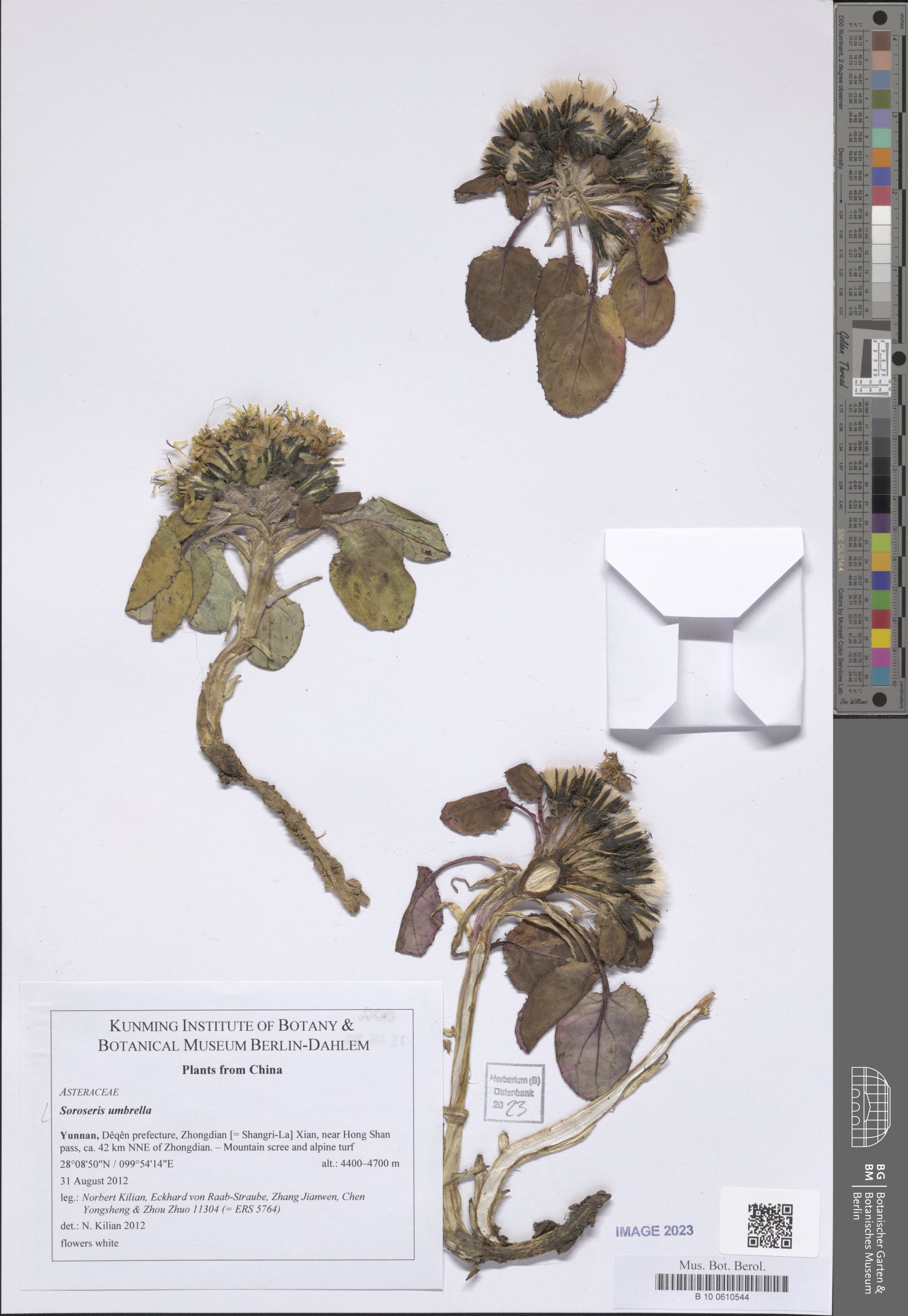
iNaturalist· cc-by-nc
(c) onidiras-iNaturalist, some rights reserved (CC BY-NC), uploaded by onidiras-iNaturalist
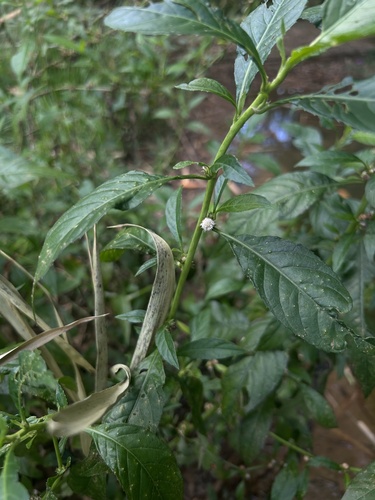
iNaturalist· cc-by-nc
(c) aster_lin, some rights reserved (CC BY-NC), uploaded by aster_lin
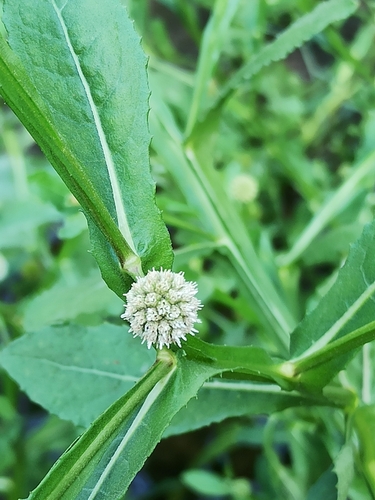
iNaturalist· cc-by-nc
(c) 艸目伊, some rights reserved (CC BY-NC)
Summary
Source: WikipediaChrysanthemum indicum is a flowering plant commonly called Indian chrysanthemum, within the family Asteraceae and genus Chrysanthemum.
Description
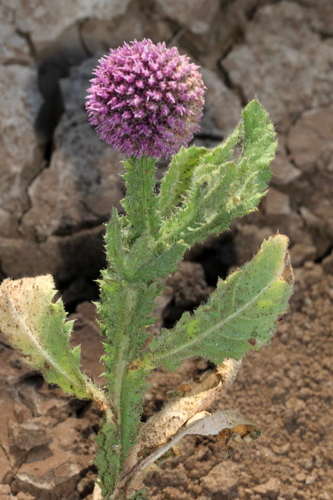
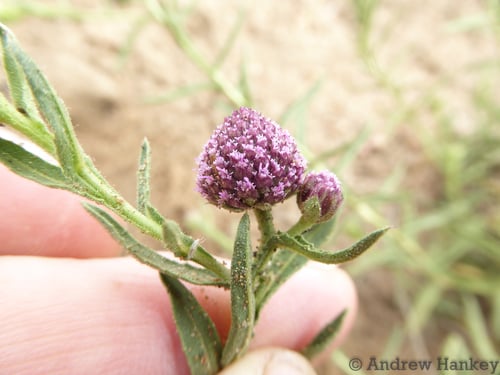
A herb which keeps growing from year to year. It grows 25-100 cm tall. It forms rhizomes or stolons. The leaves are narrowly oval and 3-7 cm long by 2-4 cm wide. They are pale green on both sides. The leaves have lobes. It produces clusters of single yellow flowers. These are 2.5 cm across.
Edible Uses
The flower heads are pickled in vinegar. The flowers can be used to make drinks such as chrysanthemum tea, and the young leaves can also be steeped or cooked. The petals can also be blanched for use in salads and other dishes.
Traditional Uses
The roots and leaves are used as food. The young leaves are eaten fresh or boiled. The flower heads are pickled in vinegar. The flower heads are used for tea. The seeds are edible.
Medicinal Uses
The whole plant is antiphlogistic, blood tonic, depurative, febrifuge and vulnerary. It is used for dissipating heat, detoxifying, and dissipating blood stasis. It is used in China to treat eye ailments. In conjunction with black pepper it is used in the treatment of gonorrhoea. The leaves are depurative. They are used in China in the treatment of migraine. The flowers are antibacterial, aperient, bitter, hypotensive, stomachic and vasodilator. A decoction is used in the treatment of conditions such as photopsia, vertigo, fever, headache, ophthalmia, dacryolithiasis, xerophthalmia, amblyopia and hypertension They have a rejuvenating effect when used over a long period of time. The flowers are used externally, as a poultice and also as a wash, in the treatment of furuncle, scrofula, deep-rooted boils, inflammation of the throat, eyes and cervix, eczema, itchiness of the skin. The flowers contain the glycoside chrysanthemin that yields glucose and cyanidin on hydrolysis, together with stachydrine and an essential oil. The flowers have been shown to have an antibacterial action, inhibiting the growth of Staphylococcus, E. Coli, Streptococcus, C. Diphtheriae, Bacillus dysenteriae. An essential oil obtained from the plant contains chrysanthenone, this is active on the brain centre affected by Parkinson's disease.
Distribution
It is a tropical plant. It grows in grasslands on mountain slopes, in wet places along rivers and in salty soils near sea shores between 100-2,900 m above sea level. In Sichuan and Yunnan.
Where It Grows
Africa, Asia, Bhutan, Central Asia, China, Dominican Republic, Himalayas, India, Indochina, Japan, Korea, Laos, Nepal, Sao Tome and Principe, SE Asia, Russia, Taiwan, Tajikistan, Uzbekistan, West Indies,
Cultivation
Chrysanthemum indicum is a plant of the temperate zone and a parent of the cultivated Chrysanthemums. Although temperate in origin, it can be grown successfully in tropical areas and is often cultivated in southeast Asia. Plants can tolerate temperatures down to about -10°c. Succeeds in most well-drained fertile soils in a sunny position. This species is one of the main parents of the florists’ chrysanthemum, Chrysanthemum morifolium. When bruised, the foliage has a pungent refreshing fragrance that is somewhat lemon-like and reminiscent of chamomile.
Propagation
Seed - sow in a container and only just cover the seed. It usually germinates in 10 - 18 days at 15°c but if it does not germinate within 4 weeks then try chilling the seed for 3 weeks in the salad compartment of a fridge. When they are large enough to handle, prick the seedlings out into individual pots and plant them out when large enough. Division. Larger clumps can be replanted direct into their permanent positions, though it is best to pot up smaller clumps and grow them on until they are rooting well.
Other Uses
The seed contains about 16% of a semi-drying oil, but no information is given as to its uses. The seed is rather small, commercial extraction is probably not viable.
Notes
There are about 20-40 Chrysanthemum species and many cultivated varieties.
Synonyms
Also Known As
Akkarakkaram, Bagaur, Chamunti, Gendi, Godawari, Guldaudi, Guledawoodi, Sevanti, Shevati, Ye Ju
References (9)
- Altschul, S.V.R., 1973, Drugs and Foods from Little-known Plants. Notes in Harvard University Herbaria. Harvard Univ. Press. Massachusetts. no. 4993
- Ambasta, S.P. (Ed.), 2000, The Useful Plants of India. CSIR India. p 122
- Facciola, S., 1998, Cornucopia 2: a Source Book of Edible Plants. Kampong Publications, p 36
- Liu, Yi-tao, & Long, Chun-Lin, 2002, Studies on Edible Flowers Consumed by Ethnic Groups in Yunnan. Acta Botanica Yunnanica. 24(1):41-56
- Martin, F.W. & Ruberte, R.M., 1979, Edible Leaves of the Tropics. Antillian College Press, Mayaguez, Puerto Rico. p 184
Show all 9 references Hide references
- Sp. pl. 2:889. 1753
- Tanaka,
- Valder, P., 1999, The Garden Plants of China. Florilegium. p 238
- Zeng, Y., et al, 2014, Evaluation of antioxidant activities of extracts from 19 Chinese edible flowers. SpringerPlus 2014, 3:315