Salacia oblonga
Wall.
iNaturalist· cc-by-nc
(c) Rock Outcrops Network VBR test, some rights reserved (CC BY-NC), uploaded by Rock Outcrops Network VBR test
Summary
Source: WikipediaSalacia oblonga, known as oblong leaf salacia in English, ekanayaka in Kannada, ponkorandi in Malayalam, ponkoranti in Tamil, and ekanayake in Tulu, is a climbing shrub that tends to strangle other plants. It is native to India and Sri Lanka.
Description
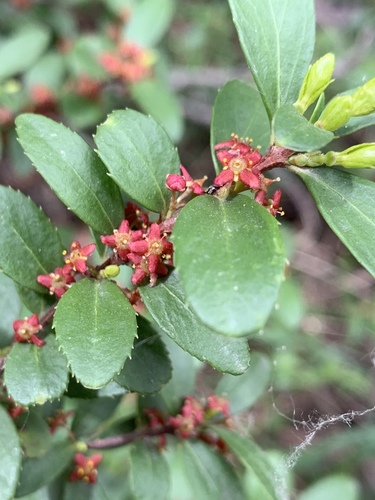
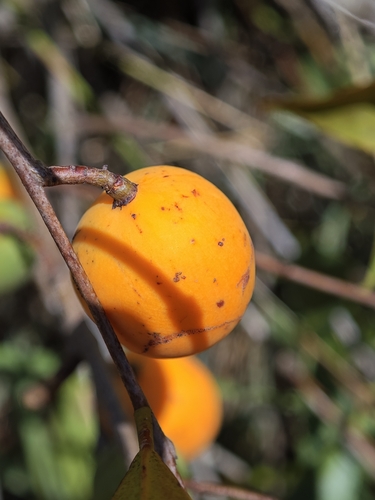
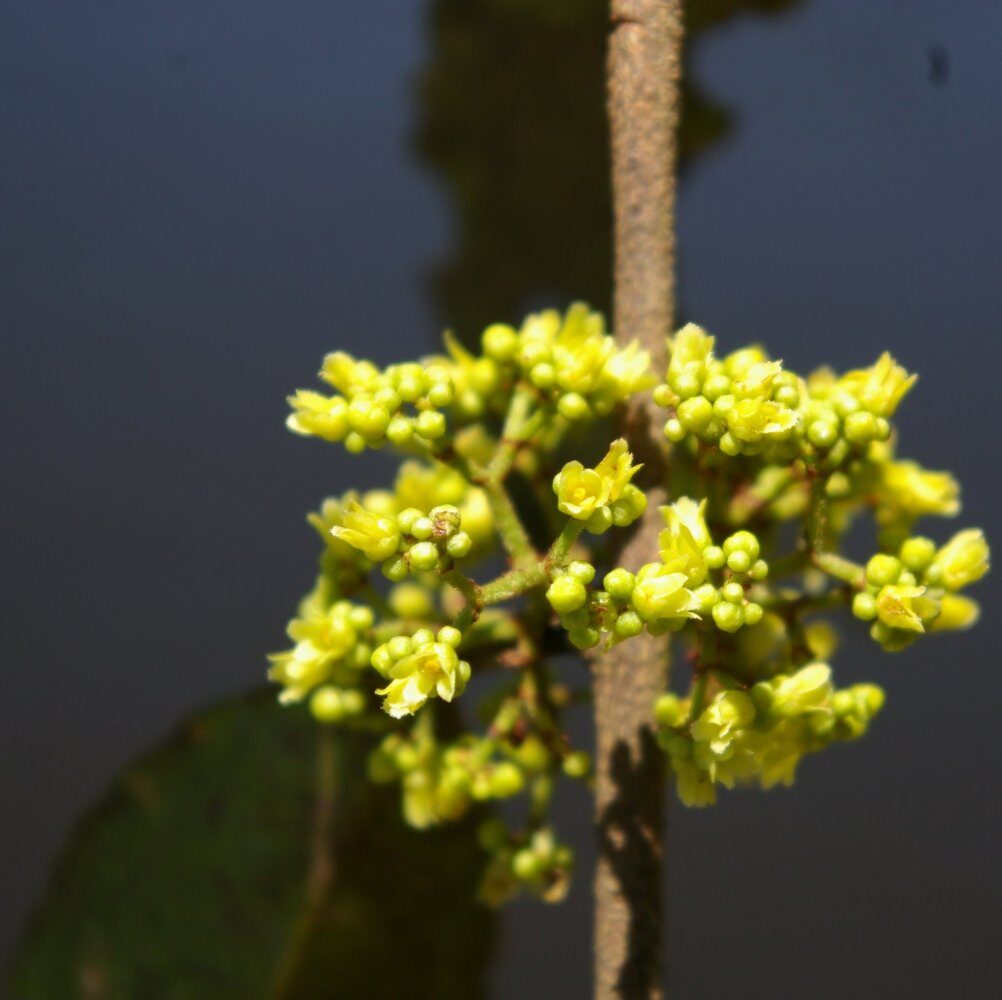
A straggling shrub. The leaves are oval to sword shaped. The flowers are greenish-yellow. The fruit are round and 3 cm across. There are 1-8 seeds.
Edible Uses
The green fruit are eaten.
Traditional Uses
The green fruit are eaten.
This uses section is brief — help expand it
Medicinal Uses
Oblong leaf salacia is described as a treatment for diabetes in the traditional medical systems of India and Sri Lanka. The closely related species Salacia reticulata and Salacia chinesis are also used for people with diabetes.
Distribution
It is a tropical plant
Where It Grows
Asia, China, India, Indonesia, Malaysia, SE Asia, Sri Lanka, Vietnam,
Notes
An unresolved name in The Plant List. It is used in local medicine to treat diabetes.
Synonyms
Also Known As
Chundan, Koranti, Pitika, Ponkoranti, Saptrangi, Vairi
References (1)
- Reis, S. V. and Lipp, F. L., 1982, New Plant Sources for Drugs and Foods from the New York Botanical Garden herbarium. Harvard. p 167