Hippocratea volubilis
L.
Medicine vine
iNaturalist· cc-by
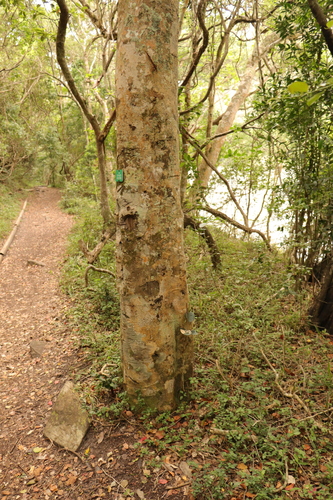
(c) Sam Kieschnick, some rights reserved (CC BY), uploaded by Sam Kieschnick
iNaturalist· cc-by
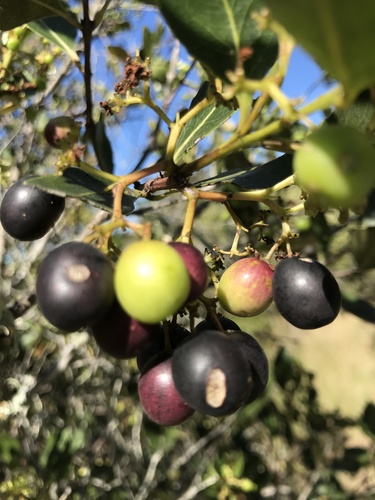
(c) Jay Horn, some rights reserved (CC BY), uploaded by Jay Horn
iNaturalist· cc-by
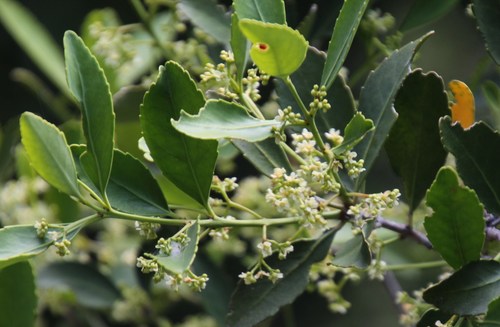
(c) Jay Horn, some rights reserved (CC BY), uploaded by Jay Horn
Description
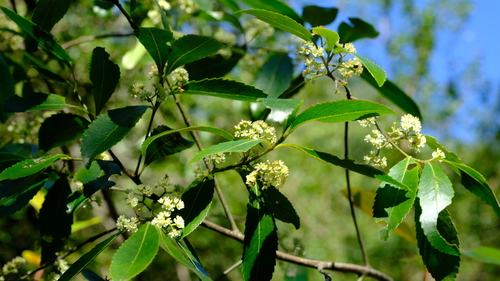
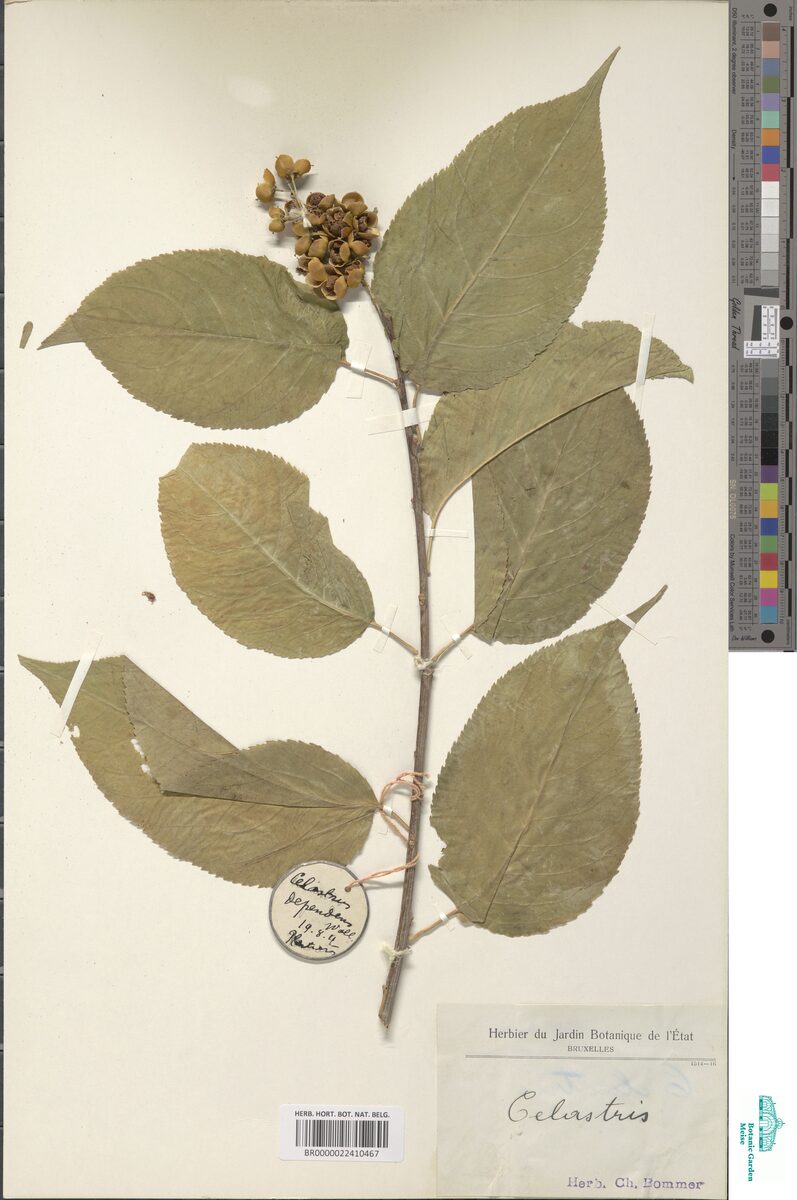
A liana or creeper. It can be 20 m long. The leaves are opposite. The flowers are in groups in the axils of leaves. There are usually many flowers in groups 3-12 cm long. These are branched. The fruit is a capsule divided into 3 sections that are spread out. These are attached to a swollen stalk. The capsules are 4.5 cm long by 2.5 cm wide and 0.3 cm thick. There are 5-6 seeds. The seeds are 2 cm long by 0.5 cm wide.
Edible Uses
The seeds are eaten and also processed to extract oil. The fruit is an edible portion.
Traditional Uses
The seeds are eaten. The seeds are used to extract oil.
This uses section is brief — help expand it
Medicinal Uses
No medicinal uses documented in available data.
Known Hazards
No hazards documented in available data.
Distribution
A tropical plant. It grows in the rainforest especially along the edges of rivers. In Argentina it grows from sea level to 1,800 m above sea level.
Where It Grows
Argentina, Bolivia, Brazil, Central America*, Colombia, Cuba, Dominican Republic, Ecuador, Guiana, Guianas, Guyana, Haiti, Jamaica, Mexico, Paraguay, Puerto Rico, North America, South America*, Suriname, Venezuela, West Indies,
Notes
There are about 100 Hippocratea species. They grow in the tropics.
Synonyms
Also Known As
Canoa waska, Charapillo, Fava-de-arara, Omentakam, Omentakayebo, Ominika, Ominikame, Tecolote
References (10)
- Flora of Guianas
- Kermath, B. M., et al, 2014, Food Plants in the Americas: A survey of the domesticated, cultivated and wild plants used for Human food in North, Central and South America and the Caribbean. On line draft. p 419
- Martin, F. W., et al, 1987, Perennial Edible Fruits of the Tropics. USDA Handbook 642 p 96
- Piedra-Malagón, E. M. et al, 2022, Edible native plants of the Gulf of Mexico Province. Biodiversity Data Journal 10: e80565 p 17
- Plants of Haiti Smithsonian Institute http://botany.si.edu
Show all 10 references Hide references
- Roa, J. A. G. & Boada, D. S. G., 2018, Fundación para el Fortalecimiento de la Fruticultura y Plantas Alimenticias no Convencionales en Colombia.
- Smith, N., Mori, S.A., et al, 2004, Flowering Plants of the Neotropics. Princeton. p 184
- Torre, de la, L., et al, 2008, Enciclopedia de las Plantas Útiles del Ecuador. Herbario QCA. Pontificia Universidad Católica del Ecuador. p 380
- van Roosmalen, M.G.M., 1985, Fruits of the Guianan Flora. Utrecht Univ. & Wageningen Univ. p 78
- www.colecionandofrutas.org