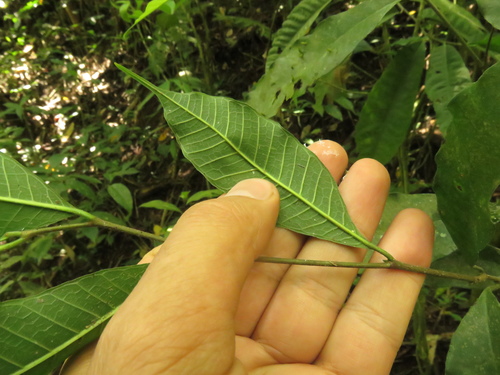
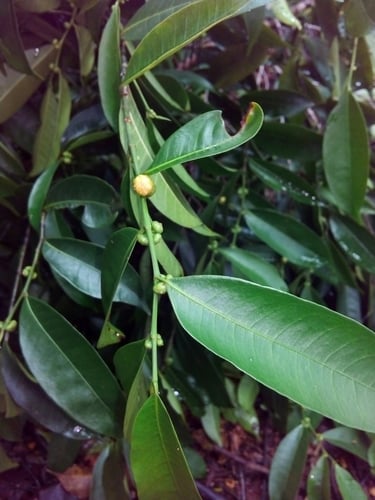
Perebea mollis
(Poepp. & Endl.) Huber
Soft perebea
Moraceae Edible: Fruit
gbif· cc-by-nc
C. Dennis : Field Museum of Natural History - Botany Department
Description
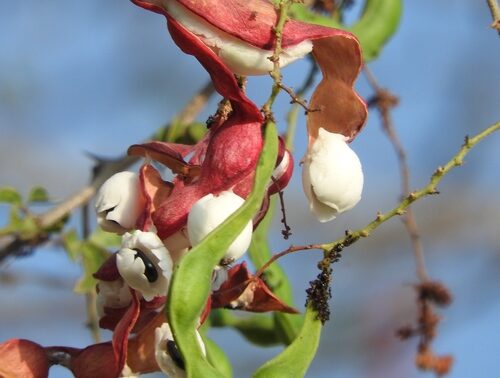
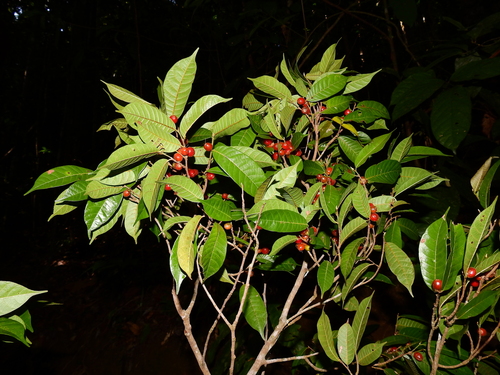
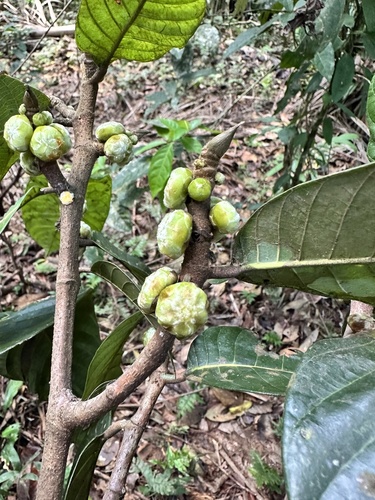
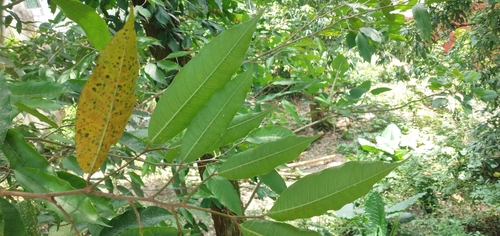
Perebea mollis, known as Soft perebea, is a tropical tree in the Moraceae family that produces red fruit.
This description is brief — help expand it
Edible Uses
The fruit is eaten.
Distribution
It is a tropical plant.
Where It Grows
Amazon, Bolivia, Brazil, Central America, Colombia, Costa Rica, Ecuador, French Guiana, Peru, South America, Suriname,
Synonyms
Noyera mollis (Poepp. & Endl.) DuckeOlmedia mollis Poepp. & Endl.Perebea lecointei HuberPerebea mollis subsp. mollisPerebea paraensis Huber
Also Known As
Bataka, Bibosi, Caucho, Cauchorana, Chimicua, Coyo moro, Moratinga, Pama, Pama-caucho, Pama-de-onca, Patai perro, Patamichi, Puma maqui hualis, Sacha arbillo, Sacha paparu, Tareka'y, Tuturi'ywa, Yawaa nawe
References (8)
- Grandtner, M. M. & Chevrette, J., 2013, Dictionary of Trees, Volume 2: South America: Nomenclature, Taxonomy and Ecology. Academic Press p 489
- Kermath, B. M., et al, 2014, Food Plants in the Americas: A survey of the domesticated, cultivated and wild plants used for Human food in North, Central and South America and the Caribbean. On line draft. p 629
- Kew Plants of the World Online
- Lopez-Diago, D. & Garcia, N., 2021, Wild edible fruits of Colombia. Biota ColomBiana 22 (2) p 43
- Reis, S. V. and Lipp, F. L., 1982, New Plant Sources for Drugs and Foods from the New York Botanical Garden herbarium. Harvard. p 44 (As Perebea mollis subsp. mollis)
Show all 8 references Hide references
- Roa, J. A. G. & Boada, D. S. G., 2018, Fundación para el Fortalecimiento de la Fruticultura y Plantas Alimenticias no Convencionales en Colombia.
- Torre, de la, L., et al, 2008, Enciclopedia de las Plantas Útiles del Ecuador. Herbario QCA. Pontificia Universidad Católica del Ecuador. p 454
- Zambrana, P, et al, 2017, Traditional knowledge hiding in plain sight – twenty-first century ethnobotany of the Chácobo in Beni, Bolivia. Journal of Ethnobiology and Ethnomedicine (2017) 13:57