Pseudolmedia spuria
(Sw.) Griseb.
False breadnut
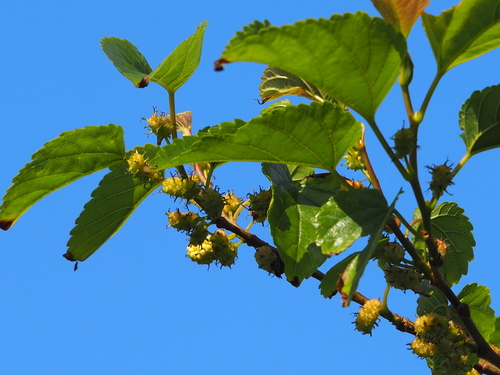
iNaturalist· cc-by-nc
(c) Marvin López M., some rights reserved (CC BY-NC), uploaded by Marvin López M.
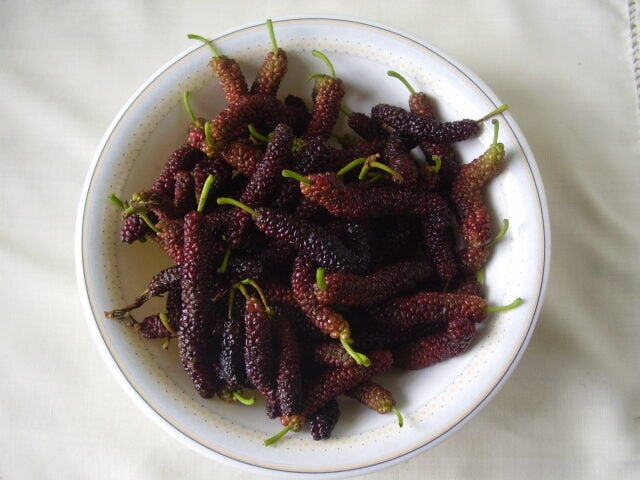
iNaturalist· cc-by-nc
(c) ariel_delgado, some rights reserved (CC BY-NC)
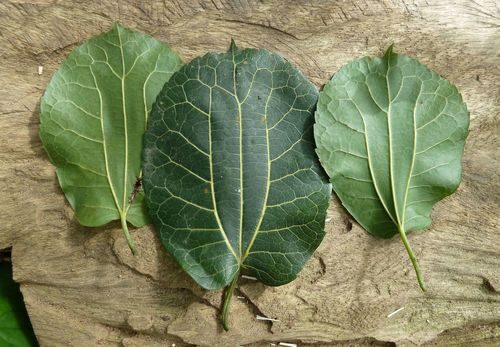
iNaturalist· cc-by-nc
(c) ariel_delgado, some rights reserved (CC BY-NC)
Description
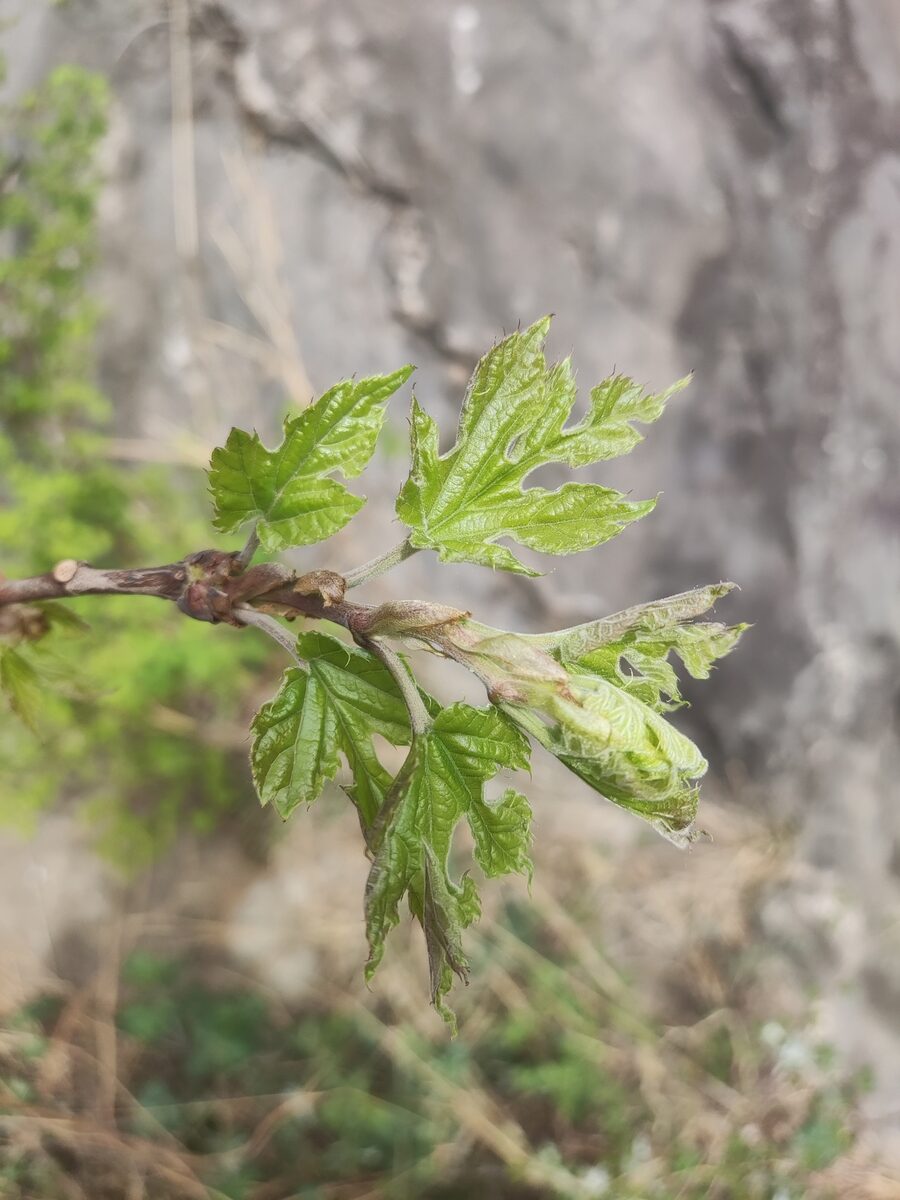
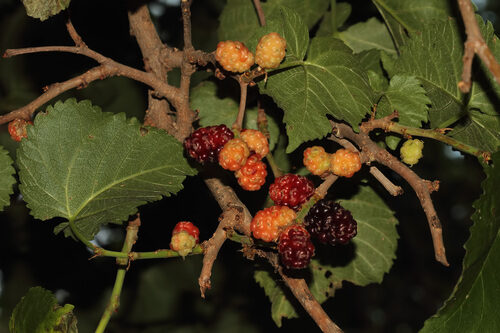
A tree. It grows 15 m tall. The bark is rough and scaly. It has milky sap. The leaves are long and pointed. The flowers are very small and do not have leaf stalks. They occur at the base of the leaves. The fruit is red and like a cherry. It is enclosed in a fleshy covering. It contains one seed. The fruit is edible.
Edible Uses
Fruit - raw. A delicious flavour. The, globose to cylindroid, red fruits are 9 - 14mm long with a thin flesh.
Distribution
A tropical plant.
Where It Grows
Amazon, Belize, Central America, Colombia, Cuba, Dominican Republic, Guatemala, Guyana, Haiti, Hispaniola, Honduras, Jamaica, Mexico, Nicaragua, Panama, Puerto Rico, South America, West Indies,
Cultivation
A dioecious species, both male and female forms need to be grown if fruit and seed are required.
Other Uses
A latex flows easily from the trunk, but it is hard to collect. It is probably used to adulterate chicle. The heartwood is reddish brown; the thick band of sapwood is grayish or pinkish brown. The texture is medium to coarse; the grain variable. The wood is very hard, heavy, tough, strong, splintery, not durable in contact with the ground.
Also Known As
Asta amarilla, Asta mana, Bwa meriz, Caciqui, Cerezo, Capulincillo, Cucua, Leche de vaca, Long bab, Macagua, Macao, Macau, Mambas, Manash, Manax, Manay, Masiquilla, Meris, Negra lora, Ojoche, Ojoche colorado, Ojoche macho, Palo de leche, Quiura
References (10)
- Altschul, S.V.R., 1973, Drugs and Foods from Little-known Plants. Notes in Harvard University Herbaria. Harvard Univ. Press. Massachusetts. no. 701
- Etkin, N. L. (Ed.), 1994, Eating on the Wild Side, Univ. of Arizona. p 140
- Grandtner, M. M., 2008, World Dictionary of Trees. Wood and Forest Science Department. Laval University, Quebec, Qc Canada. (Internet database http://www.wdt.qc.ca)
- Grandtner, M. M. & Chevrette, J., 2013, Dictionary of Trees, Volume 2: South America: Nomenclature, Taxonomy and Ecology. Academic Press p 543
- Hellmuth, N. M., 2011, Maya Ethnobotany. Complete Inventory of plants. Associacion FLAAR Mesoamerica. Tenth edition.
Show all 10 references Hide references
- Little, E. L., et al, 1974, Trees of Puerto Rico and the Virgin Islands. USDA Handbook 449. Forestry Service. p 142
- Plants of Haiti Smithsonian Institute http://botany.si.edu/antilles/West Indies
- Russell, T., Cutler, C., & Walters, M., 2005, The Illustrated Encyclopedia of Trees of the Americas. Lorenz Books. p 205
- Segura, S., et al, 2018, The edible fruit species in Mexico. Genet Resour Crop Evol (2018) 65:1767–1793
- Standley, P. C. & Record, S. J., 1936, The Forests and Flora of British Honduras. (Belize). p 109