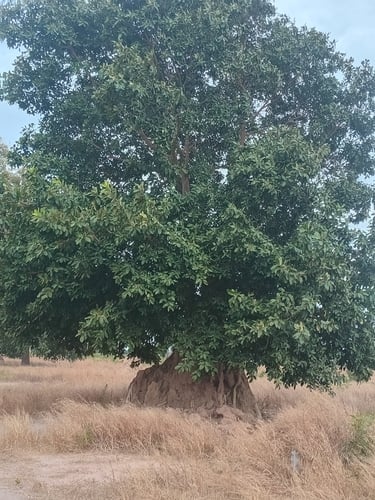
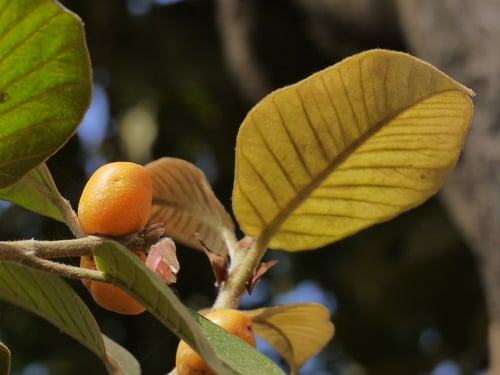
Pseudolmedia laevigata
Trecul
Chimi
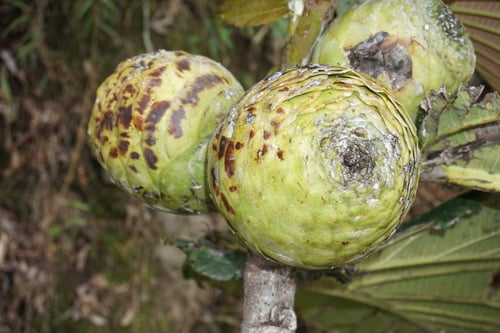
iNaturalist· cc-by
(c) Francisco Farriols Sarabia, some rights reserved (CC BY), uploaded by Francisco Farriols Sarabia
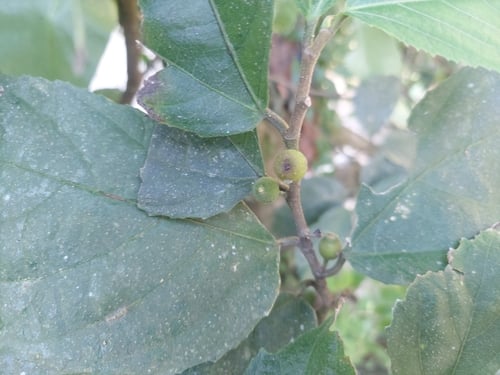
iNaturalist· cc-by-nc
(c) Jean-Philippe BASUYAUX, some rights reserved (CC BY-NC), uploaded by Jean-Philippe BASUYAUX
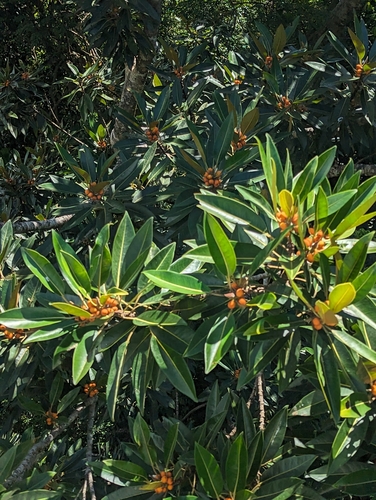
iNaturalist· cc-by
(c) Francisco Farriols Sarabia, some rights reserved (CC BY), uploaded by Francisco Farriols Sarabia
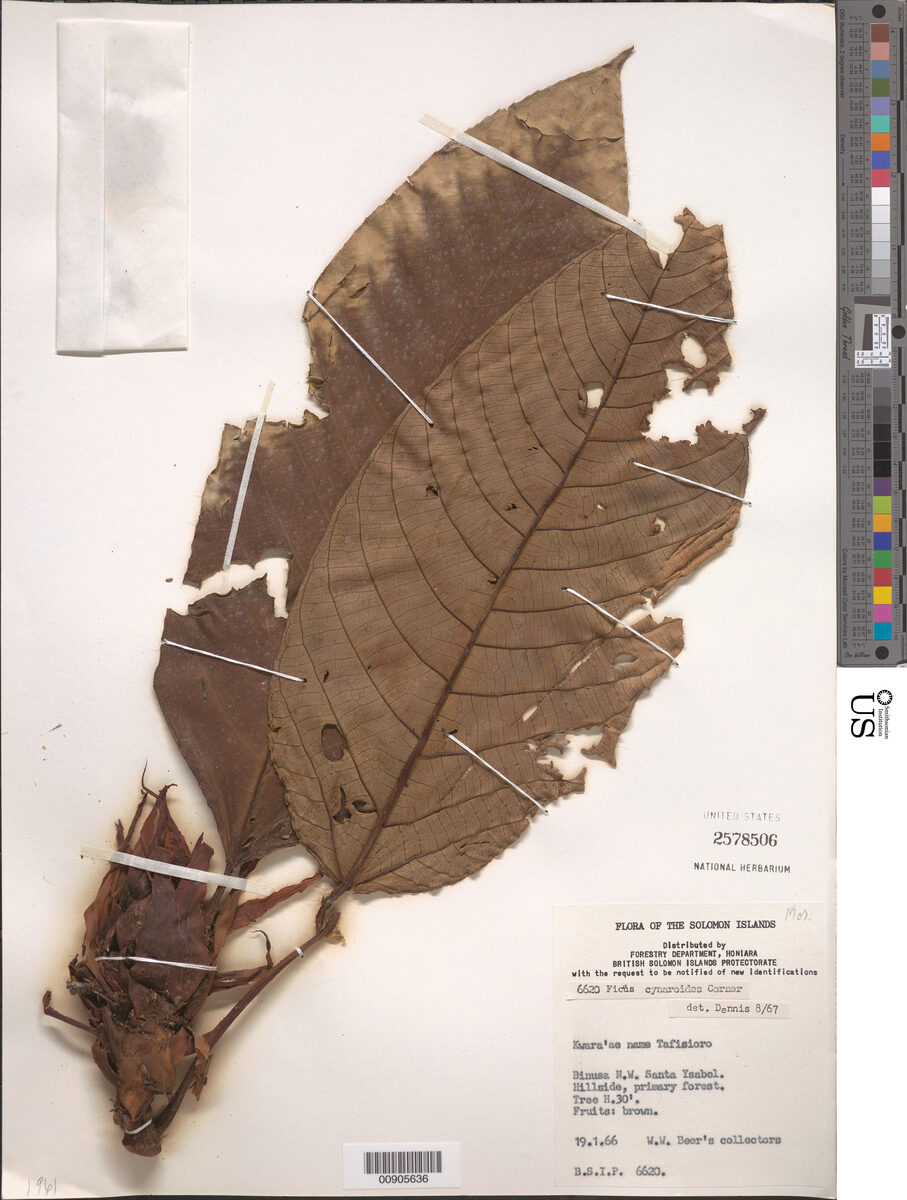
gbif· cc0
Botanical Research Institute of Texas
gbif· cc-by-nc-sa
MBG
Description
A tropical shrub in the fig family (Moraceae) that typically grows 2-5 meters tall. It produces small fruits that are eaten fresh.
This description is brief — help expand it
Edible Uses
The fruit are eaten raw.
Traditional Uses
The fruit are eaten raw.
This uses section is brief — help expand it
Medicinal Uses
A tea made from the young twigs is esteemed as an excellent stimulant of the appetite.
Known Hazards
The fruits of this tree are said by the Indians of the Rio Apaporis to be toxic.
Distribution
It is a tropical plant.
Where It Grows
Amazon, Andes, Bolivia, Brazil, Central America, Colombia, Ecuador, French Guiana, Guianas, Guyana, Mexico, Panama, Paraguay, Peru, South America*, Suriname, Venezuela,
Cultivation
A dioecious species, both male and female forms need to be grown if fruit and seed are required.
Other Uses
The heartwood is red to dark red; the sapwood yellow. The texture is medium; the grain interlocked; lustre medium to bright; there is no distictive taste or aroma. The wood is fairly durable when not in contact with the soil. It works well with ordinary tools. The wood is used in construction, tool handles, mouldings, flooring, door and window frames.
Synonyms
Also Known As
Amoeira-da-mata, Apitinga, Cabecita, Capuli, Catamajaca rebalsera, Cauchillo, Charo, Chime, Chimi, Chimicua, Chipi, Coca-coca, Fruto de paloma, Hayihi, Hueayaji, Hueayasi, Leche chiva, Leche de perra, Misho chaqui, Motelo chaqui, Muiratinga, Nui, Nui liso, Nui pequeno, Oboya, Oboye, Omoiwe, Pama amarilla, Pamaqui, Paparu, Pelacara, Sin pene, Tamiya muyu, Uchafollo, Ucho falo, Uchu huallis
References (14)
- Brako, L. and J.L. Zarucchi, 1993, Catalogue of the flowering plants and gymnosperms of peru.Catálogo de Angiospermas y Gimnospermas del Perú, Vol.45. Missouri Botanical Garden.
- Creed-kanashiro, H., et al, Traditional food system of an Awajun community in Peru. Indigenous Peoples' food systems Chp. 4
- Grandtner, M. M. & Chevrette, J., 2013, Dictionary of Trees, Volume 2: South America: Nomenclature, Taxonomy and Ecology. Academic Press p 543
- Kermath, B. M., et al, 2014, Food Plants in the Americas: A survey of the domesticated, cultivated and wild plants used for Human food in North, Central and South America and the Caribbean. On line draft. p 719
- Kuhnlein, H. V., et al, 2009, Indigenous Peoples' food systems. FAO Rome p 83
Show all 14 references Hide references
- Lopez-Diago, D. & Garcia, N., 2021, Wild edible fruits of Colombia. Biota ColomBiana 22 (2) p 43
- Peres, M. K., 2011, Diasporos do Cerrado Atrativos para Fauna: Chave Interativa Caracterizacao Visual e Relacoes Ecologicas. Masters thesis. Universidade de Brasilia.
- Philips, O., 1992, The potential for harvesting fruits in tropical rainforests: new data from Amazonian Peru. Biodiversity and Conservation 2, 18-38
- Pohle, P. & Reinhardt, S., 2004, Indigenous knowledge of plants and their utilization among the Shuar of the lower tropical mountain forest in southern Ecuador. Lyonia 7(2)
- Roa, J. A. G. & Boada, D. S. G., 2018, Fundación para el Fortalecimiento de la Fruticultura y Plantas Alimenticias no Convencionales en Colombia.
- Torre, de la, L., et al, 2008, Enciclopedia de las Plantas Útiles del Ecuador. Herbario QCA. Pontificia Universidad Católica del Ecuador. p 455
- Van den Eynden, V., et al, 2003, Wild Foods from South Ecuador. Economic Botany 57(4): 576-603
- www.colecionandofrutas.org
- www.proyanomami.org