Pseudolmedia oxyphyllaria
Donn.
iNaturalist· cc-by-nc
(c) Styv De Jesús Calva, some rights reserved (CC BY-NC)
iNaturalist· cc-by-nc
(c) Styv De Jesús Calva, some rights reserved (CC BY-NC)
iNaturalist· cc-by-nc
(c) Styv De Jesús Calva, some rights reserved (CC BY-NC)
Description
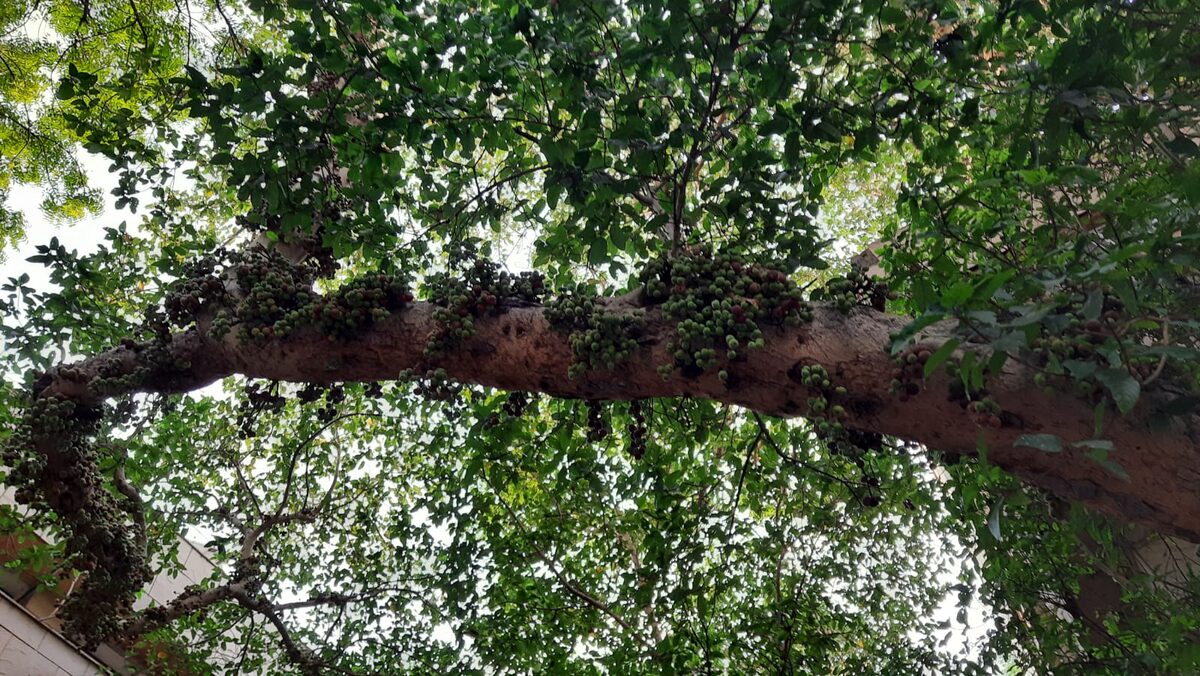
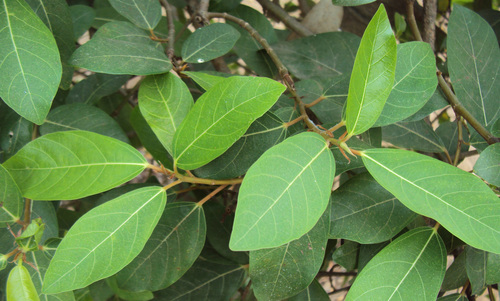
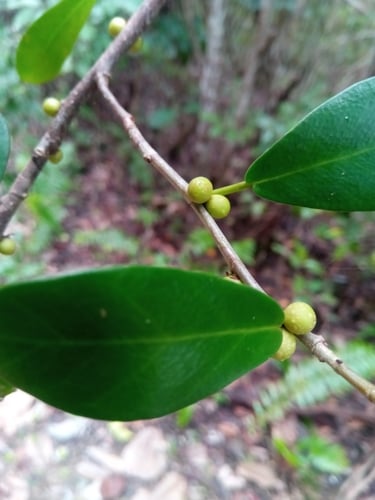
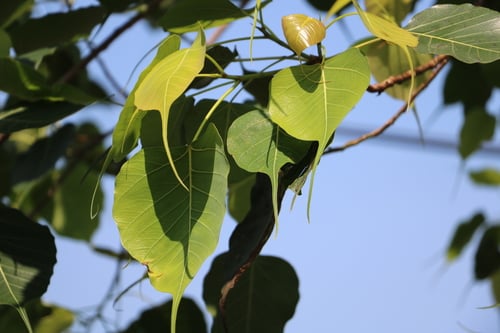
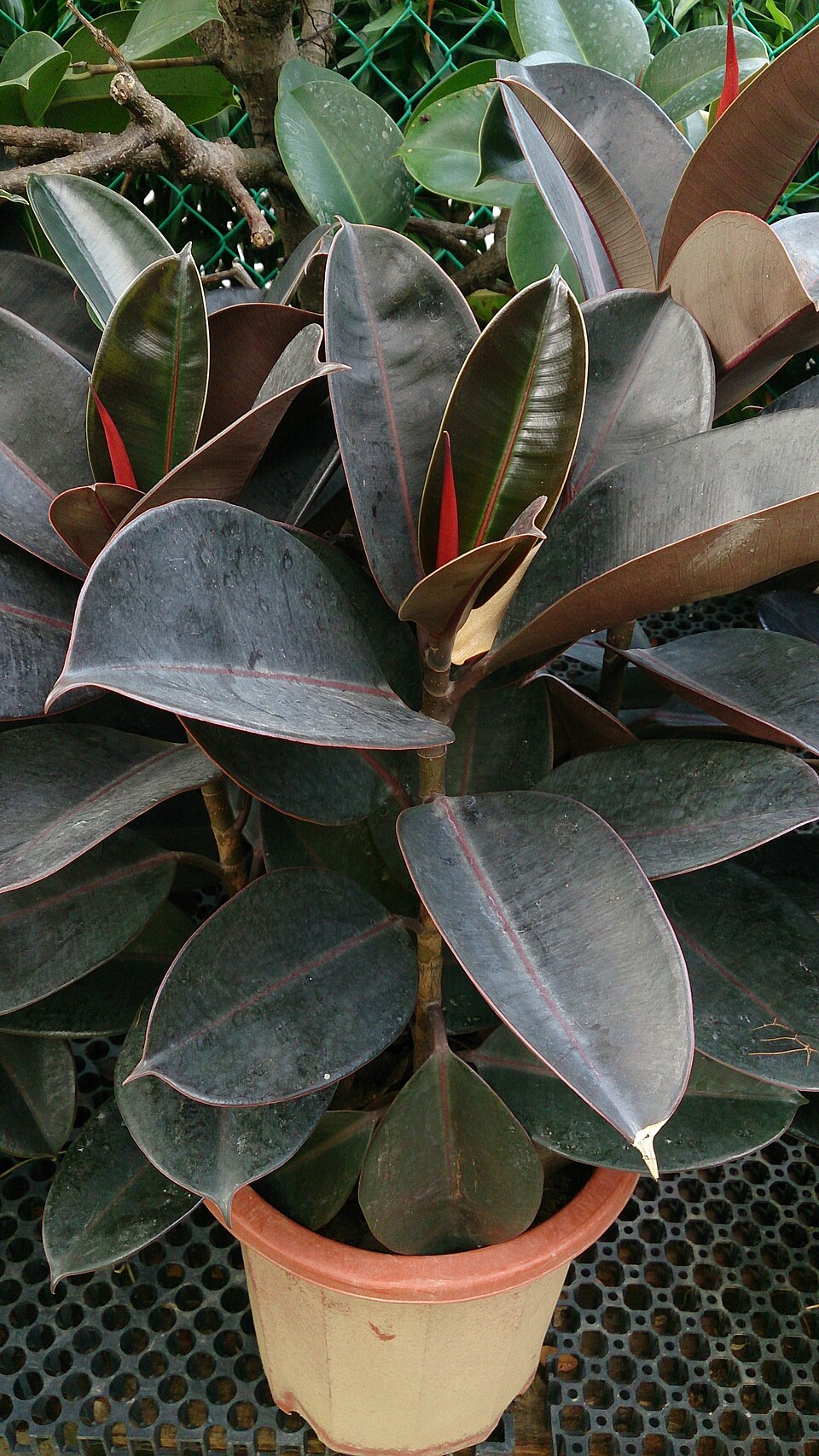
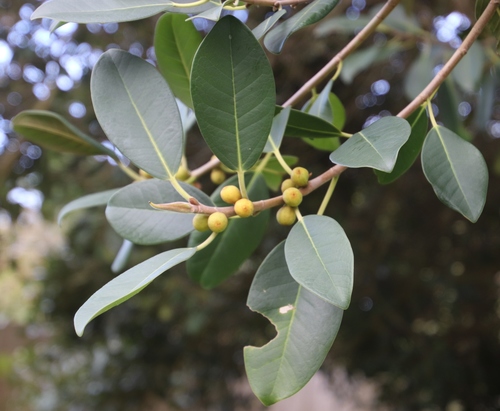
A tree. It grows 30 m tall. It has creamy latex. The leaves are sword shaped and broader near the lower end. They are 7-24 cm long by 2-10 cm wide. They taper to the tip. The fruit are almost round and about 2 cm wide and long. They are green but turn yellow when ripe.
Edible Uses
The fruit is eaten.
Distribution
It is a tropical plant. In Central America it grows from sea level to 1,800 m altitude.
Where It Grows
Belize, Central America, Costa Rica, El Salvador, Guatemala, Honduras, Mexico, North America,
Synonyms
Pseudolmedia mollis StandleyBrosimum ramonense StandleyPseudolmedia simiarum Standley & SteyermarkPseudolmedia malacocarpa Standley & L. O. Williams
Also Known As
Manash, Tepetomate, Tomatillo, Waxax
References (4)
- Ibarra-Manriquez, G., et al, 1997, Useful Plants of the Los Tuxtlas Rain Forest (Veracruz, Mexico): Considerations of their Market Potential. Economic Botany, Vol. 51, No. 4, pp. 362-376
- Kermath, B. M., et al, 2014, Food Plants in the Americas: A survey of the domesticated, cultivated and wild plants used for Human food in North, Central and South America and the Caribbean. On line draft. p 719
- Mutchnick, P. A. and McCarthy, B. C., 1997, An Ethnobotanical Analysis of the Tree Species Common to the Subtropical Moist Forests of the Peten, Guatemala. Economic Botany, Vol. 51, No. 2, pp. 158-183
- Piedra-Malagón, E. M., et al, 2022, Edible native plants of the Gulf of Mexico Province. Biodiversity Data Journal 10: e80565 p 25