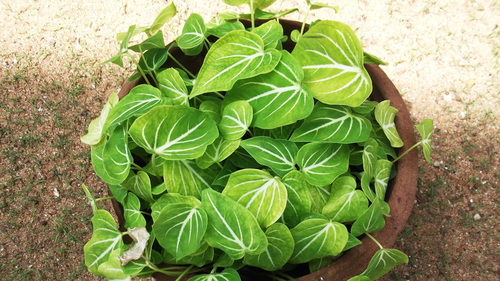
Rhaphidophora decursiva
(Roxb.) Schott
Creeping philodendron, Dangling tapanawa
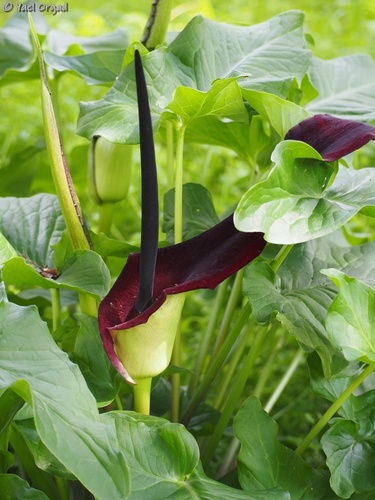
iNaturalist· cc-by-nc
(c) isabella_schroter, some rights reserved (CC BY-NC)
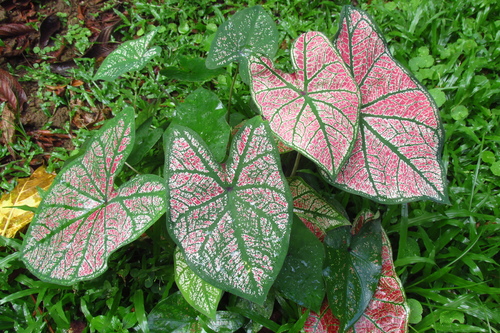
iNaturalist· cc-by-nc
(c) Steve Maldonado Silvestrini, some rights reserved (CC BY-NC), uploaded by Steve Maldonado Silvestrini
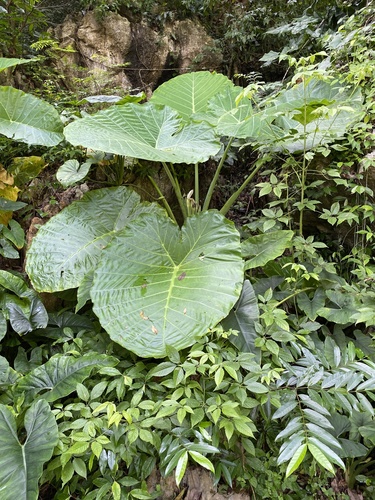
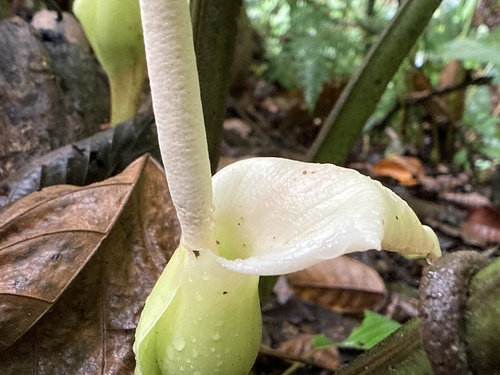
iNaturalist· cc-by-nc
(c) Rinzin Dorji, some rights reserved (CC BY-NC), uploaded by Rinzin Dorji
Summary
Source: WikipediaRhaphidophora decursiva is a species of flowering plant in the family Araceae. It is native to China, the Indian subcontinent, and Indochina.
Description
A creeper. It is robust and grows 20 m long. The stems are yellow at the front and green at the back. They are 3-5 cm across and form roots at the nodes. The leaves are scattered. The leaf stalk is green and 20-40 cm long. It has a shallow canal along it. The leaves are round to oval and 16 cm long by 13 cm wide. They are pale green underneath.
Edible Uses
The stems are boiled and eaten.
Traditional Uses
The stems are boiled and eaten.
This uses section is brief — help expand it
Distribution
It is a tropical plant. It grows in monsoon rainforest and creeps over the ground and rocks and climbs trees. In southern China it grows below 2,200 m above sea level. In XTBG Yunnan. In Sichuan.
Where It Grows
Asia, Bangladesh, Bhutan, Cambodia, China, Himalayas, India, Indochina, Indonesia, Laos, Myanmar, Nepal, Northeastern India, SE Asia, Sikkim, Slovenia, Sri Lanka, Taiwan, Thailand, Tibet, Vietnam,
Cultivation
Plants can be grown from seeds and cuttings.
Synonyms
Also Known As
Kanchirna, Tapanawa jumbai, u-bal
References (3)
- http://www.botanic-gardens-ljubljana.com/en/plants
- Kar, A., et al, 2013, Wild Edible Plant Resources used by the Mizos of Mizoram, India. Kathmandu University Journal of Science, Engineering and Technology. Vol. 9, No. 1, July, 2013, 106-126 (As Raphidophora ducursiva)
- Sukarya, D. G., (Ed.) 2013, 3,500 Plant Species of the Botanic Gardens of Indonesia. LIPI p 962