Goniothalamus sesquipedalis
(Wall.) Hook.f. & Thomson
iNaturalist· cc-by-nc
(c) sugermj, some rights reserved (CC BY-NC)
iNaturalist· cc-by-nc
(c) sugermj, some rights reserved (CC BY-NC)
Description
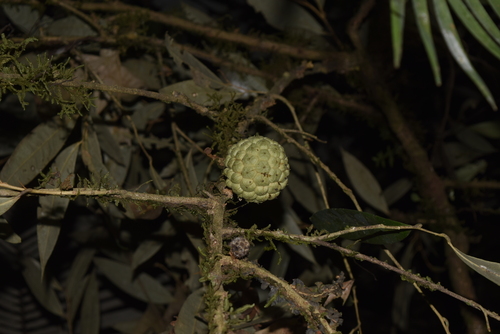
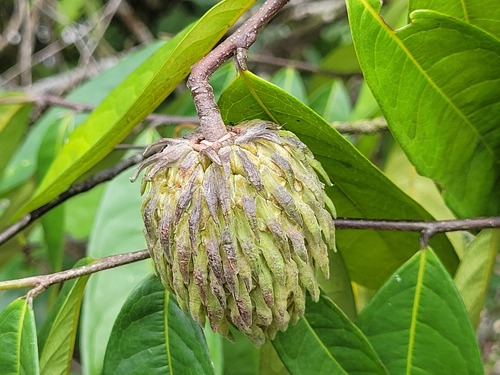
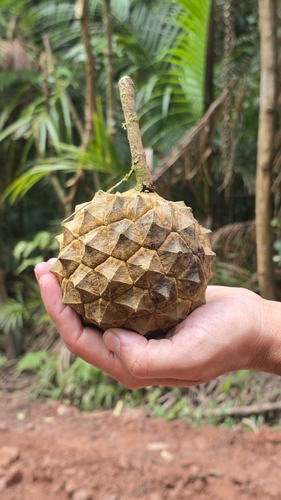
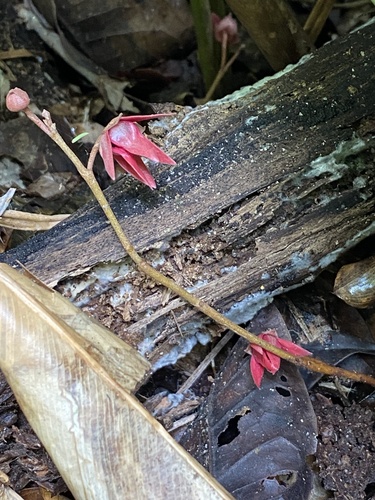
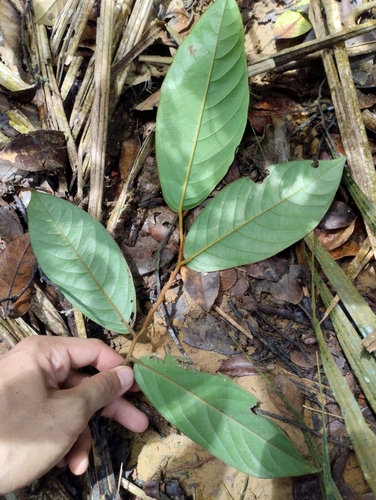
A small shrub. It grows 3-4 m tall. The leaves are simple and alternate. They are oval and 20-40 cm long by 4-10 cm wide. The edges curve under. The flowers contain both sexes. The flowers occur singly or in pairs. The ripe fruit can occur singly or in groups of 2-4. They are oval and taper slightly. They can be red or orange and are 2-3 cm long by 1 cm wide. There is one seed in each section.
Edible Uses
The ripe fruit is eaten.
Traditional Uses
The ripe fruit are eaten.
This uses section is brief — help expand it
Medicinal Uses
The leaves are used in traditional medicine.
Distribution
It is a subtropical plant. It grows between 300-1,000 m above sea level.
Where It Grows
Asia, Bangladesh, Bhutan, Himalayas, India, Indochina, Myanmar, Northeastern India, SE Asia, Thailand,
Notes
The leaves are used in medicine.
Synonyms
Also Known As
Kham, Leikham, Sane
References (1)
- Kar, A., et al, 2013, Wild Edible Plant Resources used by the Mizos of Mizoram, India. Kathmandu University Journal of Science, Engineering and Technology. Vol. 9, No. 1, July, 2013, 106-126