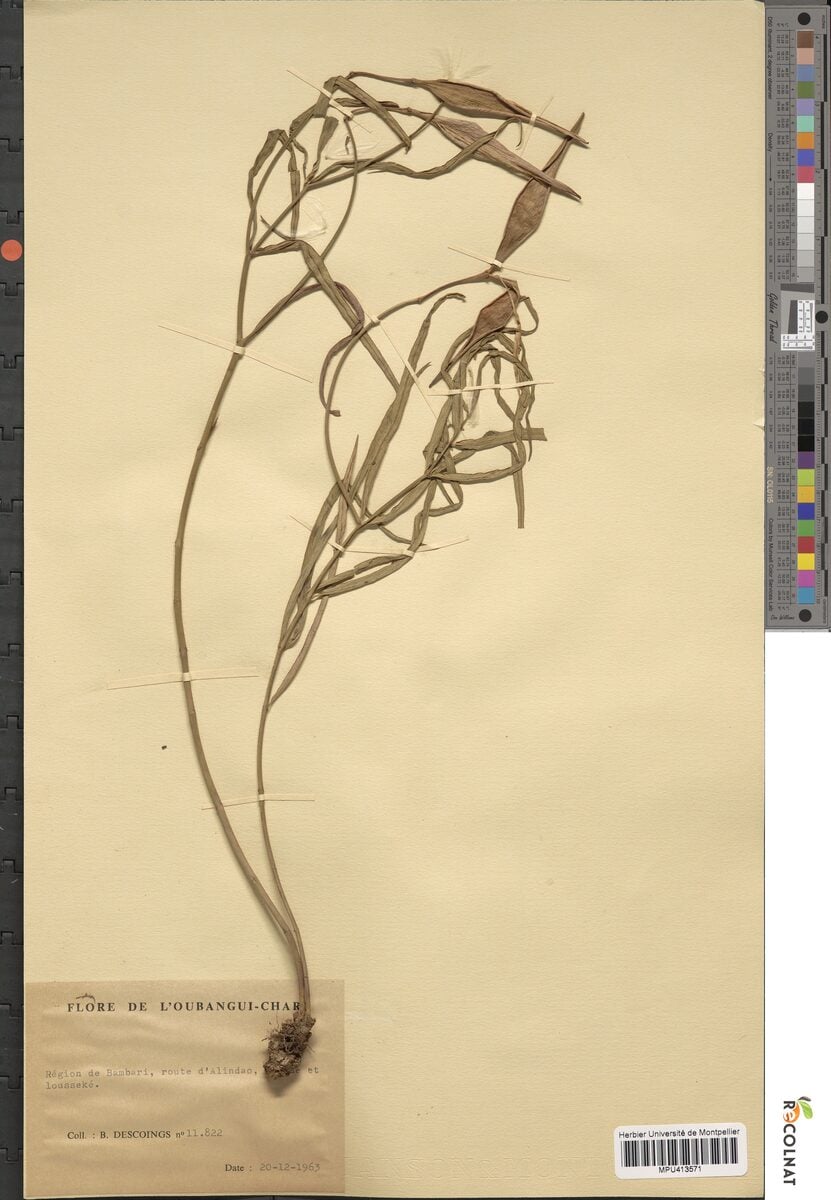
Annona hypoglauca
Mart.
Anonilla
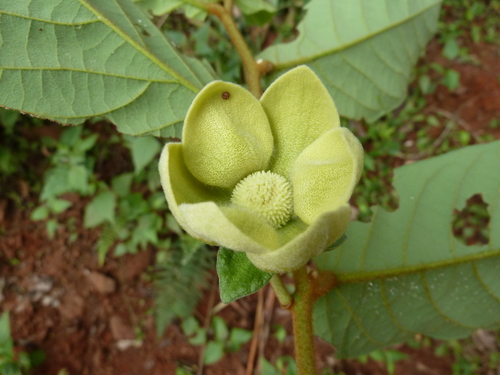
iNaturalist· cc-by-nc
(c) fundopomona, some rights reserved (CC BY-NC), uploaded by fundopomona
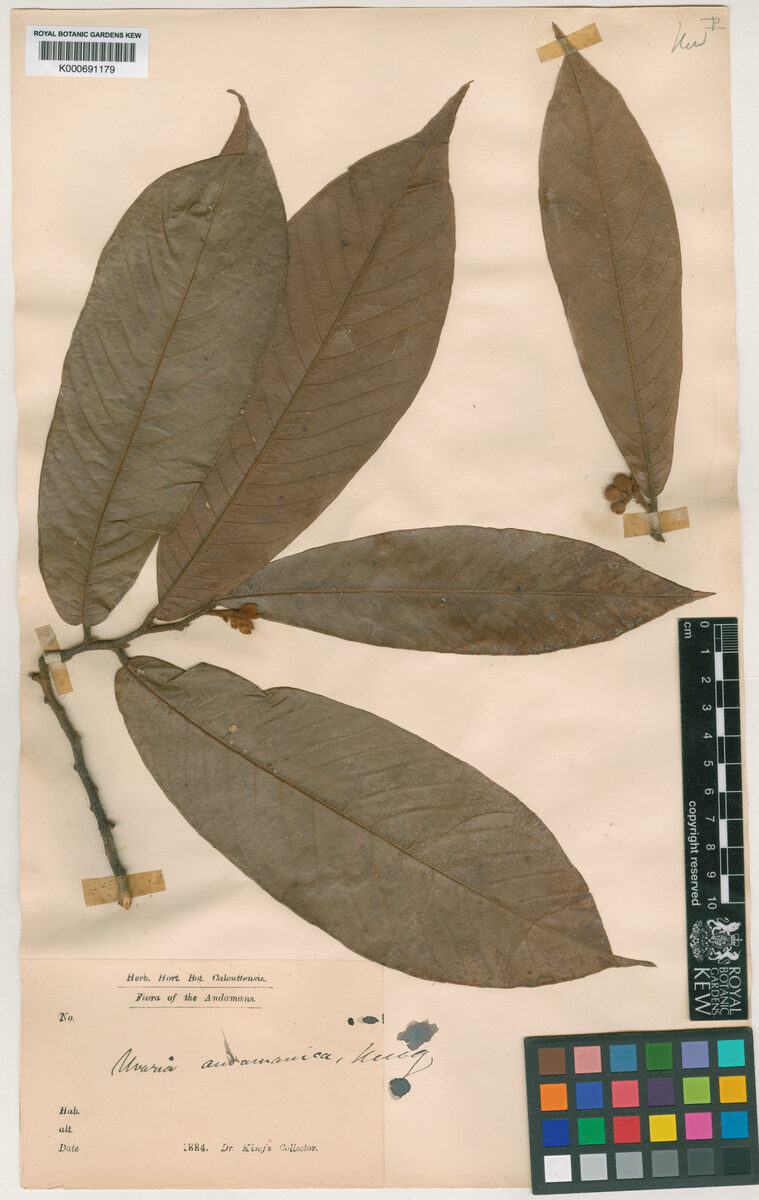
iNaturalist· cc-by-nc
(c) Alice Bello, some rights reserved (CC BY-NC)
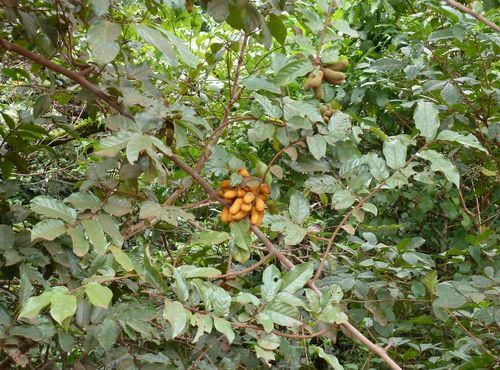
iNaturalist· cc-by-nc
(c) Alice Bello, some rights reserved (CC BY-NC)
Summary
Source: WikipediaAnnona hypoglauca, also known as wild cherimoya, (not to be confused with Annona hayesii, also known as wild cherimoya) occurs along Amazon floodplains between Colombia and Bolivia. A. hypoglauca is a member of the family Annonaceae along with other fruiting plants like pawpaws, soursops, and cherimoyas. A. hypoglauca is currently cultivated scarcely outside of its native range and is classified as rare. Studies on germination rates of A. hypoglauca yield poor results, with a meager 5% and seeds took upwards of 49 days to germinate. Seeds are small and lightweight compared to other Annona species. The native ecology of A. hypoglauca is rich whitewater floodplains of Amazonian lowland rain forests. And fish are likely candidates for seed dispersal, as the trees grow in seasonal floodplains and seed coats are excessively hard and pass directly through the digestive systems. Like other Annona spp. the inner membranes of seeds of A. hypoglauca are toxic. Trees are relatively small, capping around 4-6m (15-18ft). They have a creamy flesh with a pudding-like consistency and a taste reminiscent of slightly savory taro. Pulp is minimal and ferments readily, so viability in commercial markets is slim. Regardless, though A. hypoglauca may not find its way into stores, it has better prospects in the medical industry.
Description
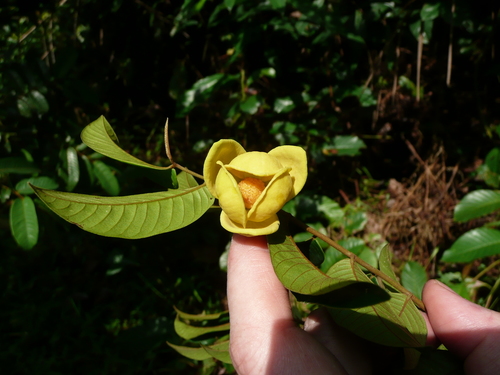
A thick woody creeper or vine. It can be a tree. The fruit are 8-9 cm long by 5 cm wide. They are yellow when ripe. The fruit have nobbly skin with slightly pointed protrusions. The fruit have about 100 black seeds. They are in a creamy white pulp. The seeds are 1.5 cm long by 0.5 cm wide.
Edible Uses
The fruit is eaten, with the creamy white pulp surrounding the seeds being the edible portion.
Distribution
It is a tropical plant. They grow in flooded lowlands along the Amazon. In Colombia it grows between 100-300 m above sea level.
Where It Grows
Amazon, Argentina, Bolivia*, Brazil, Colombia, Ecuador*, Guiana, Guianas, Guyana, Peru, South America, Suriname, Venezuela,
Cultivation
Succeeds in moist to wet soils.
Other Uses
Thje bark is used as basket handles. The sapwood is grayish or pale brown; the thin layer of heartwood is dark brown. The wood has no distinctive odour or taste; it is straight-grained; medium- to coarse-textured; fairly light in weight and soft. It is easy to cut and capable of taking a lustrous finish. The wood is used in the construction of canoes and houses.
Production
The fruit appear through the rainy season.
Synonyms
Also Known As
Ahuatacatoco, Anona, Anon de pescado, Anonilla huasca, Bejuco, Birib, Graviola, Guanabana, Guanabana sacha, Majagua de aparo, Roho nesebi, Rononopa, Sacha-anona, Tortuga blanca, Yakebedewe, Yaku anona
References (14)
- Altschul, S.V.R., 1973, Drugs and Foods from Little-known Plants. Notes in Harvard University Herbaria. Harvard Univ. Press. Massachusetts. no. 1061 (As Annona tessmannii)
- Grandtner, M. M. & Chevrette, J., 2013, Dictionary of Trees, Volume 2: South America: Nomenclature, Taxonomy and Ecology. Academic Press p 37
- Kermath, B. M., et al, 2014, Food Plants in the Americas: A survey of the domesticated, cultivated and wild plants used for Human food in North, Central and South America and the Caribbean. On line draft. p 70
- Kew Plants of the World onLine
- Lopez-Diago, D. & Garcia, N., 2021, Wild edible fruits of Colombia. Biota ColomBiana 22 (2) p 28
Show all 14 references Hide references
- Murillo-A, J., 2001, Annonaceae of Colombia. Biota Colombiana 2(1): 49-51
- Paniagua Zambrana, N. Y., et al, 2017, Traditional knowledge hiding in plain sight - twenty-first century ethnobotany of the Chacobo in Beni, Bolivia. Journal of Ethnobiology and Ethnomedicine (2017) 13:57
- Philips, O., 1992, The potential for harvesting fruits in tropical rainforests: new data from Amazonian Peru. Biodiversity and Conservation 2, 18-38
- Reis, S. V. and Lipp, F. L., 1982, New Plant Sources for Drugs and Foods from the New York Botanical Garden herbarium. Harvard. p 69
- Roa, J. A. G. & Boada, D. S. G., 2018, Fundación para el Fortalecimiento de la Fruticultura y Plantas Alimenticias no Convencionales en Colombia.
- Smith, N., et al, 2007, Amazon River Fruits. Flavors for Conservation. Missouri Botanical Gardens Press. p 26
- Torre, de la L., et al, 2008, Enciclopedia de las Plantas Útiles del Ecuador. Herbario QCA. Pontificia Universidad Católica del Ecuador. p 163
- Vasquez, R. and Gentry, A. H., 1989, Use and Misuse of Forest-harvested Fruits in the Iquitos Area. Conservation Biology 3(4): 350f
- Zambrana, P, et al, 2017, Traditional knowledge hiding in plain sight – twenty-first century ethnobotany of the Chácobo in Beni, Bolivia. Journal of Ethnobiology and Ethnomedicine (2017) 13:57