Inga quaternata
Poepp.
iNaturalist· cc-by-nc
(c) Steve Maldonado Silvestrini, some rights reserved (CC BY-NC)
iNaturalist· cc-by-nc
(c) Steve Maldonado Silvestrini, some rights reserved (CC BY-NC)
iNaturalist· cc-by-nc
(c) Kurt Miller, some rights reserved (CC BY-NC)
Description
A shrub or small tree. The crown can be round or spreading. It grows 5-15 m tall. The trunk is straight and 25 cm across. The flowers are white. The fruit is a pod 3-18 cm long by 2-3 cm wide.
Edible Uses
Fruit - raw. A sweet-flavoured white pulp surrounds the seeds, but it is rather thin and so seldom used. The seedpod can be 3 - 18cm long and 2 - 3cm wide.
Traditional Uses
The thin pulp around the seeds is eaten raw.
This uses section is brief — help expand it
Distribution
It is a tropical plant. It grows in wet lowlands. It grows from sea level to 600 m above sea level.
Where It Grows
Amazon, Bolivia, Brazil, Caribbean, Central America, Colombia, Ecuador, Mexico, North America, Panama, Peru, Puerto Rico, South America, West Indies,
Cultivation
Plants grow easily from fresh seeds. Seeds germinate in 1-2 weeks given moisture and shade.
Other Uses
The heartwood is brown; clearly demarcated from the sapwood which is yellowish brown with slaty gray areas caused by sap stain. The wood is straight-grained; medium or coarse-textured ; light in weight and soft, to moderately heavy and compact. The wood is only used for fuel. The tree grows rapidly, casts a dense shade, and fixes atmospheric nitrogen. It has been used for providing shade in coffee plantations. When first cultivated, the tree was thought to be immune to attack by hormiguilla, an insect pest found on a related native species in Puerto Rico. It has since proved susceptible; but as the tree is very adaptable, survives well, provides a low shade at an early age, and is very easily propagated, it probably will continue to be used for this purpose. Inga species generally have a number of factors that make them popular for use as shade trees in coffee and cacao plantations:- they grow quickly and so soon make an effecte shade; they respond well to drastic pruning and so are easy to keep within the required size and shade levels; they promote and maintain soil fertility; they are effective soil stabilizers.
Production
It is a fast growing tree. Plants flower and fruit irregularly throughout the year.
Other Information
It is only occasionally eaten.
Notes
Also as Mimosaceae.
Synonyms
Also Known As
Bribri, Churimo, Inga-azeda, Pairajo, Shimbillo
References (3)
- Fern, K., 2012, Tropical Species Database http://theferns.info/tropical/
- Kermath, B. M., et al, 2014, Food Plants in the Americas: A survey of the domesticated, cultivated and wild plants used for Human food in North, Central and South America and the Caribbean. On line draft. p 445
- Macbride. J. F., 1942, Flora of Peru. Leguminosae. Field Museum Natural History. Chicago. p 39
More from Fabaceae
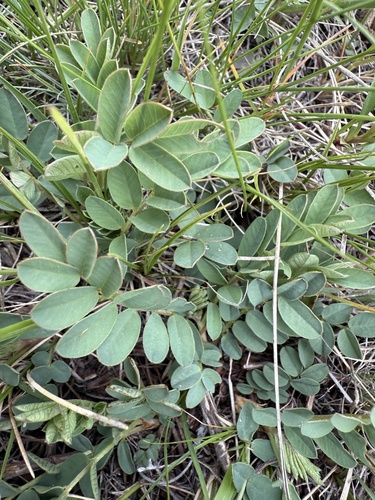
Hedysarum americanum
Indian potato, Sweetroots
Hedysarum arcticum
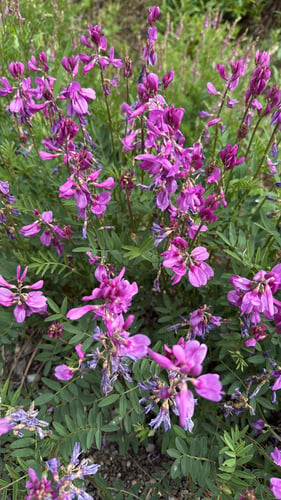
Hedysarum boreale
Northern sweet vetch, Licorice root, Sweet root
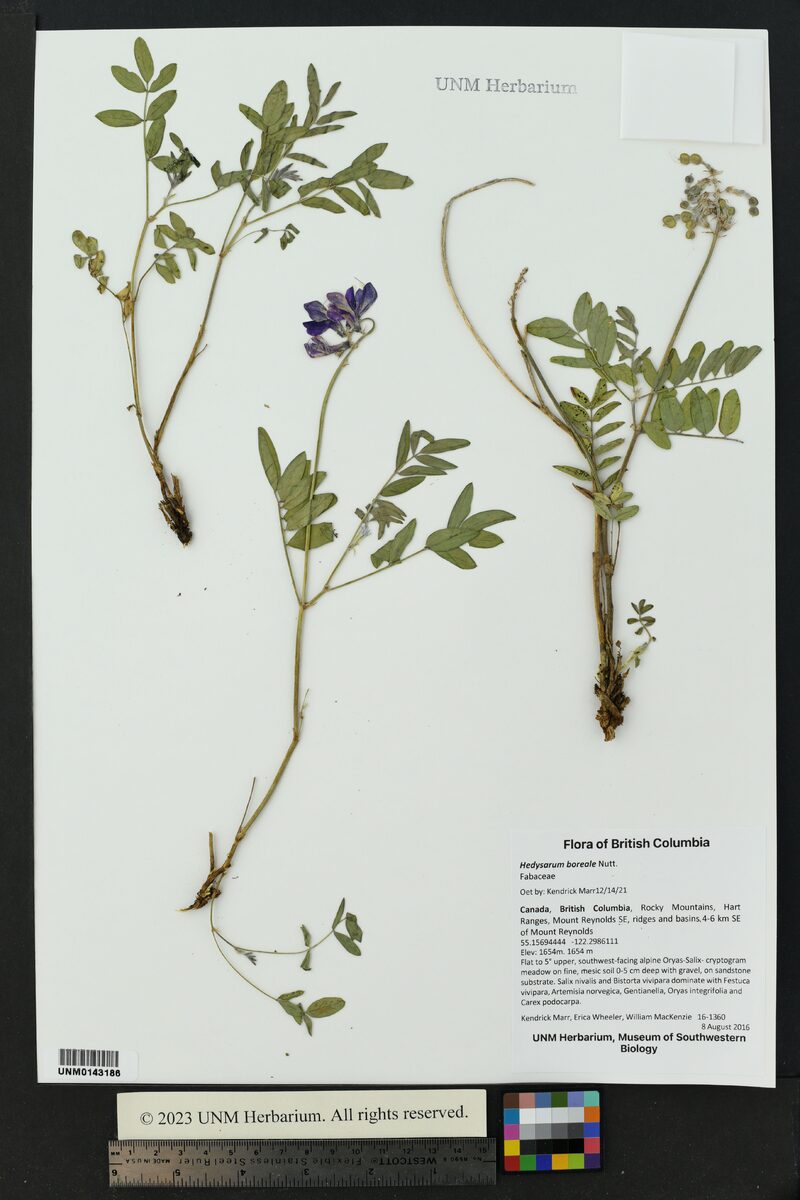
Hedysarum boreale mackenzii - (Richardson.)Löve.&D.Löve.
Liquorice Root
Hedysarum boreale subsp. mackenzii
Liquorice root, Mackenzie's Sweetvetch, Mackenzie's hedysarum
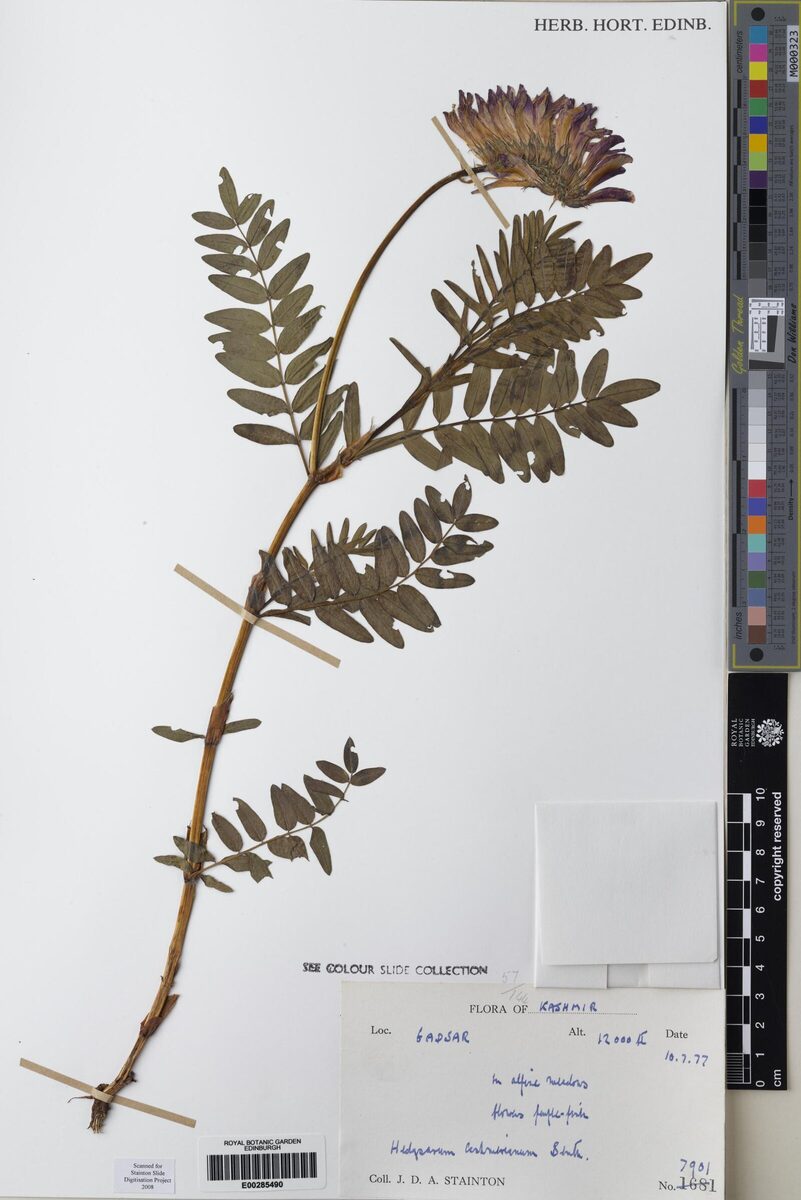
Hedysarum cachemirianum