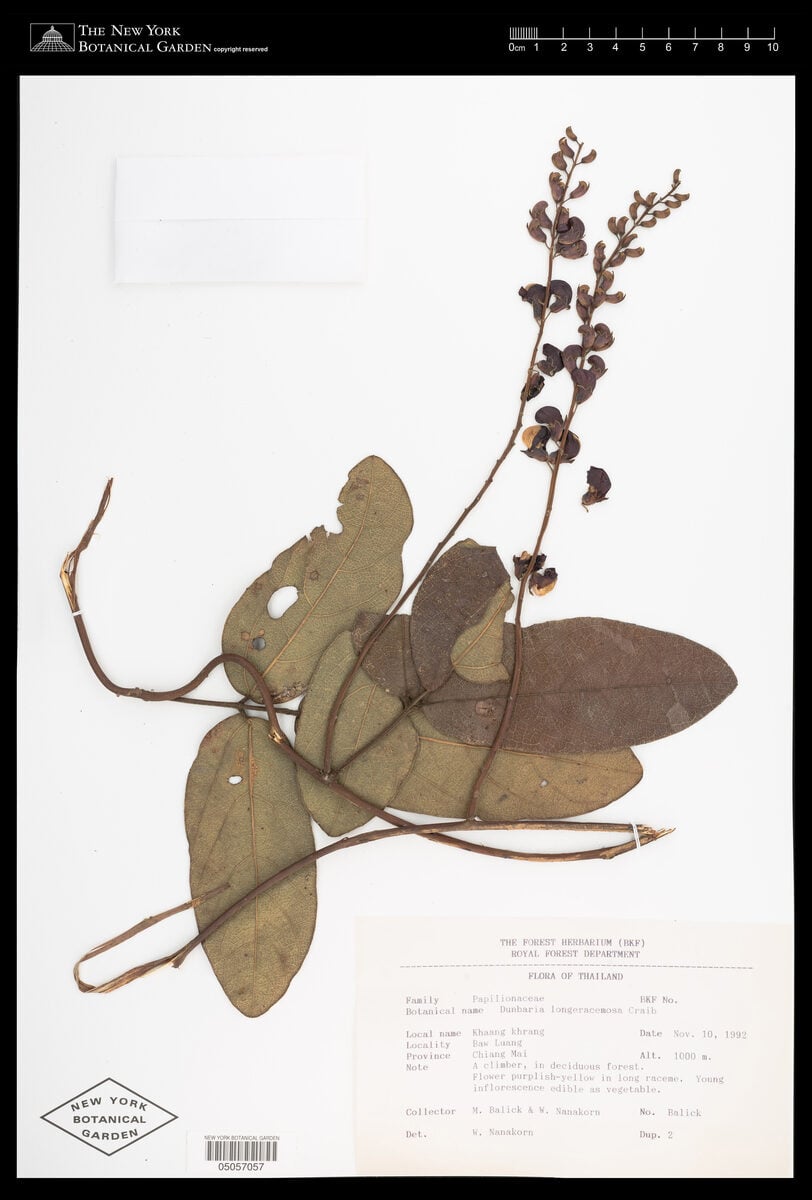
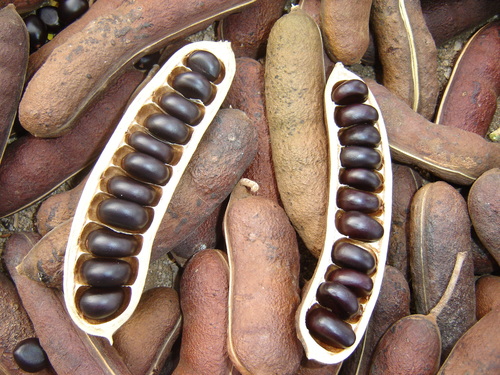
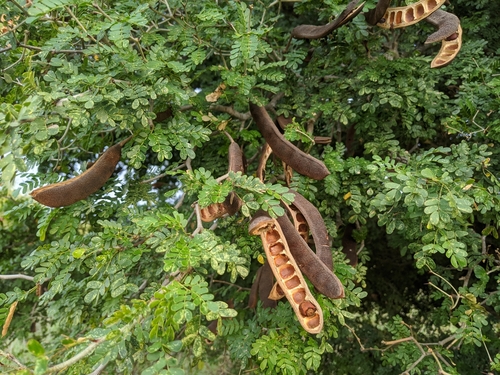
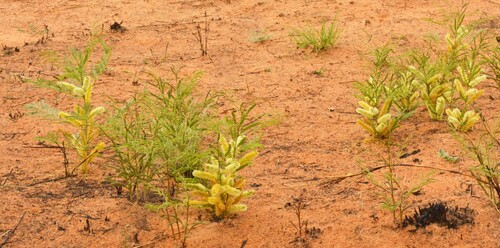
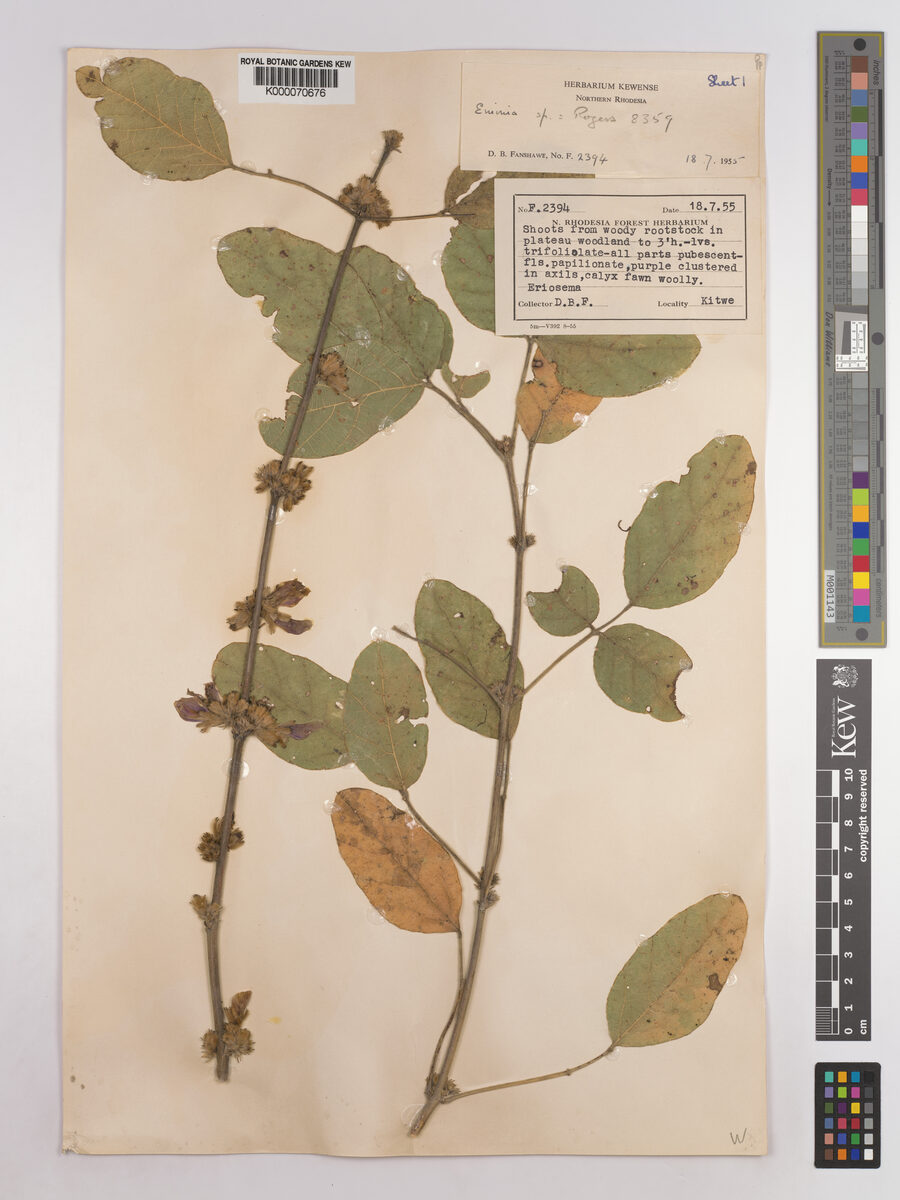
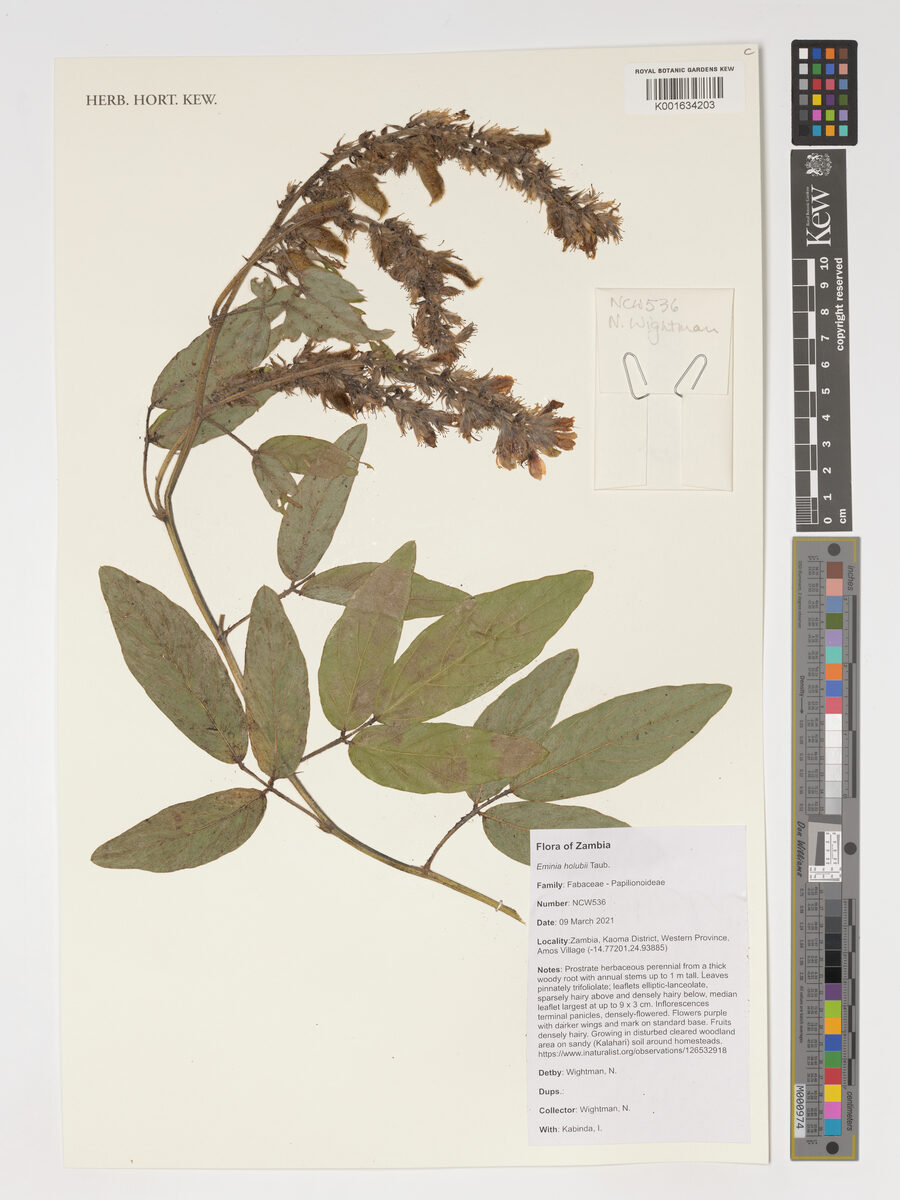
Caesalpinia digyna
Rottler
Teri pods, Udakiryaka
gbif· cc-by-nc-sa
MBG
gbif· cc-by
GBIF
gbif· cc0
GBIF
Description
Caesalpinia digyna is an evergreen Shrub growing to 10 m (32ft) by 10 m (32ft) at a fast rate. See above for USDA hardiness. It is hardy to UK zone 10. It can fix Nitrogen. Suitable for: light (sandy), medium (loamy) and heavy (clay) soils and prefers well-drained soil. Suitable pH: mildly acid, neutral and basic (mildly alkaline) soils. It cannot grow in the shade. It prefers moist soil.
Edible Uses
Regional Crop (These crops have been domesticated and cultivated regionally but have not been adopted elsewhere and are typically not traded globally, Examples in this broad category include perennial cotton and many nuts and staple fruits. Staple Crop: Protein-oil (16+ per cent protein, 16+ per cent oil). (Annuals include soybeans, peanuts, sunflower seeds. Perennials include seeds, beans, nuts, and fruits such as almond, Brazil nut, pistachio, walnut, hazel, and safou).
Medicinal Uses
Antipyretic Astringent Tonic. The root is astringent. It is given internally in the treatment of phthisis, scrofula and diabetes. Teri Pods yield the glycoside bergenin, which gives the plant its therapeutic properties. As an antioxidant, Teri Pods are revered as a tonic and physical rejuvenative. As an antipyretic, it lowers fever. As an astringent on topical application will heal wounds more quickly.
Distribution
E. Asia - China, Indian subcontinent, Malaysia to Indonesia.
Where It Grows
TEMPERATE ASIA: China (Hainan Sheng, Yunnan Sheng) TROPICAL ASIA: India, Sri Lanka, Nepal, Cambodia, Myanmar, Thailand, Vietnam, Malaysia
Cultivation
Succeeds in warm temperate to tropical climates. Succeeds in any moderately fertile, well-drained soil. Requires a position in full sun. Plants in this genus are notably resistant to honey fungus. This species has a symbiotic relationship with certain soil bacteria, these bacteria form nodules on the roots and fix atmospheric nitrogen. Some of this nitrogen is utilized by the growing plant but some can also be used by other plants growing nearby.
Propagation
Seed - pre-soak for 12 - 24 hours in warm water prior to sowing. When large enough to handle, prick the seedlings out into individual pots and grow them on until large enough to plant out. Softwood cuttings in sand in a frame.
Other Uses
Dye Fodder Ink Mordant Oil Tannin. The roots and the seedpods are a source of tannins. Very rich in tannin, they are used in local tanning industries. The pods can also serve to prepare a blackish or bluish dye and black ink, and are sometimes employed as a mordanting agent. The wood is reported to contain a red dye. The pods contain an oil that can be used in lamps. Fodder (Pod Fodder plants with pods). Industrial Crop: Starch (Materials and chemicals include bioplastics, paper, cardboard, solvents, paints, glues etc. Plants are usually pods, starchy fruits, nuts & seeds, starchy trunks).
Synonyms
Also Known As
Gilo, Khvaw baba, Kalein, Khvaw banla, Mak-sup-ka-lun, Moc-meo xanh, Nune-gacca, Sun-lethe, Umul-kuchi, Vakeri-mul, Vakerimula