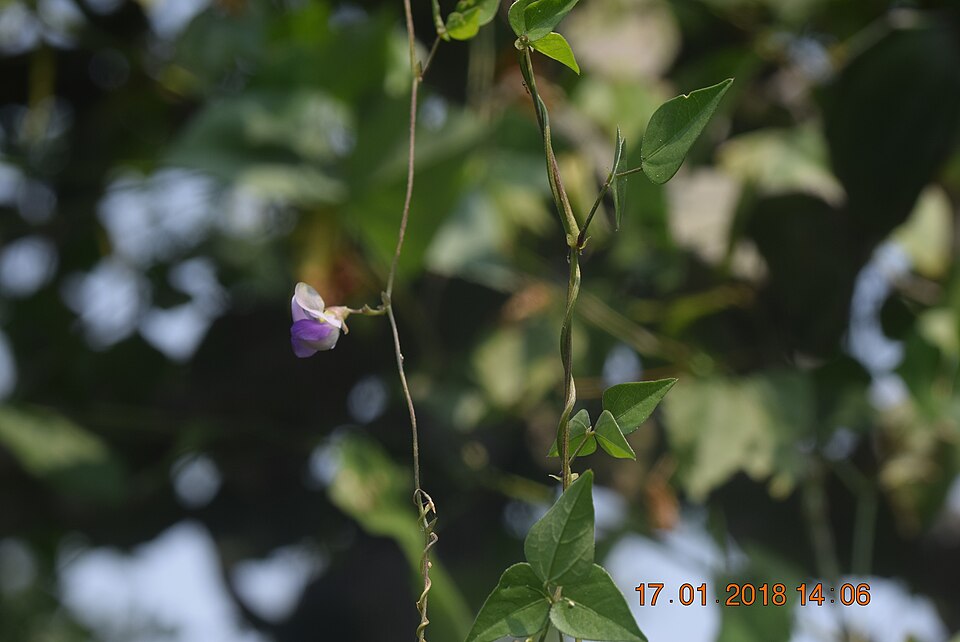
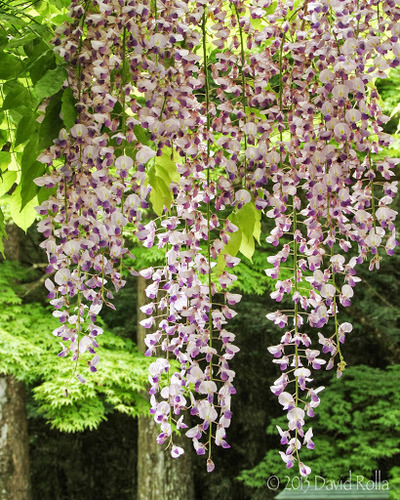
Caesalpinia crista
L.
Wood Gossip, Fever nut, Bonduc nut
iNaturalist· cc-by-nc
(c) fmunoz, some rights reserved (CC BY-NC)
iNaturalist· cc-by-nc
(c) Jamee Moulton, some rights reserved (CC BY-NC)
iNaturalist· cc-by-nc
(c) Jamee Moulton, some rights reserved (CC BY-NC)
Description
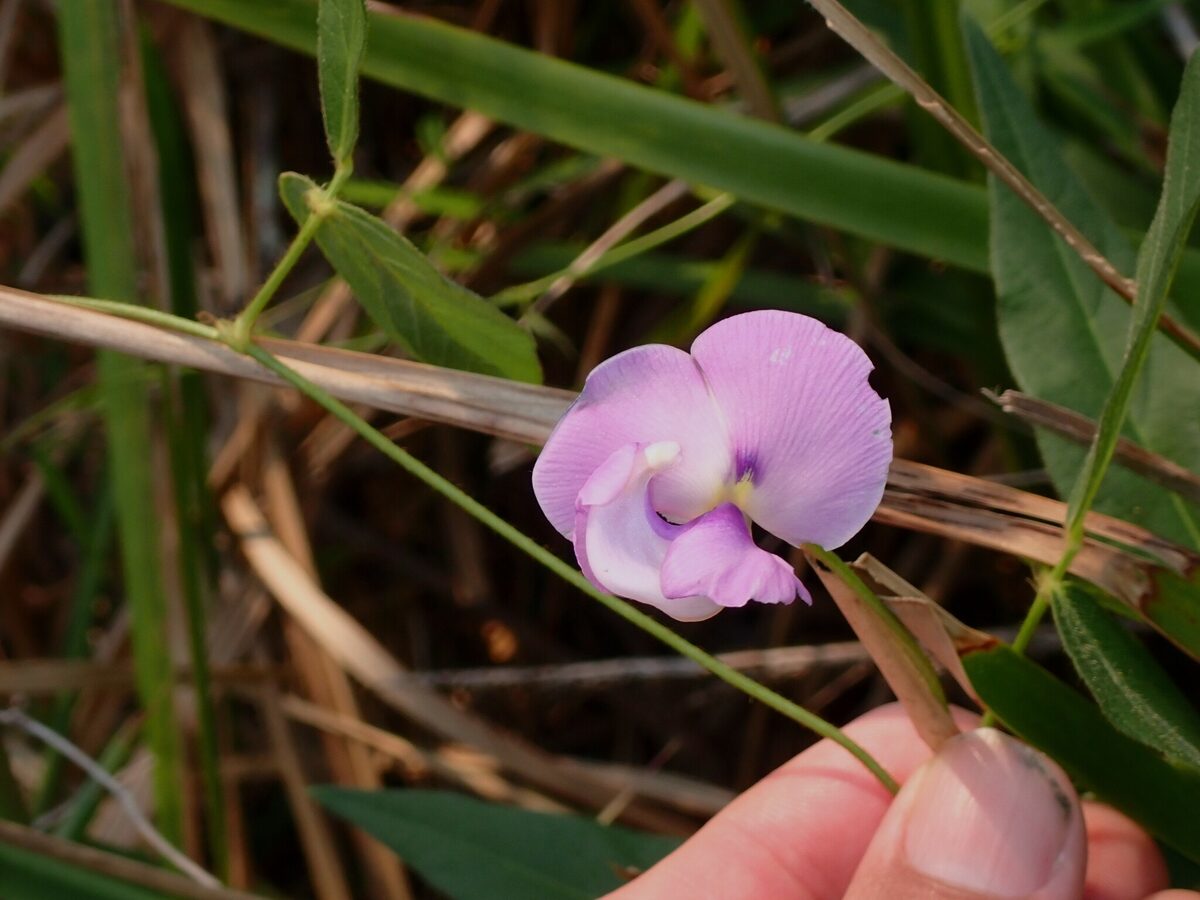
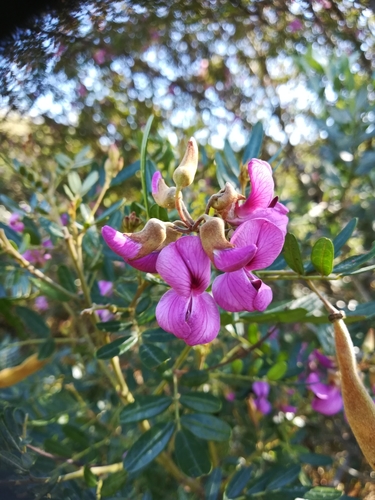
A half woody climber. It may or may not have spines. It grows 3 m high and spreads 3 m wide. The leaves are compound and there are usually curved spines underneath. There are 2-10 leaflets along 2-5 pairs of leaf divisions. The leaflets are 1.5-10 cm long and 1-4 cm wide. The flowers have 5 petals. One petal is yellow and the others are yellow with red veins. They are 5-9 mm long. The fruit is a pod. It is dark brown and 4-7.5 cm long by 2.5-3.5 cm wide. There is usually one dark brown seed. It is 1.5-2.5 cm long.
Traditional Uses
CAUTION: The seeds are poisonous.
This uses section is brief — help expand it
Medicinal Uses
Used in traditional medicine.
Known Hazards
The seeds are poisonous.
Distribution
A tropical plant. It suits tropical regions. It grows in rainforests and mangrove swamps. It needs a rich well-drained soil and a sunny location. It is damaged by drought and frost. It grows on mountain slopes in southern China between 400-1,500 m above sea level.
Where It Grows
Australia, Cambodia, China, India, Indochina, Indonesia, Japan, Malaysia, Myanmar, New Caledonia, Pacific, Papua New Guinea, PNG, Philippines, Ryuku Islands, SE Asia, Sri Lanka, Taiwan, Thailand, Vietnam,
Cultivation
Plants can be grown from seed. The seed need treatment before planting.
Propagation
Seed - pre-soak for 12 - 24 hours in warm water prior to sowing. When large enough to handle, prick the seedlings out into individual pots and grow them on until large enough to plant out. Softwood cuttings in sand in a frame.
Other Uses
Fat from the seeds is used in cosmetic preparations. It is said to soften the skin.
Notes
There are about 150 Caesalpinia species. They grow in the tropics and subtropics. It is used in medicine. Also as Caesalpinaceae.
Synonyms
Also Known As
Akar kelinci, Diepxoan, Gachcha-kaya, Gajaga, Gajagakayi, Grey micker, Kalein, Karanju, Kat-karanja, Kazanchik-kuru, Kazhichikay, Malem, Malin, Nata, Putikaranja, Sagargota, Sugauk-net, Suk yan-bo
References (6)
- Ambasta S.P. (Ed.), 2000, The Useful Plants of India. CSIR India. p 93
- Bodkin, F., 1991, Encyclopedia Botanica. Cornstalk publishing, p 177
- Cooper, W. and Cooper, W., 2004, Fruits of the Australian Tropical Rainforest. Nokomis Editions, Victoria, Australia. p 98
- Sp. pl. 1:380. 1753
- Sukarya, D. G., (Ed.) 2013, 3,500 Plant Species of the Botanic Gardens of Indonesia. LIPI p 908
Show all 6 references Hide references
- Wilson, S., 1997, Some Plants are Poisonous. Reed. p 38