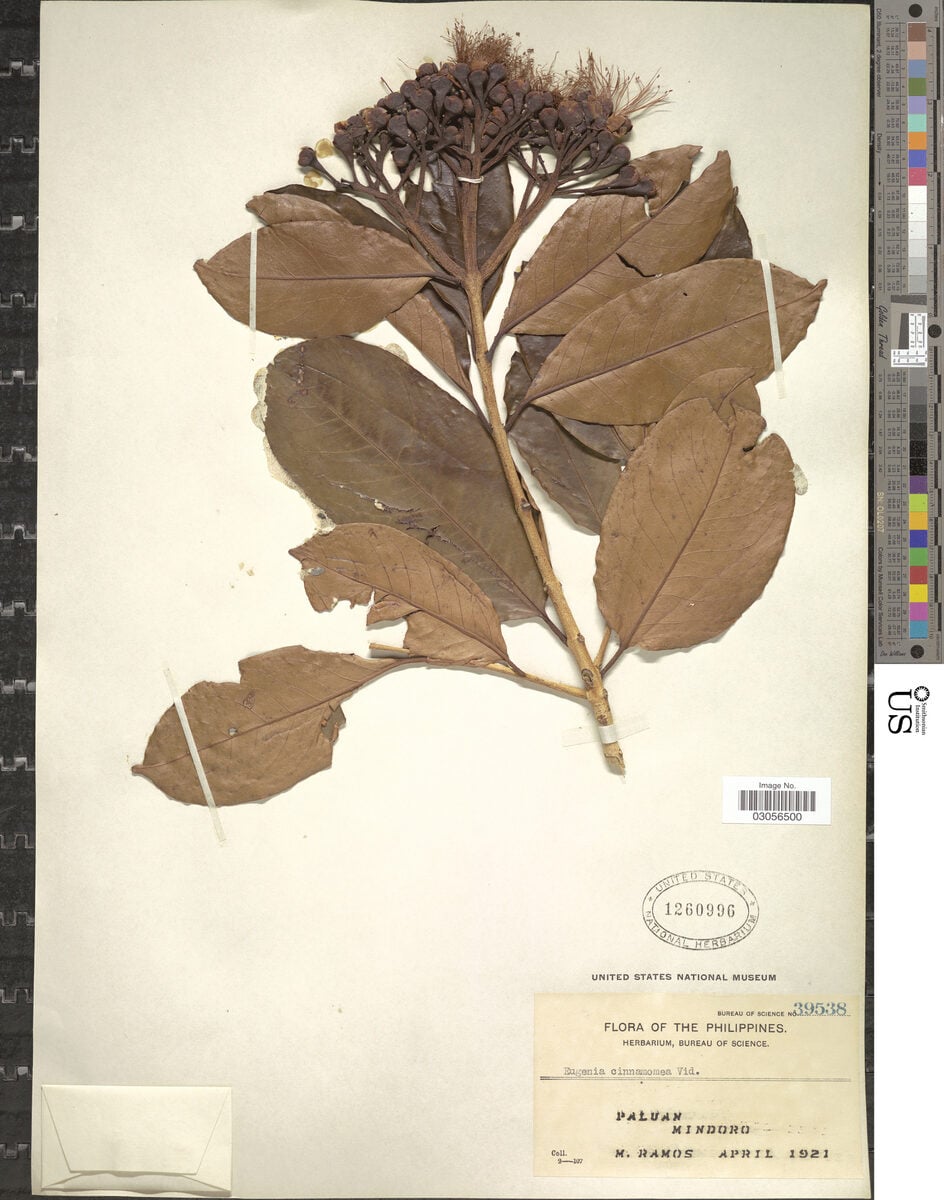
Eugenia foetida
Pers.
Boxleaf eugenia
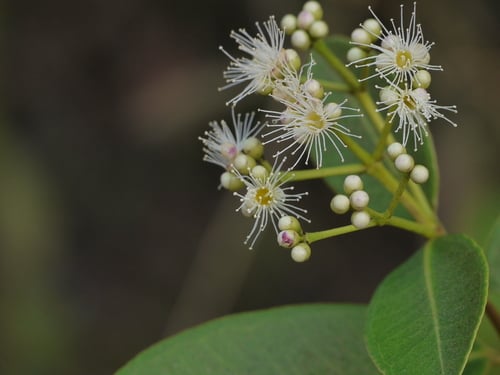
iNaturalist· cc-by-nc
(c) meteorologistsam, some rights reserved (CC BY-NC)
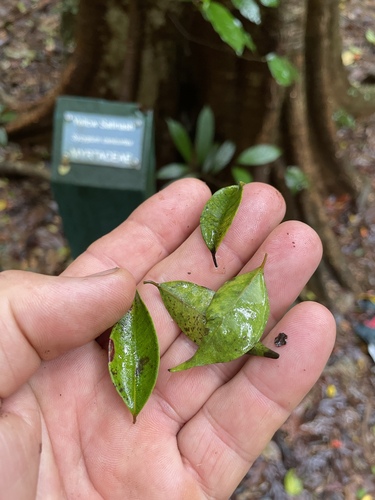
iNaturalist· cc-by-nc
(c) Emily Powell, some rights reserved (CC BY-NC), uploaded by Emily Powell
iNaturalist· cc-by-nc
(c) Martin Reith, some rights reserved (CC BY-NC), uploaded by Martin Reith
Summary
Source: WikipediaEugenia foetida is a member of the family Myrtaceae, the myrtle family, and is colloquially referred to as "Spanish stopper" or "boxleaf stopper." It is found year-round in the understory of mangrove forests, coastal hammocks and dunes in coastal, central to southern Florida, and east in the Bahamas. The species is also native to numerous other parts of the Caribbean as well as in Mexico, Belize and Guatemala.
Description
An evergreen shrub or small tree. It grows 4-12 m tall. The trunk can be 12 cm across.
This description is brief — help expand it
Edible Uses
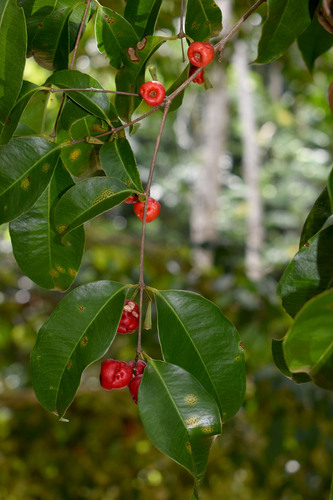
Fruit - raw. Fleshy. The dark red to blackish, globose fruit is up to 12mm long, containing 1 - 2 small seeds.
Distribution
It is a subtropical and tropical plant. It grows in deciduous forest. It occurs near sea level. It can tolerate light frost. It can grow in shady positions. It is best in moist soils but once established can tolerate drought.
Where It Grows
Antilles, Bahamas, Belize, Caribbean, Central America, Cuba, Dominican Republic, Guatemala, Jamaica, Mexico, North America, USA, West Indies,
Cultivation
It can be used as a hedge.
Propagation
Seed - Around 51% of freshly harvested seeds germinated, beginning 69 days after sowing. The seedlings are slow-growing.
Other Uses
The heartwood is a dark reddish-brown, the sapwood is light brown. The close-grained wood is very strong, very heavy and exceedingly hard. It is used locally in cabinet work. The wood is used for fuel. Responding well to trimming, the plant can be used as a hedge.
Synonyms
Also Known As
Anguila, Chilonche
References (2)
- Fern, K., 2012, Tropical Species Database http://theferns.info/tropical/
- Kermath, B. M., et al, 2014, Food Plants in the Americas: A survey of the domesticated, cultivated and wild plants used for Human food in North, Central and South America and the Caribbean. On line draft. p 353