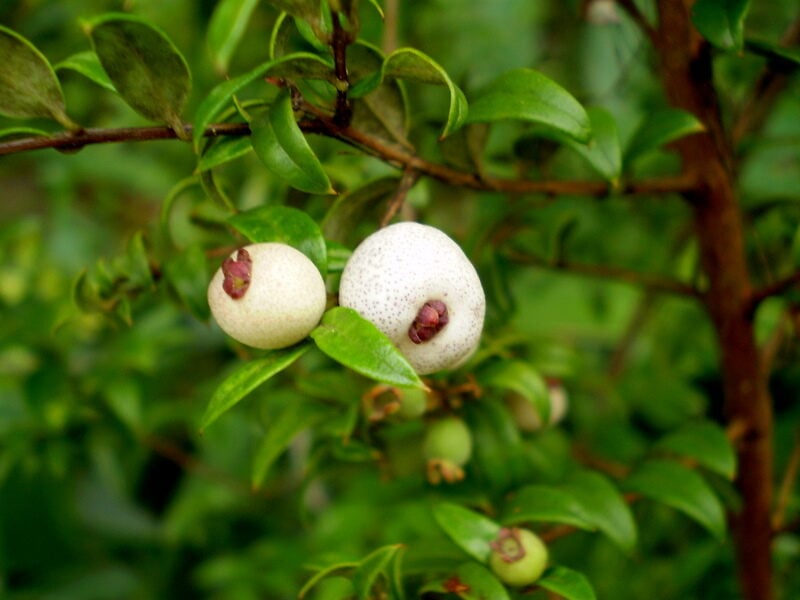
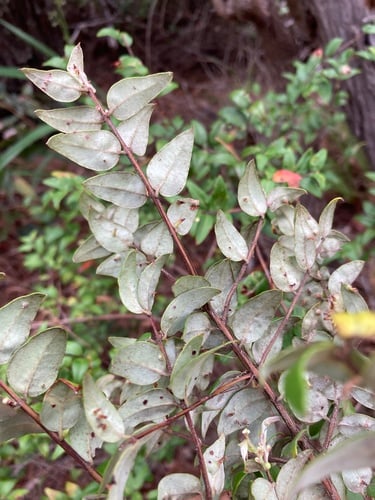
Syzygium praecox
(Roxb.) Rathakr. & N. C. Nair
gbif· cc0
Royal Botanic Garden Edinburgh
gbif· cc0
Royal Botanic Garden Edinburgh
Description
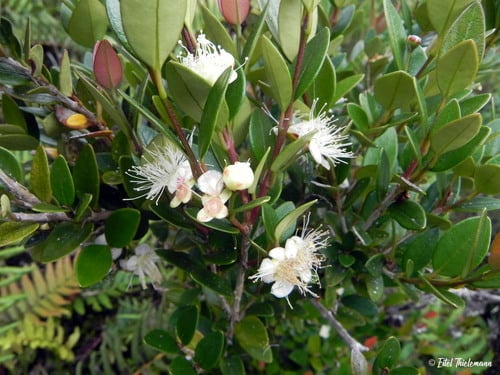
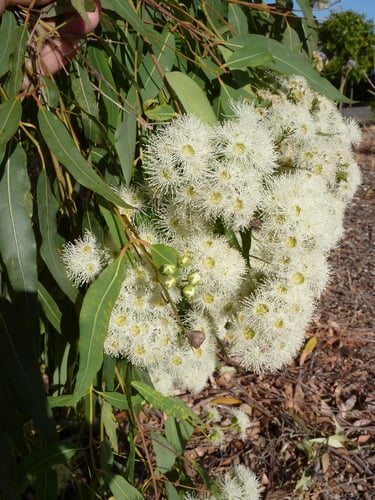
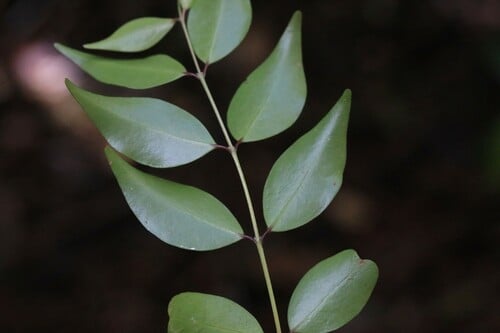
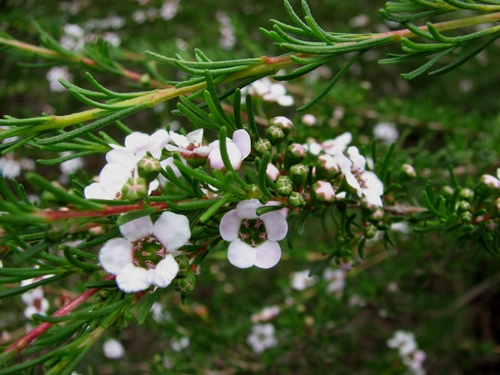
A tropical tree growing 7-10 m tall in the Myrtaceae family, found in evergreen forests. In Thailand it has been recorded at approximately 100 m elevation.
Edible Uses
The ripe fruit are eaten raw.
Traditional Uses
The ripe fruit are eaten raw.
This uses section is brief — help expand it
Distribution
A tropical plant. It grows in evergreen forest. In Thailand it has been recorded at about 100 m above sea level.
Where It Grows
Asia, Bangladesh, India, Indochina, Myanmar, Northeastern India, SE Asia, Thailand,
Production
In NE India plants flower and fruit December to April.
Notes
There are about 550 Eugenia species. They are mostly in tropical and subtropical South America.
Synonyms
Also Known As
Dieng-myrchang, Hmui-fang, Htum-kan-pun, Jongchatchatbudu, Poora jam, Serbai-boga-jamuk, Sun-thabye, Than-thabye
References (7)
- Ambasta, S.P. (Ed.), 2000, The Useful Plants of India. CSIR India. p 211
- Jeeva, S., 2009, Horticultural potential of wild edible fruits used by the Khasi tribes of Meghalaya. Journal or Horticulture and Forestry Vol. 1(9) pp. 182-192 (As Eugenia praecox)
- Kar, A., et al, 2013, Wild Edible Plant Resources used by the Mizos of Mizoram, India. Kathmandu University Journal of Science, Engineering and Technology. Vol. 9, No. 1, July, 2013, 106-126 (As Syzygium praecoxum)
- Pasha, M. K. & Uddin, S. B., 2019, Minor Edible Fruits of Bangladesh. Bangladesh J. Plant Taxon. 26(2): 299–313
- Sawian, J. T., et al, 2007, Wild edible plants of Meghalaya, North-east India. Natural Product Radiance Vol. 6(5): p 417
Show all 7 references Hide references
- Singh, B., et al, 2012, Wild edible plants used by Garo tribes of Nokrek Biosphere Reserve in Meghalaya, India. Indian Journal of Traditional Knowledge. 11(1) pp 166-171
- Singh, H.B., Arora R.K.,1978, Wild edible Plants of India. Indian Council of Agricultural Research, New Delhi. p 59