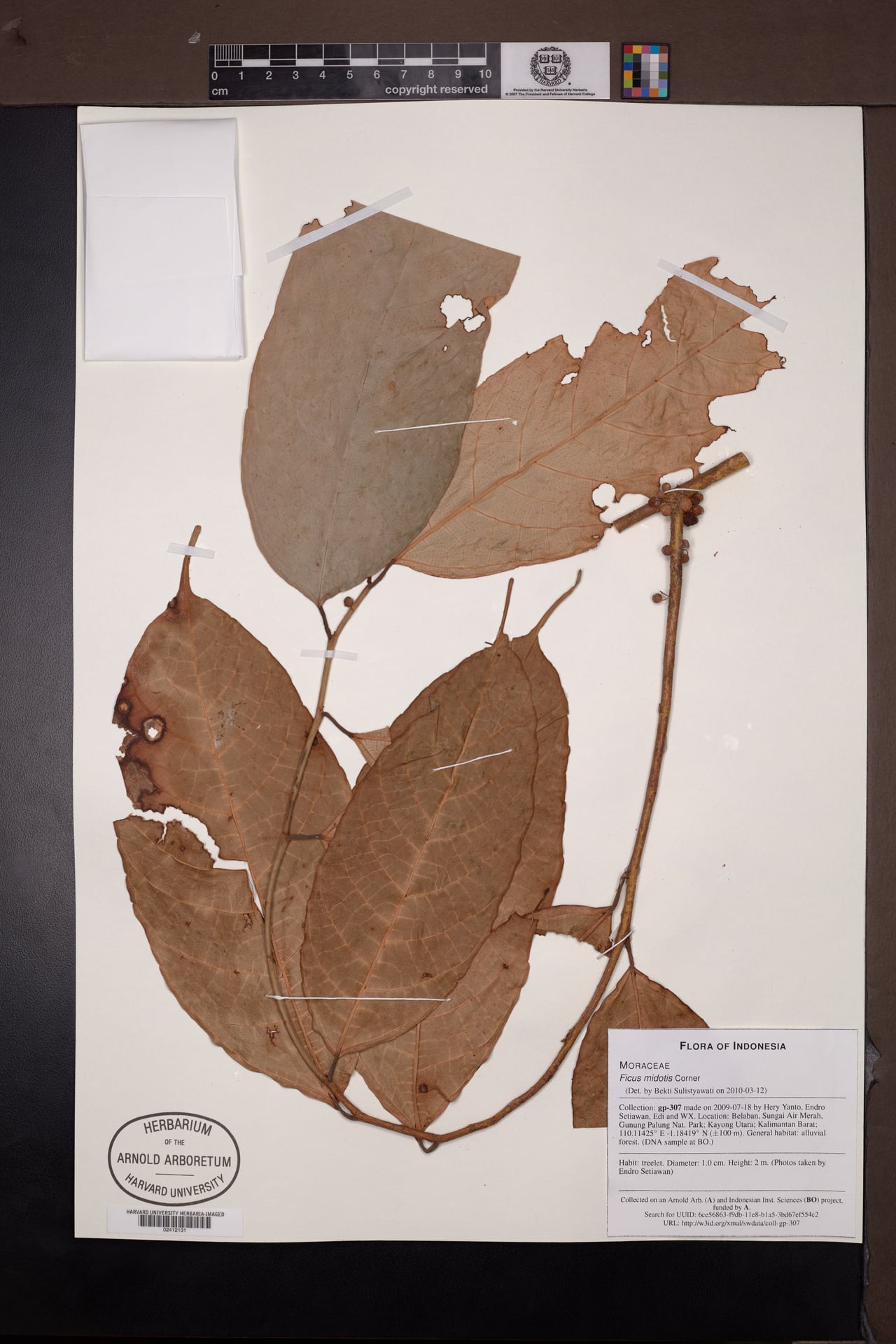
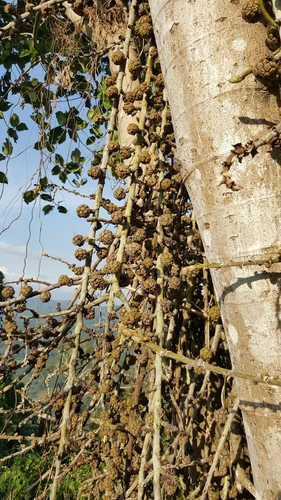
Ficus infectoria
Roxb.
Moraceae Edible: Fruit, Leaves, Flowers
wikimedia· cc0
Wikimedia Commons - Forestowlet
wikimedia· cc-by-sa
Wikimedia Commons - Vinayaraj
Description
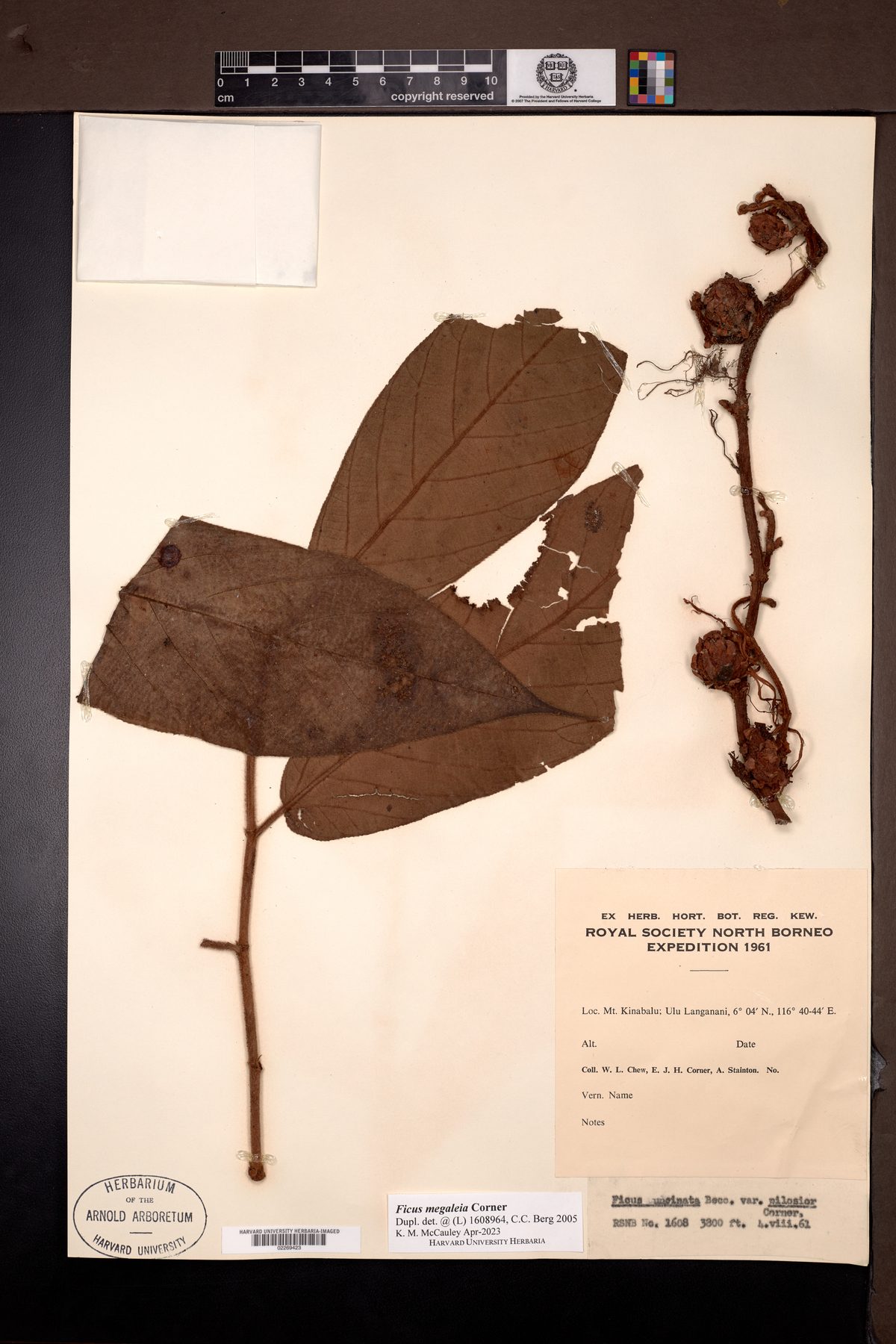
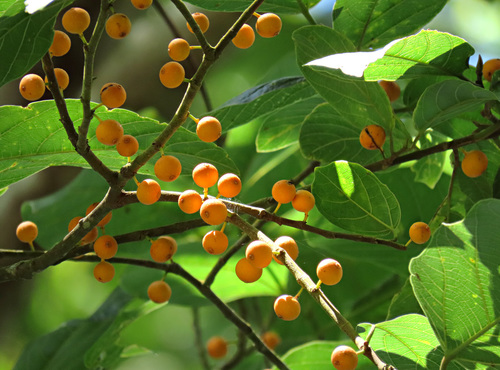
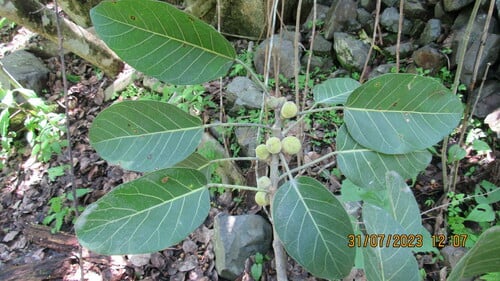
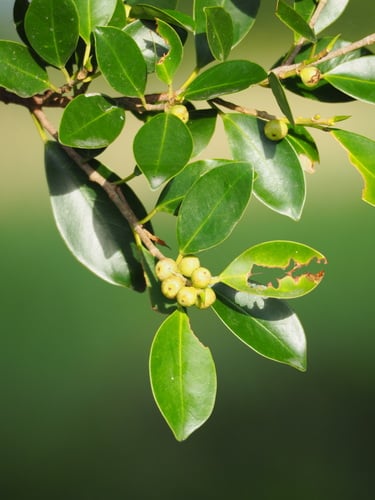
A fig. It is a large spreading tree. It can start growing attached to other plants. It can send down aerial roots. The leaves are 10-12 cm long. The fruit or figs are usually in pairs.
Edible Uses
The young leaves are used as a vegetable. The fruit and flowers are also edible.
Traditional Uses
The young leaves are used as a vegetable.
This uses section is brief — help expand it
Distribution
It is a tropical plant.
Where It Grows
Asia, Himalayas, India, Indochina, Malaysia, Northeastern India, SE Asia, Sikkim, Thailand,
Notes
This is probably now Ficus lacor Buch.-Ham.;
Also Known As
Kabra, Liap, Pakar, Pakare, Poroh
References (12)
- Burkill, I.H., 1966, A Dictionary of the Economic Products of the Malay Peninsula. Ministry of Agriculture and Cooperatives, Kuala Lumpur, Malaysia. Vol 1 (A-H) p 1027 (As Ficus infectoria)
- Chettri, N. & Sharma, E., Non-timber Forest Produce: Utilization, Distribution and Status in the Khangchendzonga Biosphere Reserve, Sikkim, India.
- Dey, A. & Mukhererjee, A., 2015, Living and Survival Amidst Hunger: Wild Edible Botanicals as a Prime Forest Productivity in the Rural Purulia District, West Bengal, India from Colonial to Present. Research Journal of Forestry 9(3): 71-86
- Dobriyal, M. J. R. & Dobriyal, R., 2014, Non Wood Forest Produce an Option for Ethnic Food and Nutritional Security in India. Int. J. of Usuf. Mngt. 15(1):17-37
- Hedrick, U.P., 1919, (Ed.), Sturtevant's edible plants of the world. p 308 (As Ficus infectoria)
Show all 12 references Hide references
- Kachenchart, B., et al, 2008, Phenology of Edible Plants at Sakaerat Forest. In Proceedings of the FORTROP II: Tropical Forestry Change in a Changing World. Bangkok, Thailand.
- Kala, C. P., 2009, Aboriginal uses and management of ethnobotanical species in deciduous forests of Chhattisgarh state in India. Journal of Ethnobiology and Ethnomedicine. 5:32 (As Ficus infectoria)
- Nakahara, K. et al, 2002, Antimutagenicity of Some Edible Thai Plants, and a Biocative Carbazole Alkaloid, Mahanine, Isolated from Micromelum minutum. Journal of Agricultural and Food Chemistry. 50: 4796-4892 (As Ficus infectoria)
- Savita, et al, 2006, Studies on wild edible plants of ethnic people in east Sikkim. Asian J. of Bio Sci. (2006) Vol. 1 No. 2 : 117-125
- Sharma, G., et al, 2016, Agrobiodiversity in the Sikkim Himalaya. International Centre for Integrated Mountain Development, ICIMOD Working Paper 2016/5 p 20
- Sundriyal, M., et al, 1998, Wild edibles and other useful plants from the Sikkim Himalaya, India. Oecologia Montana 7:43-54 (As Ficus infectoria)
- Sundriyal, M., et al, 1998, Wild edibles and other useful plants from the Sikkim Himalaya, India. Oecologia Montana 7:43-54 (As Ficus infectoria L.)