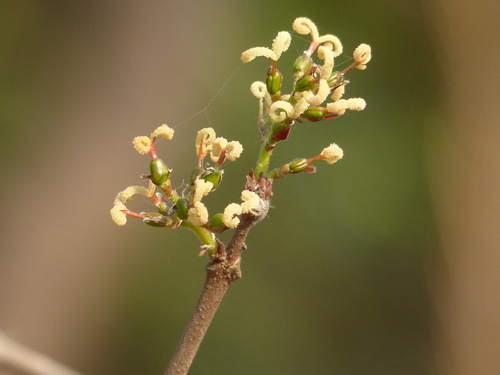
Manihot grahamii
Hook.
Graham cassava, Hardy tapioca
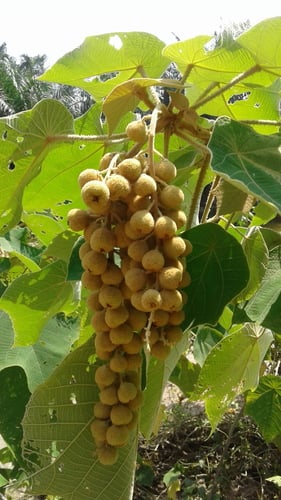
iNaturalist· cc-by-nc
(c) r-ento, some rights reserved (CC BY-NC), uploaded by r-ento
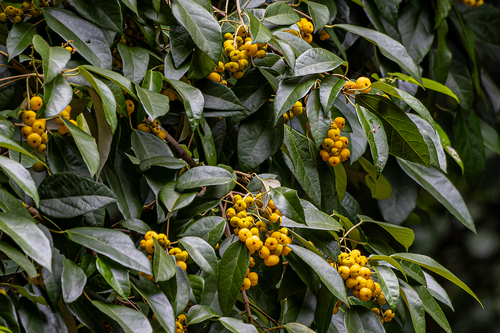
iNaturalist· cc-by
(c) Rosario, some rights reserved (CC BY), uploaded by Rosario
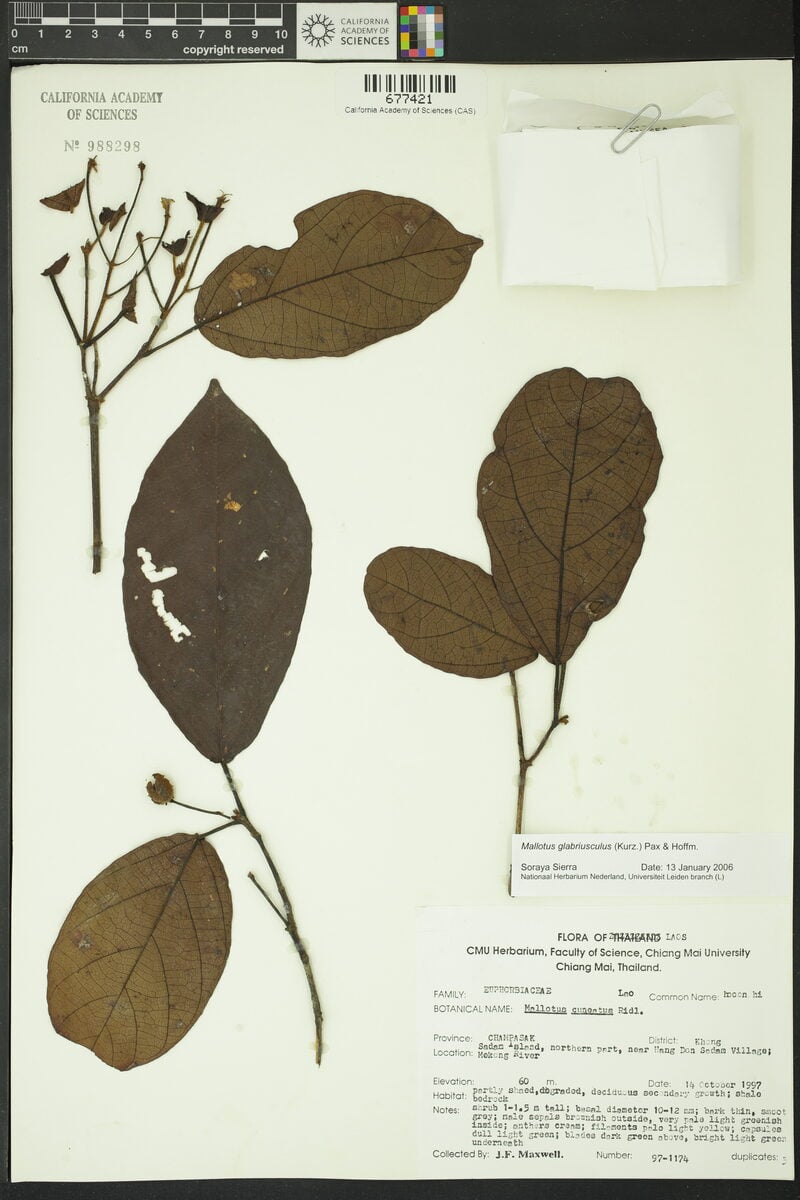
iNaturalist· cc0
no rights reserved, uploaded by Hugo Hulsberg
Summary
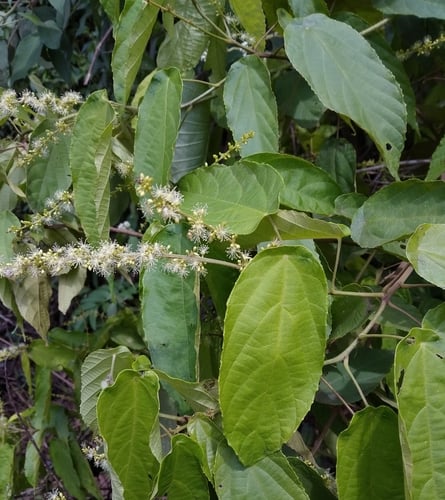
Source: WikipediaManihot grahamii is a shrub or treelet in the family Euphorbiaceae. This fast-growing species is closely related to Manihot esculenta, the edible tapioca. Growing up to 3 metres (10 feet) tall, it bears striking palmate leaves, and pale green bell-shaped flowers in summer. It is native to South America, including southern Brazil, Uruguay, Paraguay and Argentina.
Description
A tree. It grows 3-7 m tall.
This description is brief — help expand it
Distribution
It is a tropical plant.
Where It Grows
Africa, Argentina, Bolivia, Brazil, East Africa, Paraguay, South America, Tanzania, Uruguay,
Synonyms
Also Known As
Cafe falso, Falso cafeto, Guazu mandio, Guaza-mandioca, Kisamvu, Mandioca-brava, Sacha-mandioca
References (2)
- Anon., 2000, The Role of Non Wood Forest products in Food Security and Income Generation. Report. Tanzania. p
- Grandtner, M. M. & Chevrette, J., 2013, Dictionary of Trees, Volume 2: South America: Nomenclature, Taxonomy and Ecology. Academic Press p 379