Acalypha racemosa
Wall. ex Baill.
Odukwe
gbif· cc-by
French Institute of Pondicherry
gbif· cc-by
French Institute of Pondicherry
gbif· cc-by-sa
GBIF
Description
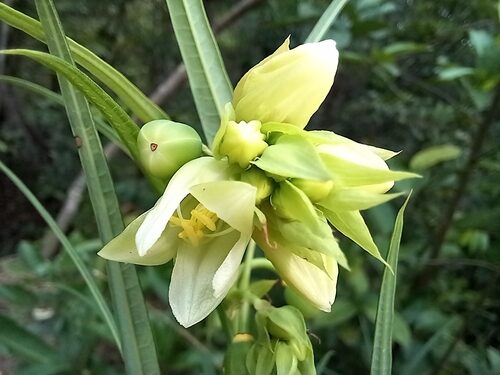
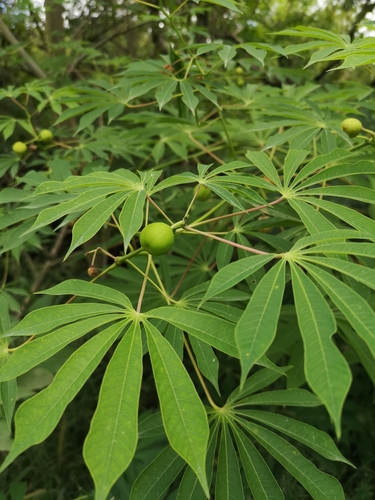
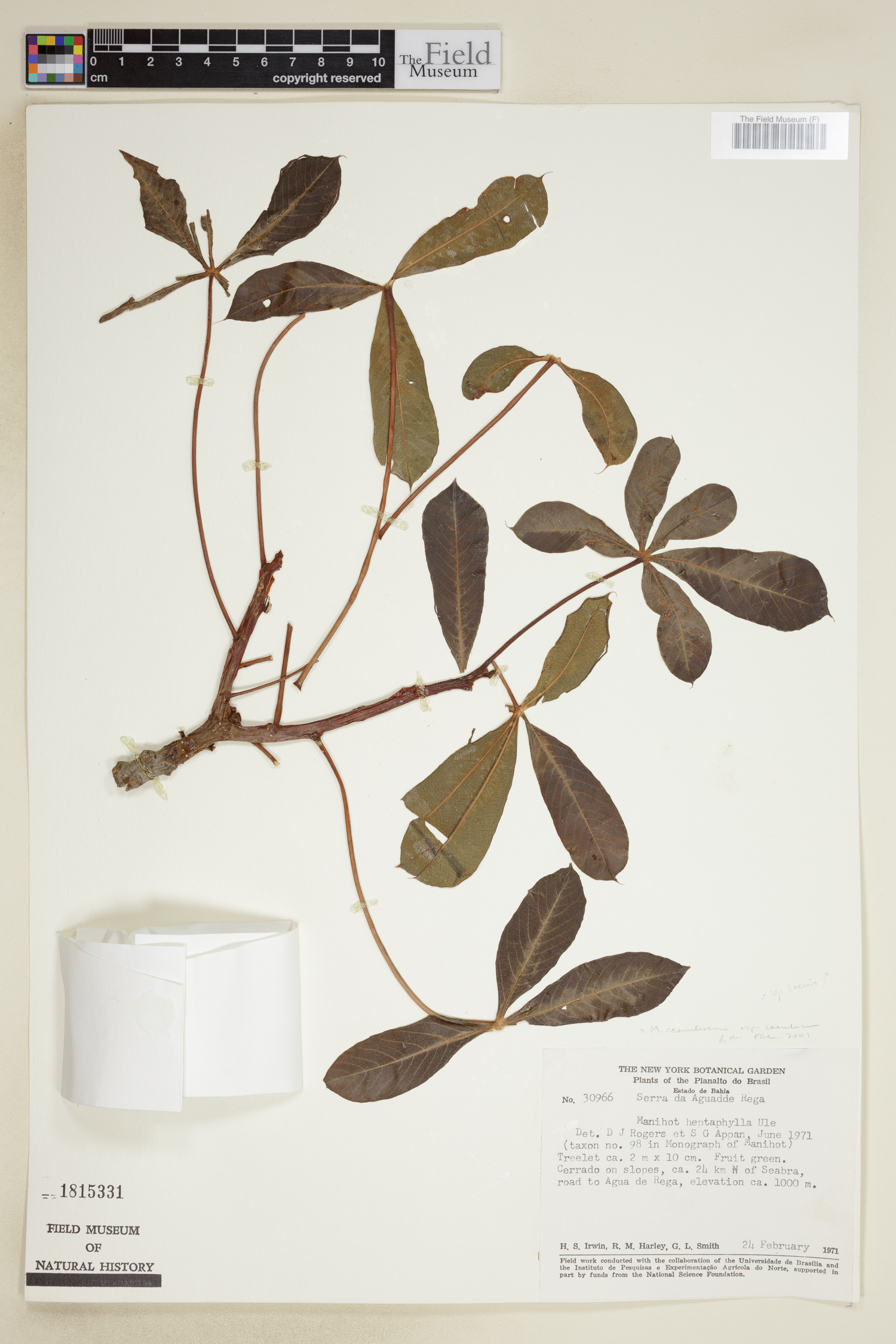
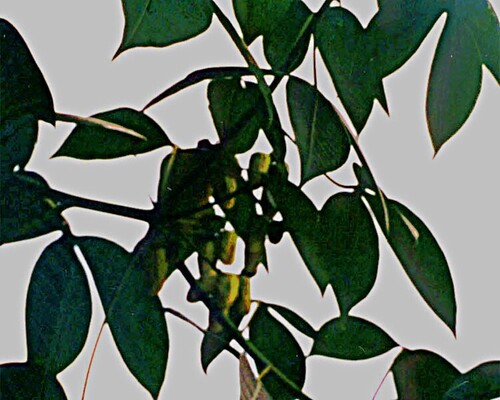
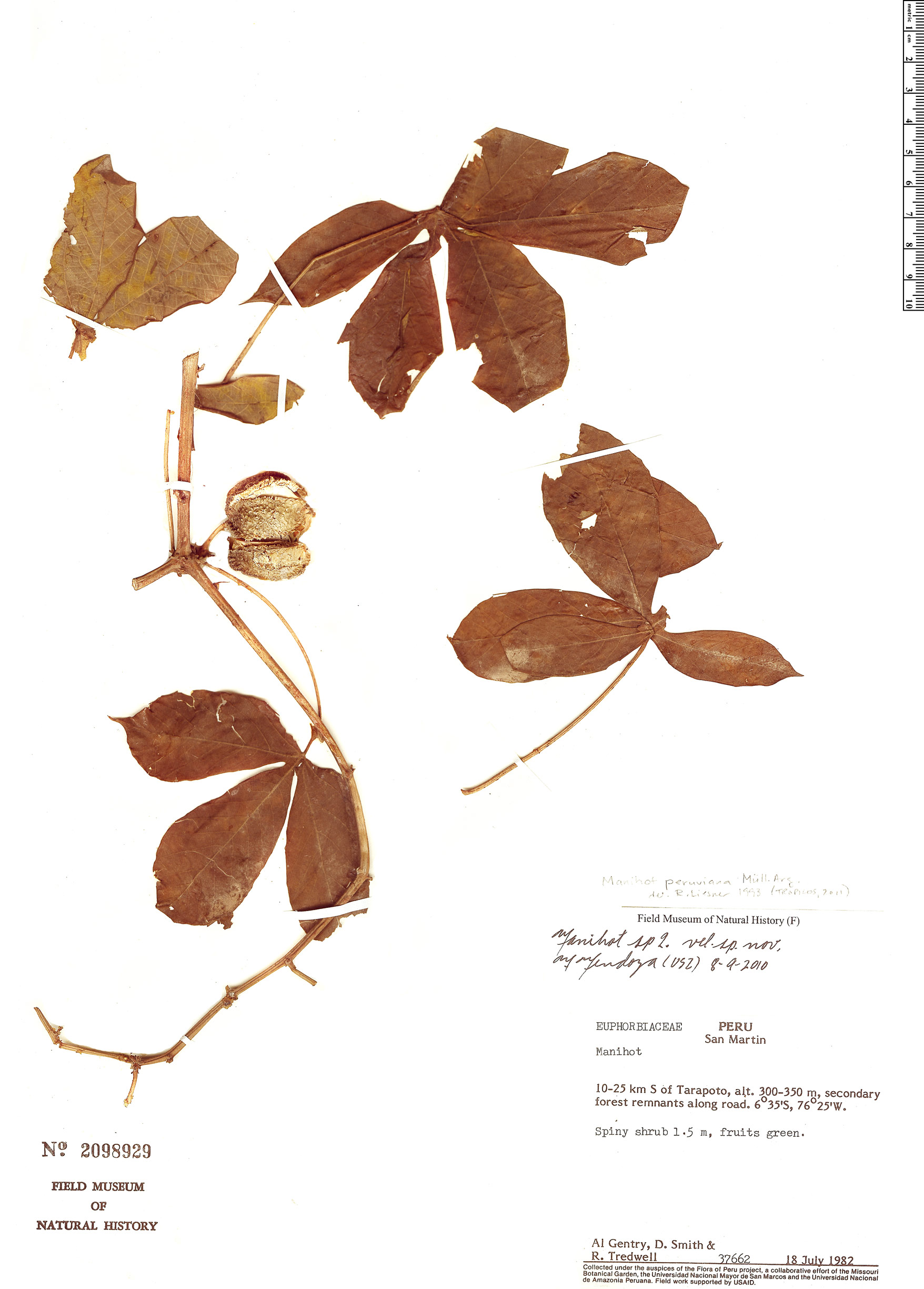
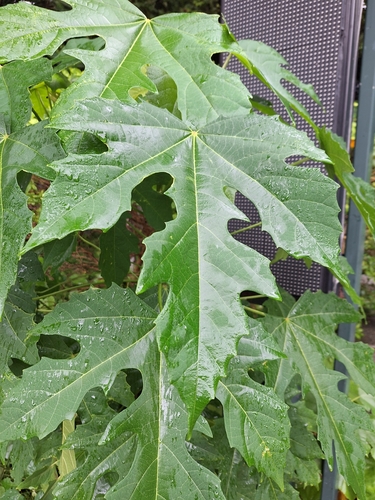
A shrub or small tree. It grows 5 m tall. There are prickles along the stem. The leaves are twice divided and there are 8-18 pairs of pinnae. There are up to 50 pairs of pinnules on each pinnae. The flowers are yellow. They are in large clusters at the ends of branches. The pods are flattened.
Edible Uses
The leaves are eaten as a vegetable.
Distribution
A tropical plant. It grows in the understorey at low altitudes in evergreen forest between 320-1,220 m above sea level.
Where It Grows
Africa, Angola, Asia, Central Africa, Congo, Côte d'Ivoire, East Africa, Eritrea, Kenya, India, Indonesia, Ivory Coast, Malawi, Mozambique, Nigeria, Rwanda, SE Asia, Sri Lanka, Sudan, Tanzania, Uganda, West Africa, Zimbabwe,
Notes
There are over 450 Acalypha species. They are tropical. There are 225 in tropical America.
Synonyms
Also Known As
Abumu
References (9)
- Ambasta S.P. (Ed.), 2000, The Useful Plants of India. CSIR India. p 8 (As Acalypha paniculata)
- Goode, P., 1989, Edible Plants of Uganda. FAO p 39
- Grivetti, L. E., 1980, Agricultural development: present and potential role of edible wild plants. Part 2: Sub-Saharan Africa, Report to the Department of State Agency for International Development. p 42
- Jardin, C., 1970, List of Foods Used In Africa, FAO Nutrition Information Document Series No 2.p 50 (As Acalypha paniculata)
- Martin, F.W. & Ruberte, R.M., 1979, Edible Leaves of the Tropics. Antillian College Press, Mayaguez, Puerto Rico. p 191 (As Acalypha paniculata)
Show all 9 references Hide references
- Peters, C. R., O'Brien, E. M., and Drummond, R.B., 1992, Edible Wild plants of Sub-saharan Africa. Kew. p 108
- Tallantire & Goode, 1975,
- Terra, G.J.A., 1973, Tropical Vegetables. Communication 54e Royal Tropical Institute, Amsterdam, p 18 (As Acalypha paniculata)
- World Checklist of Useful Plant Species 2020. Royal Botanic Gardens, Kew (As Acalypha paniculata)