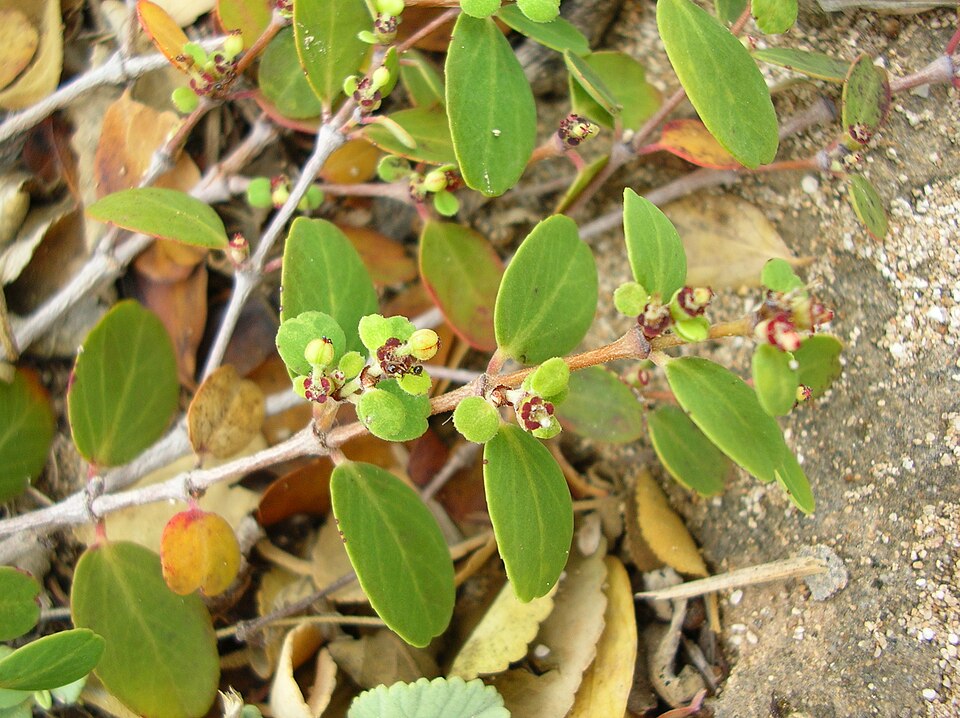
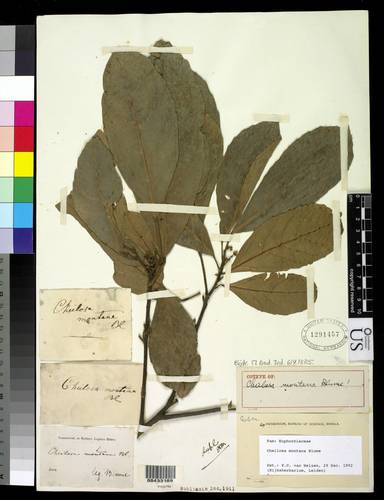
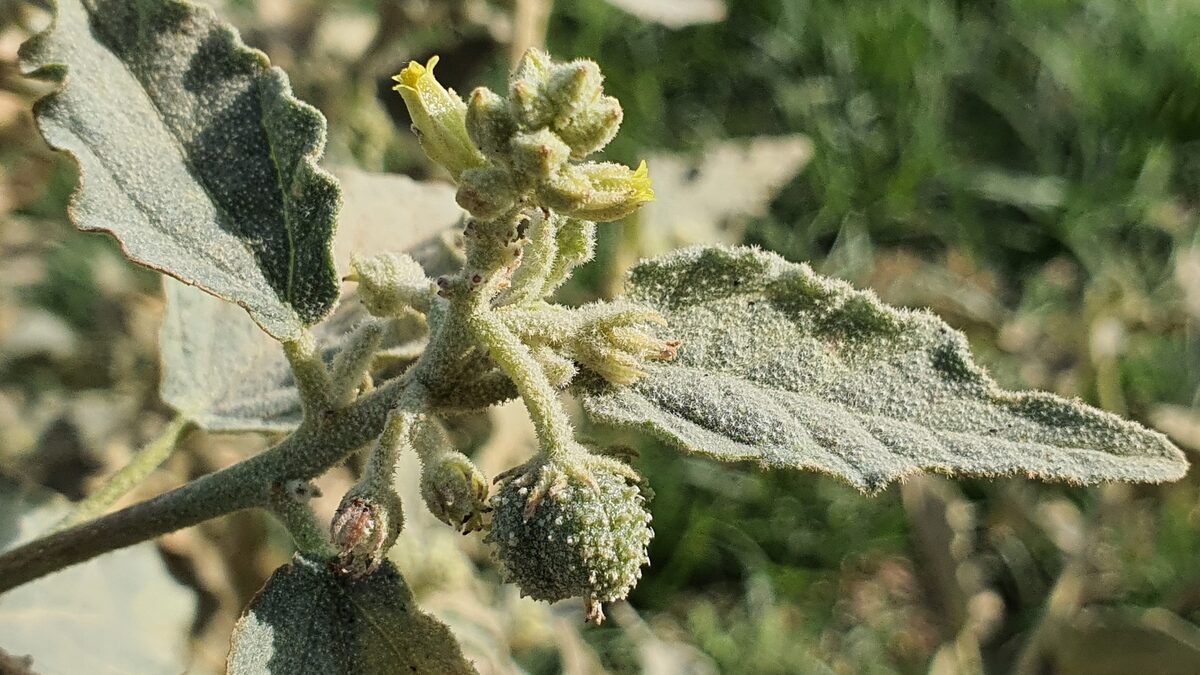
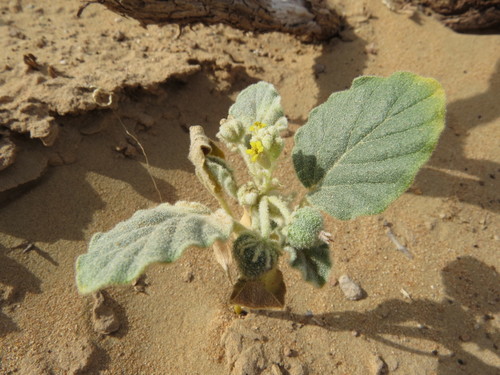
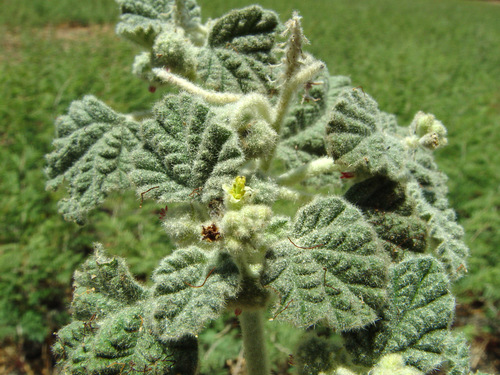
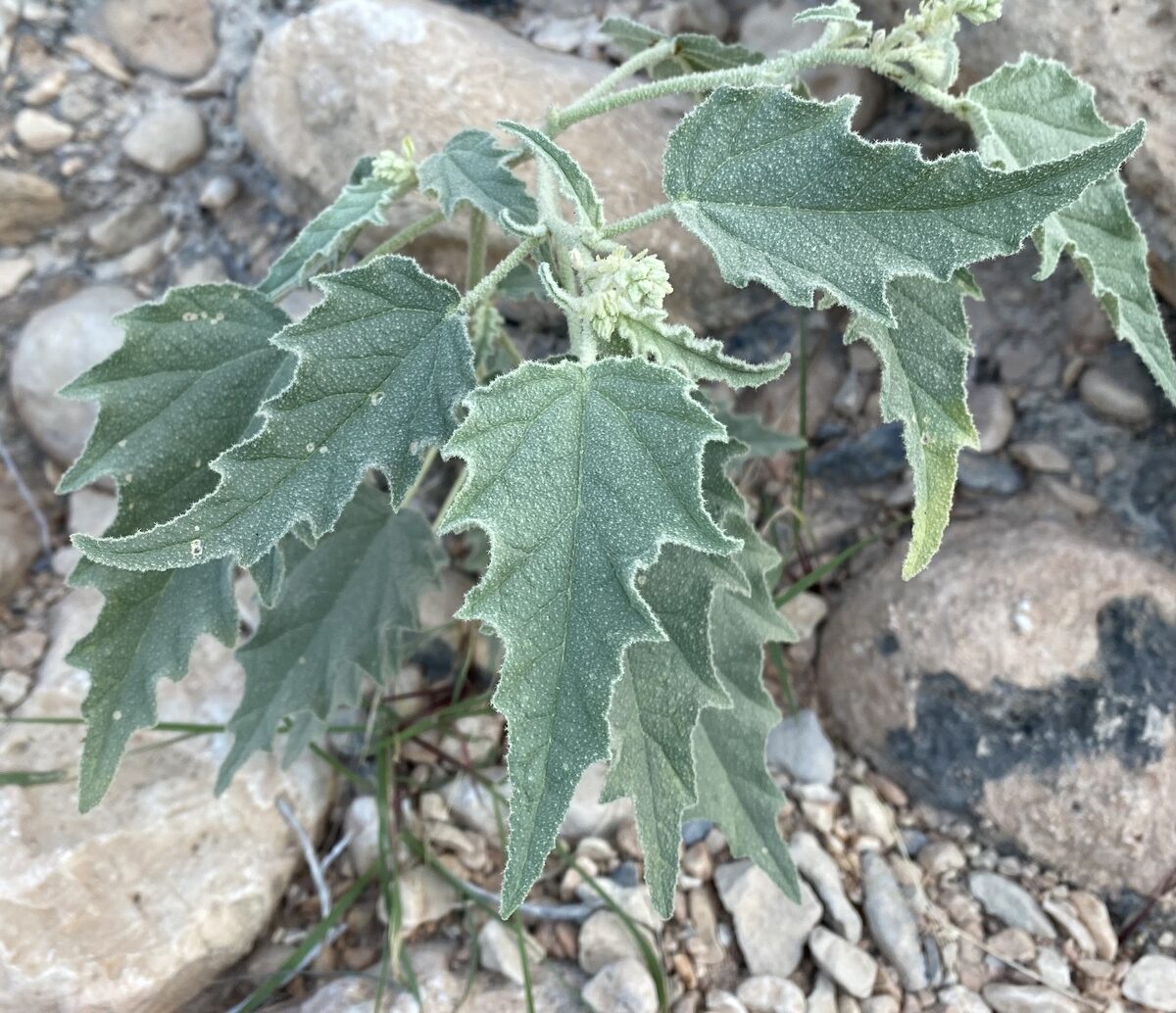
Acalypha segetalis
Mull. Arg.
iNaturalist· cc-by-nc
(c) Jesse Kalwij, some rights reserved (CC BY-NC), uploaded by Jesse Kalwij
iNaturalist· cc-by-nc
(c) Jesse Kalwij, some rights reserved (CC BY-NC), uploaded by Jesse Kalwij
iNaturalist· cc-by-nc
(c) Bart Wursten, some rights reserved (CC BY-NC)
Description
A shrub or small tree. It grows 5 m tall. There are prickles along the stem. The leaves are twice divided and there are 8-18 pairs of pinnae. There are up to 50 pairs of pinnules on each pinnae. The flowers are yellow. They are in large clusters at the ends of branches. The pods are flattened.
Edible Uses
The leaves are cooked and eaten as a vegetable, used in sauces, and for flavouring.
Traditional Uses
The leaves are cooked and eaten as a vegetable. They are used in sauces, and for flavouring. Caution: It should probably only be eaten in small amounts.
Known Hazards
Should probably only be eaten in small amounts.
Distribution
It is a tropical plant. It grows in floodplains. It southern Africa it grows from sea level to 1,500 m altitude.
Where It Grows
Africa, Angola, Botswana, Burkina Faso, Cameroon, Central Africa, Central African Republic, CAR, Congo, East Africa, Ethiopia, Kenya, Malawi, Mozambique, Namibia, Niger, Nigeria, Sahel, Senegal, Sierra Leone, South Africa, Southern Africa, Uganda, West Africa, Zambia, Zimbabwe,
Notes
There are over 450 Acalypha species. They are tropical. There are 225 in tropical America.
Synonyms
Also Known As
Dendji
References (4)
- Burkill, H. M., 1985, The useful plants of west tropical Africa, Vol. 3. Kew.
- Gallagher, D. E., 2010, Farming beyond the escarpment: Society, Environment, and Mobility in Precolonial Southeastern Burkina Faso. PhD University of Michigan.
- Jansen, P.C.M., 2004. Acalypha bipartita Müll.Arg. [Internet] Record from Protabase. Grubben, G.J.H. & Denton, O.A. (Editors). PROTA (Plant Resources of Tropical Africa / Ressources végétales de l’Afrique tropicale), Wageningen, Netherlands. < http://database.prota.org/search.htm>. Accessed 13 October 2009.
- World Checklist of Useful Plant Species 2020. Royal Botanic Gardens, Kew