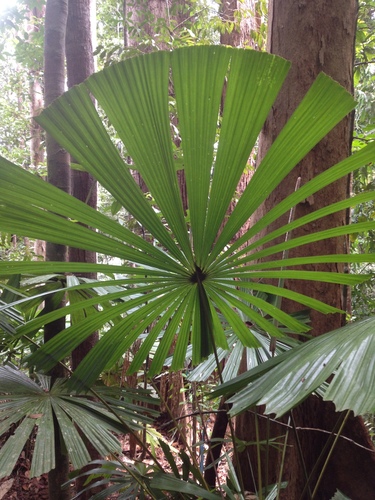
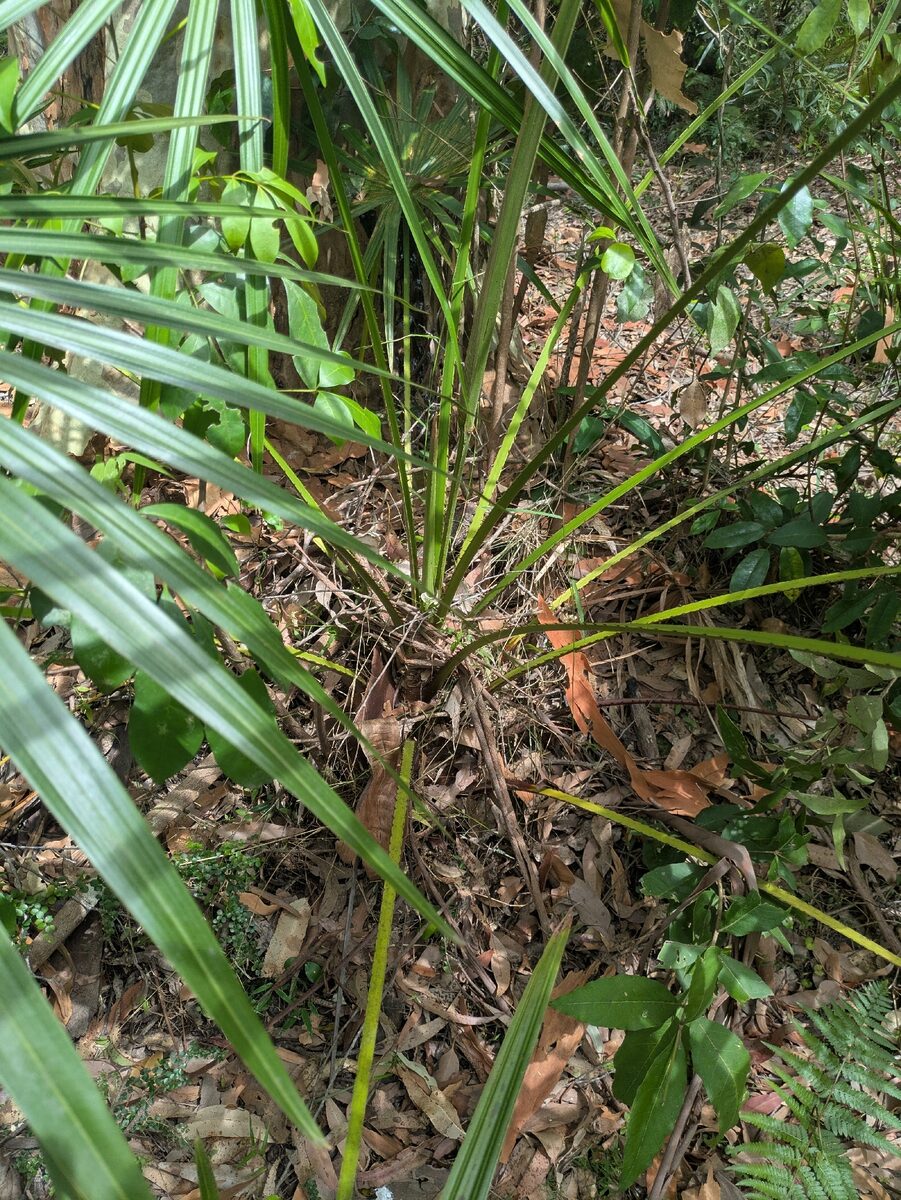
Butia catarinensis
Noblick & Lorenzi
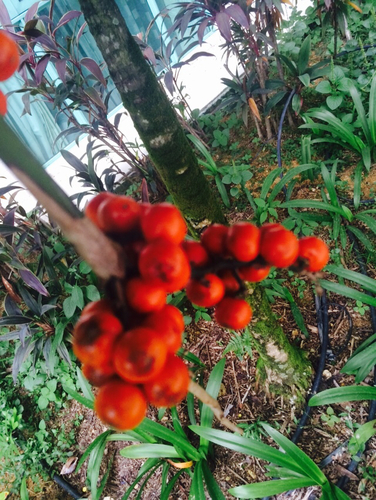
Coastal jelly palm
iNaturalist· cc-by-nc
(c) João Gava Just, some rights reserved (CC BY-NC), uploaded by João Gava Just
iNaturalist· cc-by
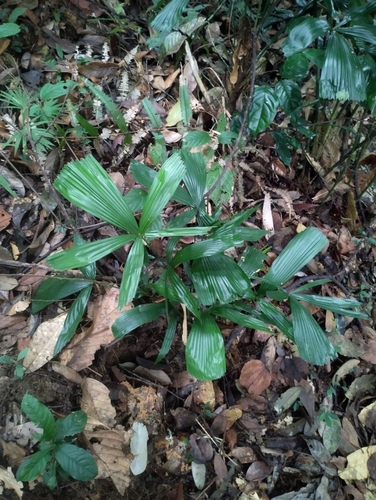
(c) Fabrício Mil Homens Riella, some rights reserved (CC BY)
iNaturalist· cc-by
(c) Fabrício Mil Homens Riella, some rights reserved (CC BY)
Summary
Source: WikipediaButia catarinensis is a mid-sized species of Butia palm native to the states of Rio Grande do Sul, Santa Catarina in Brazil.
Description
A small palm. It grows in dense clusters. It grows 2 m high.
This description is brief — help expand it
Edible Uses
The edible fruit of this palm are collected for myriad uses where the trees grow naturally in Brazil.
Traditional Uses
The fruit is used for juice, jellies, jams, and ice cream.
This uses section is brief — help expand it
Distribution
It is a tropical plant.
Where It Grows
Brazil*, South America,
Nutrition
| Part | Moisture | kJ | kcal | Protein | Vit A | Vit C | Iron | Zinc |
|---|---|---|---|---|---|---|---|---|
| Fruit | 82.8 | 265 | 64 | 0.9 | — | 81.3 | 0.3 | 0.2 |
Also Known As
Butia, Butiazeiro-anao-da-praia
References (7)
- Barbieri, R. L., et al, 2014, Agricultural Biodiversity in Southern Brazil: Integrating Efforts for Conservation and Use of Neglected and Underutilized Species. Sustainability 6:741-757
- Brack, P., et al, 2020, Frutas nativas do Rio Grande do Sul, Brasil: riqueza e potencial alimentício. Native fruits of Rio Grande do Sul, Brazil: richness and potential as food. Rodriguésia 71: e03102018.
- Brazil: Biodiversity for Food and Nutrition
- Coradin, L. et al (Eds), 2011, Especies Nativas da Flora Brasileira de Valor Economico Atual ou Potencial. Brasilia MMA. p 130
- Hunter, D., et al, 2019, The potential of neglected and underutilized species for improving diets and nutrition. Planta (2019) 250:709-729
Show all 7 references Hide references
- Kumagai, L. & Hanazaki, N., 2013, Ethnobotanical and ethnoecological study of Butia catarinensis Noblick & Lornezi: contributions to the conservation of an endangered area in southern Brazil. Acta Botanica Brasilica 27(1): 13-20
- Leal, M. L. et al, 2018, Knowledge, use, and disuse of unconventional food plants. Journal of Ethnobiology and Ethnomedicine (2018) 14:6