Tetrastigma obovatum
Gagnep.
iNaturalist· cc-by-nc
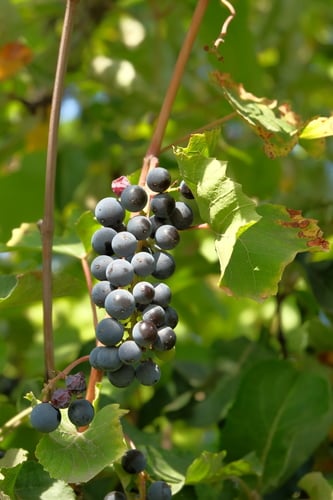
(c) JODY HSIEH, some rights reserved (CC BY-NC), uploaded by JODY HSIEH
iNaturalist· cc-by-nc
(c) JODY HSIEH, some rights reserved (CC BY-NC)
Description
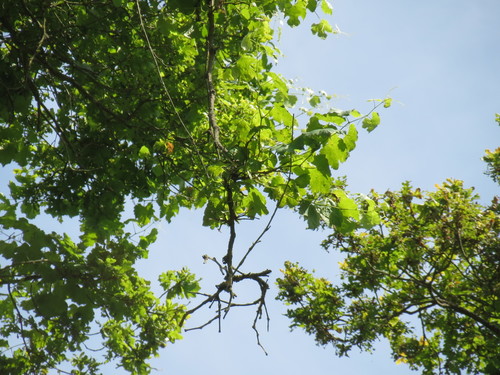
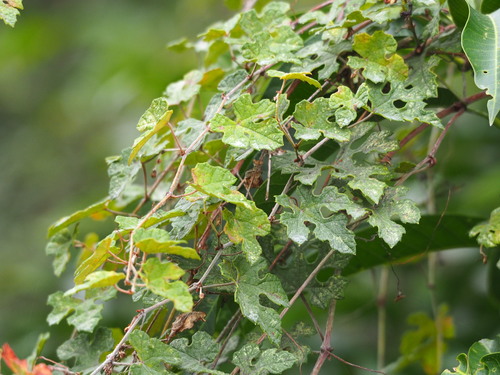
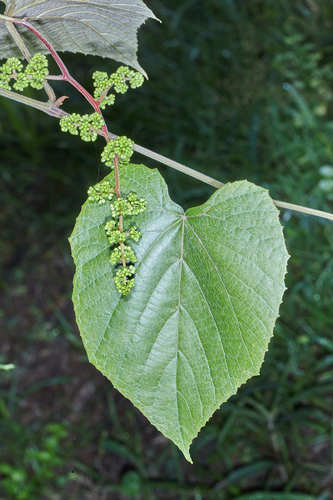
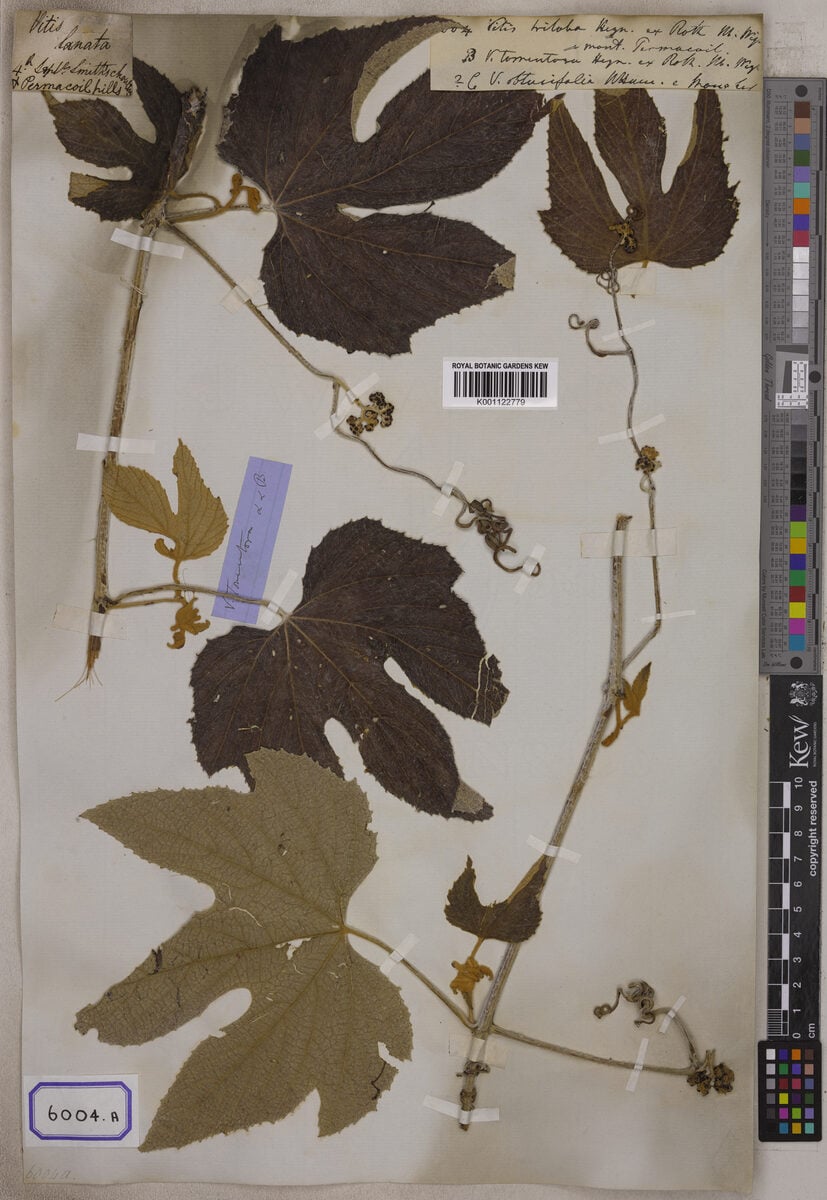
A vine. It is a woody creeper. The stems are slightly flat and have ridges along them. They are hairy. The leaves have 5 leaflets arranged like fingers on a hand. They are hairy underneath. The side leaflets are narrowly oval and 7-20 cm long by 4-10 cm wide. There are teeth along the edge. The fruit is a round orange berry. It is 2-3 cm across. There are 2 or 3 seeds.
Edible Uses
The round orange fruit is eaten raw. The leaves are used to impart a sour taste to dishes.
Traditional Uses
The fruit are eaten raw. The leaves are used to give a sour taste.
This uses section is brief — help expand it
Distribution
It is a tropical plant. It grows on the edges of forests and in valleys between 200-1,900 m above sea level in southern China. It grows in Yunnan in China.
Where It Grows
Asia, China, India, Indochina, Laos, Myanmar, Northeastern India, SE Asia, Thailand, Vietnam,
Synonyms
Also Known As
Rieza
References (4)
- Chase, P. & Singh, O. P., 2016, Bioresources of Nagaland: A Case of Wild 4 Edible Fruits in Khonoma Village Forest. in J. Purkayastha (ed.), Bioprospecting of Indigenous Bioresources of North-East India. p 51
- Flora of China.
- Ghorbani, A., et al, 2012, A comparison of the wild food plant use knowledge of ethnic minorities in Naban River Watershed Nature Reserve, Yunnan, SW China. Journal of Ethnobiology and Ethnomedicine; 8:17
- Suksri, S., et al, 2005, Ethnobotany in Bung Khong Long Non-Hunting Area, Northeast Thailand. Kasetsart J., (Nat. Sci) 39: 519-533