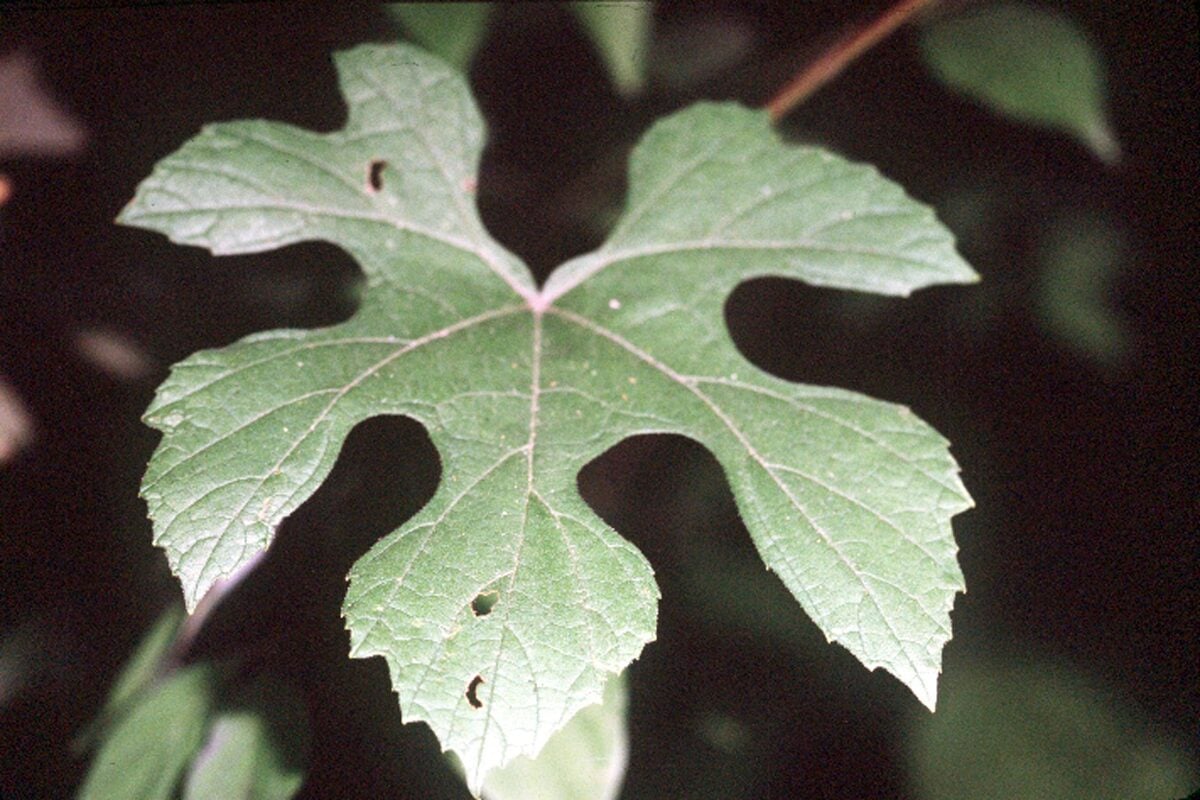
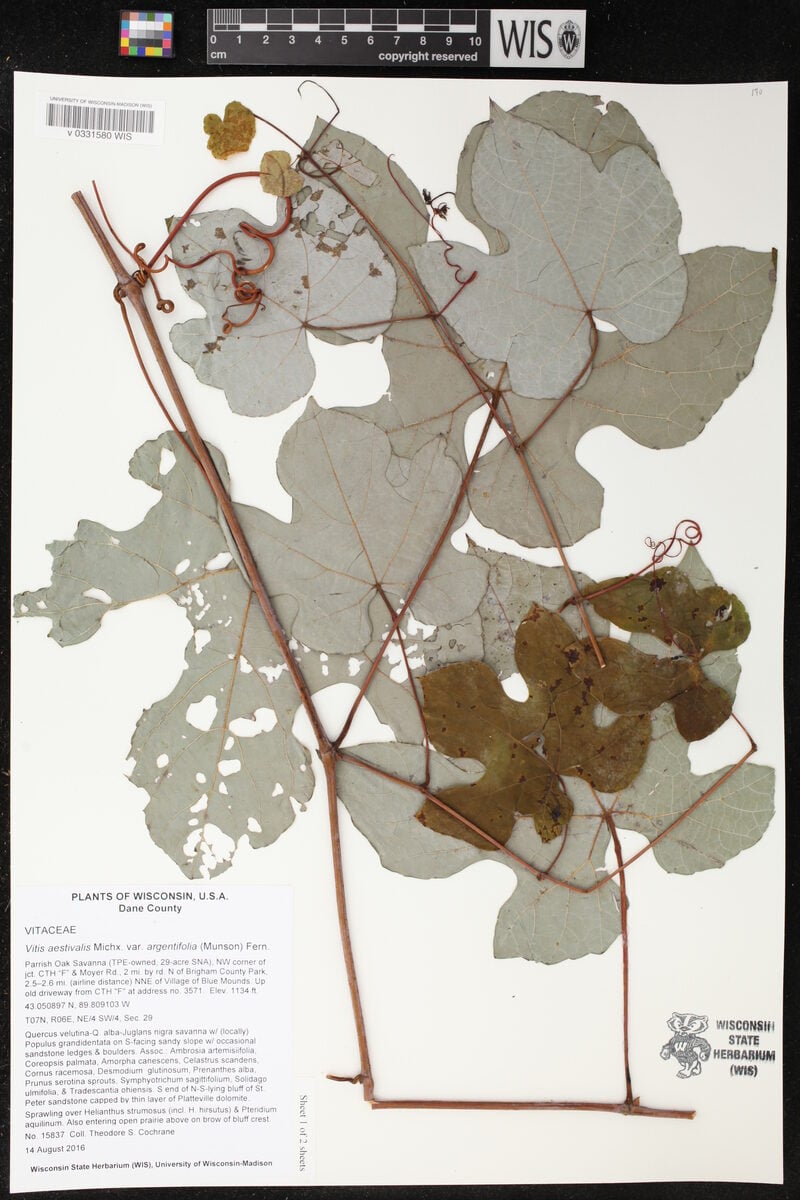
Cayratia gracilis
(Guill. & Perr.) Suesseng.
iNaturalist· cc-by-nc
(c) Bart Wursten, some rights reserved (CC BY-NC)
iNaturalist· cc-by-nc
(c) Bart Wursten, some rights reserved (CC BY-NC)
iNaturalist· cc-by-nc
(c) Troos van der Merwe, some rights reserved (CC BY-NC)
Description
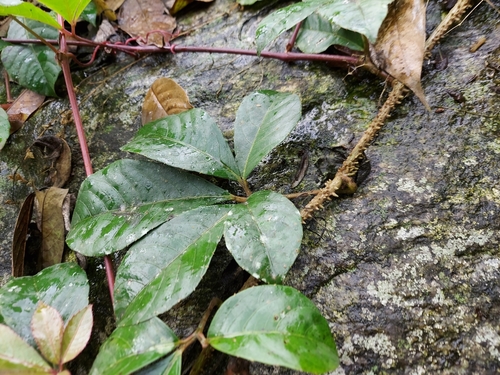
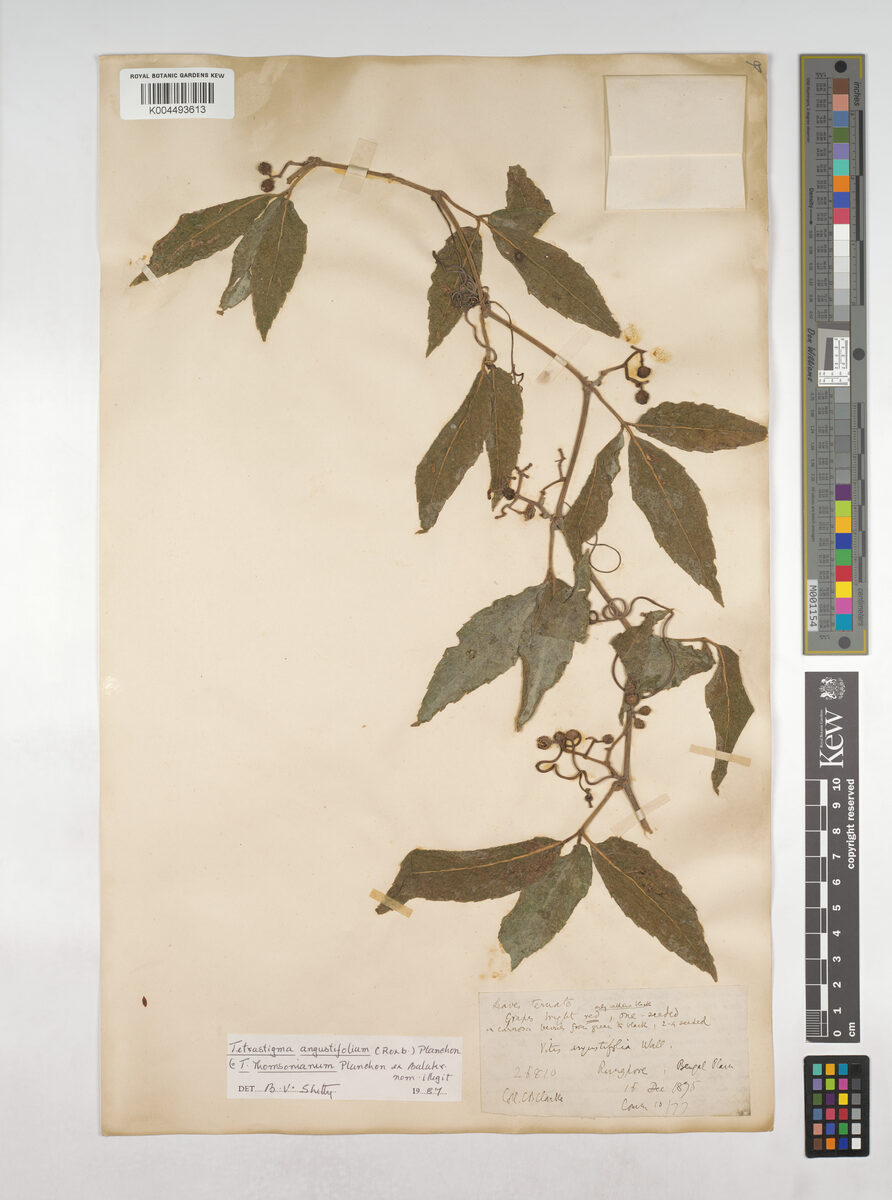
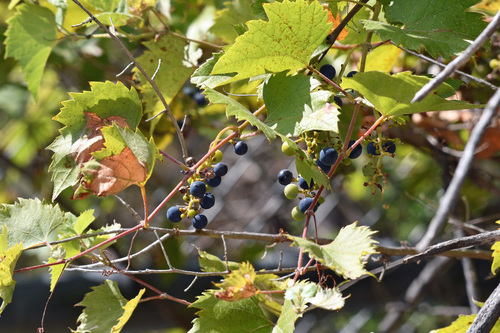
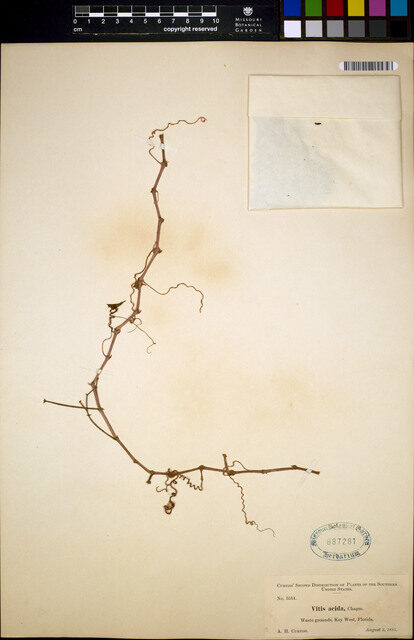
A creeper. The stems and branches are smooth. It has tendrils. The leaves have 5-8 sets of leaflets. The leaf blade is 7.5 cm long by 3.5 cm wide. They are narrowly oval. They taper to the tip and are rounded at the base. There are teeth along the edge. The flowers are in the axils of leaves and are about 10 cm long. The fruit are 6.5 mm long by 6.5 mm wide. There are 4 seeds in the fruit. They are 5.5 mm long. The two inner surfaces are flat.
Edible Uses
The leaves are occasionally eaten as a vegetable, sometimes prepared with the roots of Elephant foot yam (Amorphophallus). The fruit is also edible.
Traditional Uses
The leaves are occasionally eaten as a vegetable. In Senegal it is eaten with the roots of Elephant foot yam (Amorphophallus).
This uses section is brief — help expand it
Medicinal Uses
The pulped leaves are rubbed topically on slight incisions to treat lumbago. Crushed leaves are mixed with Momordica foetida and then rubbed on the affected area in order to stop the irritation caused by the spittle of the spitting cobra. Fresh roots are chewed or boiled and the decoction used as a cough remedy.
Distribution
It is a tropical plant. It grows in shady and damp places in the savannah and lowland forests. It grows from sea level to 1,500 m altitude.
Where It Grows
Africa, Benin, Botswana, Burkina Faso, East Africa, Guinea, Guinée, Guinea-Bissau, Malawi, Mozambique, Namibia, Rwanda, Sao Tome and Principe, Senegal, Sierra Leone, South Africa, Southern Africa, Sudan, Tanzania, West Africa, Yemen, Zambia, Zimbabwe,
Other Information
It is a minor vegetable.
Synonyms
Also Known As
Cikumba, e-Suhp, e-Tuhp, Faba diulo, Mwungera, Teyde, Umuboombo, Uva-de-sancho
References (11)
- Achigan-Dako, E, et al (Eds), 2009, Catalogue of Traditional Vegetables in Benin. International Foundation for Science.
- Burkill, H. M., 1985, The useful plants of west tropical Africa, Vol. 5. Kew.
- Codjia, J. T. C., et al, 2003, Diversity and local valorisation of vegetal edible products in Benin. Cahiers Agricultures 12:1-12 (As Cissus gracilis)
- FERRY et al. ,
- Flora Zambesiaca. http://apps.kew.org/efloras
Show all 11 references Hide references
- Fowler, D. G., 2007, Zambian Plants: Their Vernacular Names and Uses. Kew. p 63
- Grubben, G. J. H. and Denton, O. A. (eds), 2004, Plant Resources of Tropical Africa 2. Vegetables. PROTA, Wageningen, Netherlands. p 166
- Kakeya, 1976,
- Peters, C. R., O'Brien, E. M., and Drummond, R.B., 1992, Edible Wild plants of Sub-saharan Africa. Kew. p 200
- World Checklist of Useful Plant Species 2020. Royal Botanic Gardens, Kew
- World Checklist of Useful Plant Species 2020. Royal Botanic Gardens, Kew