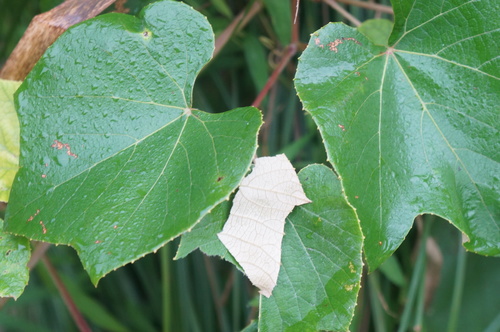
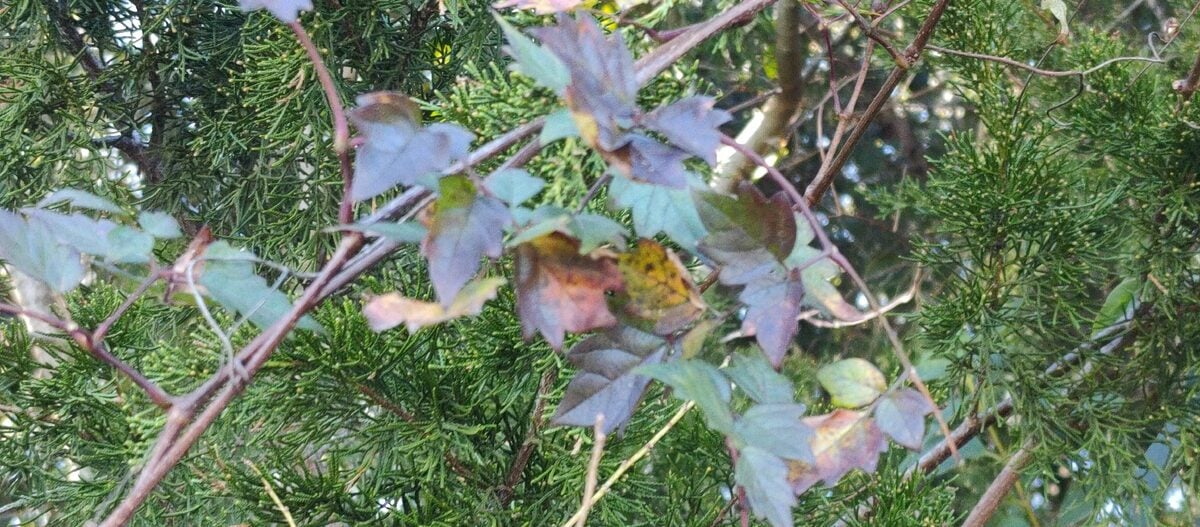
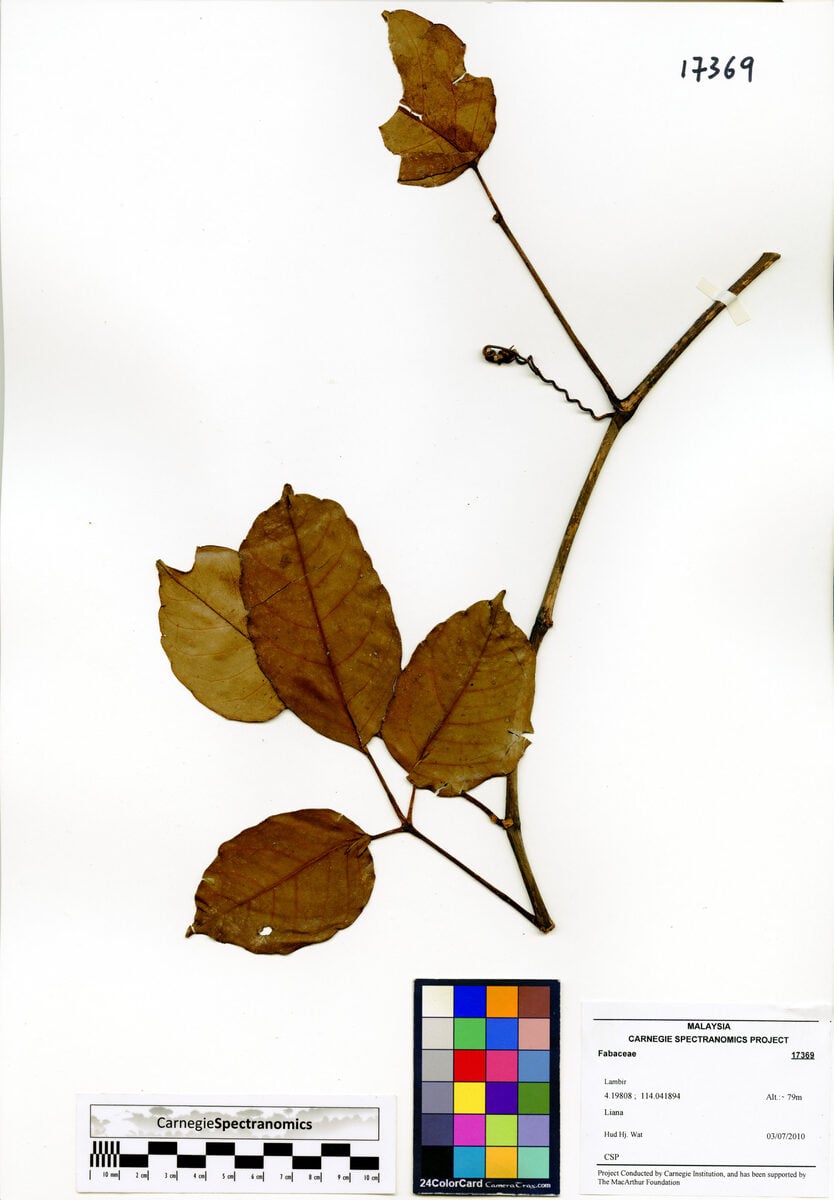
Cayratia japonica
(Thunb.) Gagnep.
iNaturalist· cc-by
(c) Stephen Thorpe, some rights reserved (CC BY)
iNaturalist· cc-by
(c) Stephen Thorpe, some rights reserved (CC BY)
iNaturalist· cc-by
(c) Stephen Thorpe, some rights reserved (CC BY)
Description
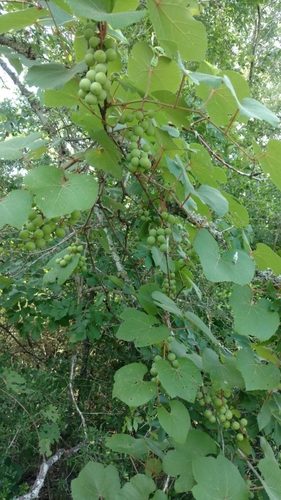
A climbing vine. The branches have ridges along them. The tendrils are divided. The leaves have 3 or 5 leaflets. The central leaflet is narrowly oval and 1-7 cm long by 1-4 cm wide. The fruit is a black berry 1 cm across. There are 2-4 seeds. Probably now Causonis japonica (Thunb.) Raf.;
Edible Uses
The shoots, fruit, and leaves are edible.
Medicinal Uses
The boiled leaves, combined with onion and lime, are applied to the head as a remedy for violent headaches.. The dried and powdered flowers might be used in the treatment ofr fever. The aerial parts of the plant are used in the treatment of fever and malaria The stem bark is used as an antidote.
Distribution
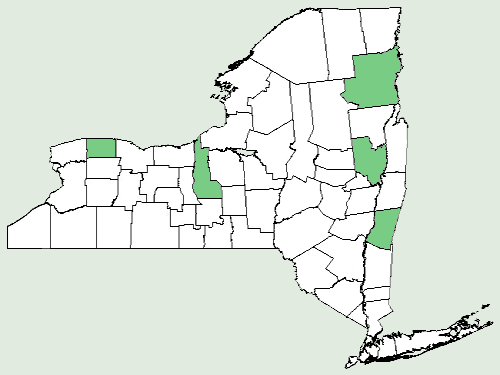
It is a temperate plant. It grows in forests and grasslands between 300-2,500 m above sea level. In Sichuan and Yunnan. In PNG it grows near Kiunga.
Where It Grows
Asia, Australia, Bhutan, China, Himalayas, India, Indochina, Indonesia, Japan, Korea, Laos, Malaysia, Myanmar, Nepal, New Caledonia, Northeastern India, Pacific, Papua New Guinea, PNG, Philippines, SE Asia, Taiwan, Thailand, Vietnam,
Other Uses
The long stems can be used for tying purposes.
Production
In India plants flower and fruit April to June.
Other Information
It is a cultivated plant.
Synonyms
Also Known As
Daun cabang limu, Langpum, Syrbuid
References (5)
- Chen, B. & Qiu, Z., Consumer's Attitudes towards Edible Wild Plants, Ishikawa Prefecture, Japan. p 22 www.hindawi.com/journals/ijfr/aip/872413.pdf (As Cayratia japonica)
- Jeeva, S., 2009, Horticultural potential of wild edible fruits used by the Khasi tribes of Meghalaya. Journal or Horticulture and Forestry Vol. 1(9) pp. 182-192
- Ong, H. C., Mojiun, P. F. J., & Milow, P., 2011, Traditional knowledge of edible plants among the Temuan villagers in Kampung Guntor, Negeri Sembilan, Malaysia. African Journal of Agricultural Research Vol. 6(8), pp. 1962-1965, 18 April, 2011
- Plants of Papua New Guinea LAE herbarium record
- Sawian, J. T., et al, 2007, Wild edible plants of Meghalaya, North-east India. Natural Product Radiance Vol. 6(5): p 414