Cayratia mollissima
(Wall.) Gagnep.
iNaturalist· cc-by-nc
(c) Ming’s orchids, some rights reserved (CC BY-NC), uploaded by Ming’s orchids
iNaturalist· cc-by-nc
(c) Gavin, some rights reserved (CC BY-NC), uploaded by Gavin
iNaturalist· cc-by-nc-sa
(c) 106611639464075912591, some rights reserved (CC BY-NC-SA), uploaded by 106611639464075912591
Summary
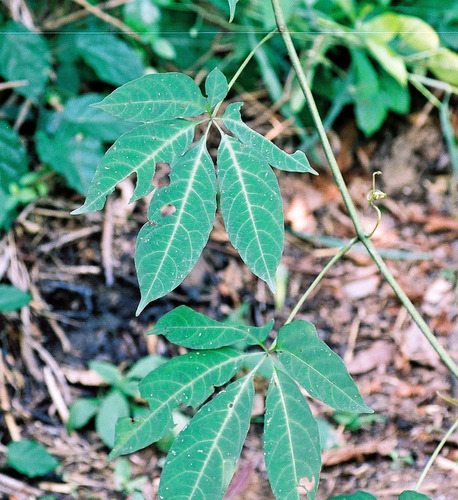
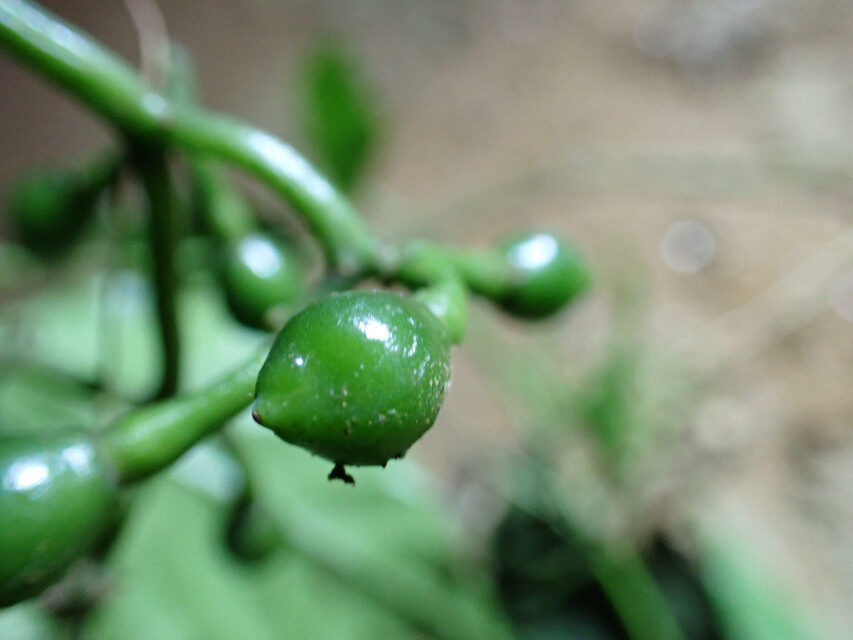
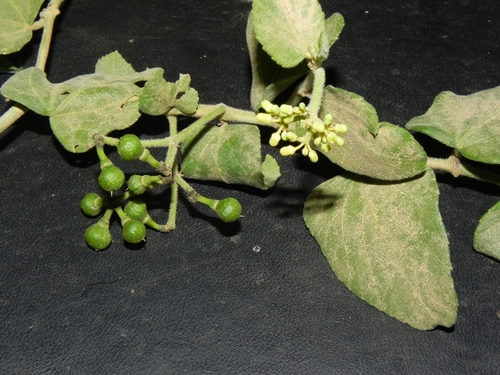
Source: WikipediaCayratia mollissima is an evergreen species of climber plant found in Indochina, Malaysia and the Philippines. It has 3-foliate leaves with small bluish green flowers and produces pinkish white berries, and usually grows at forest margins.
Description
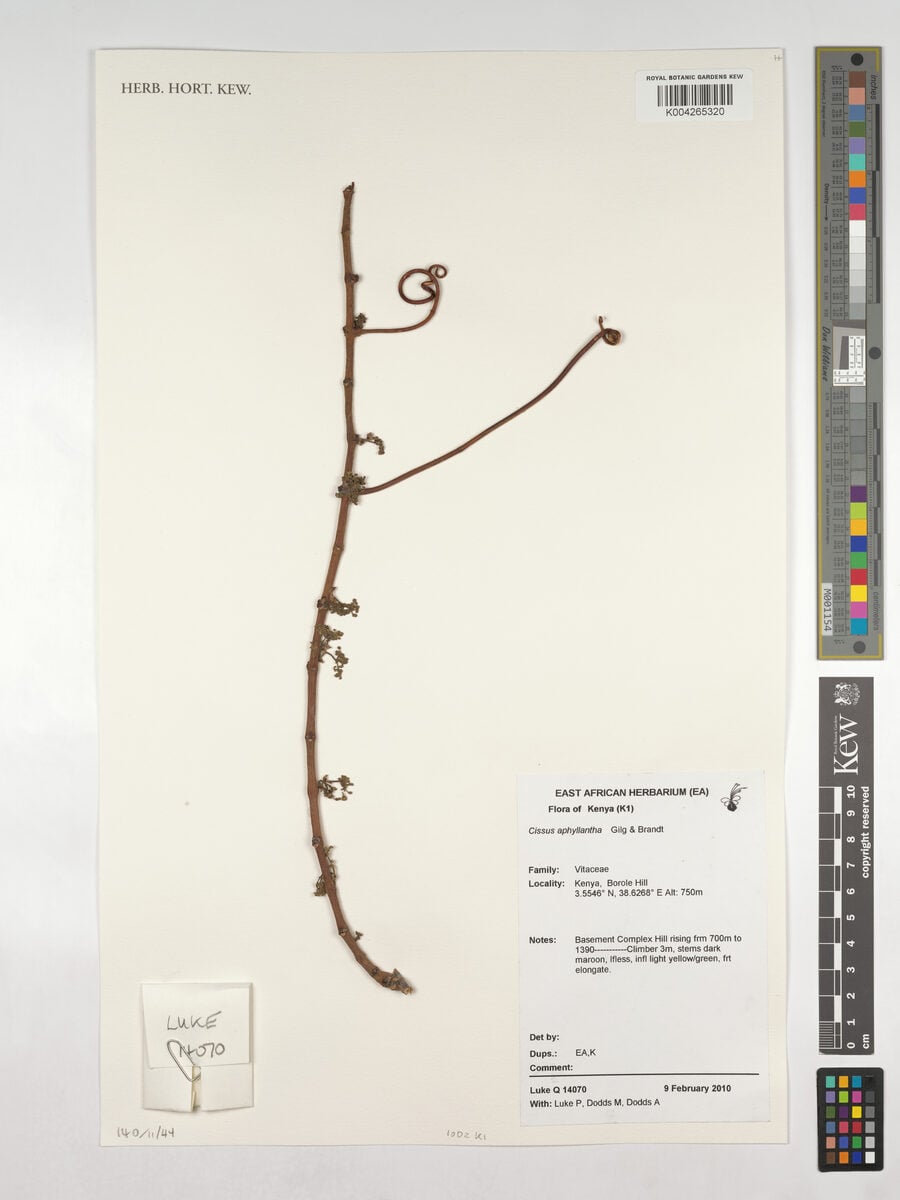
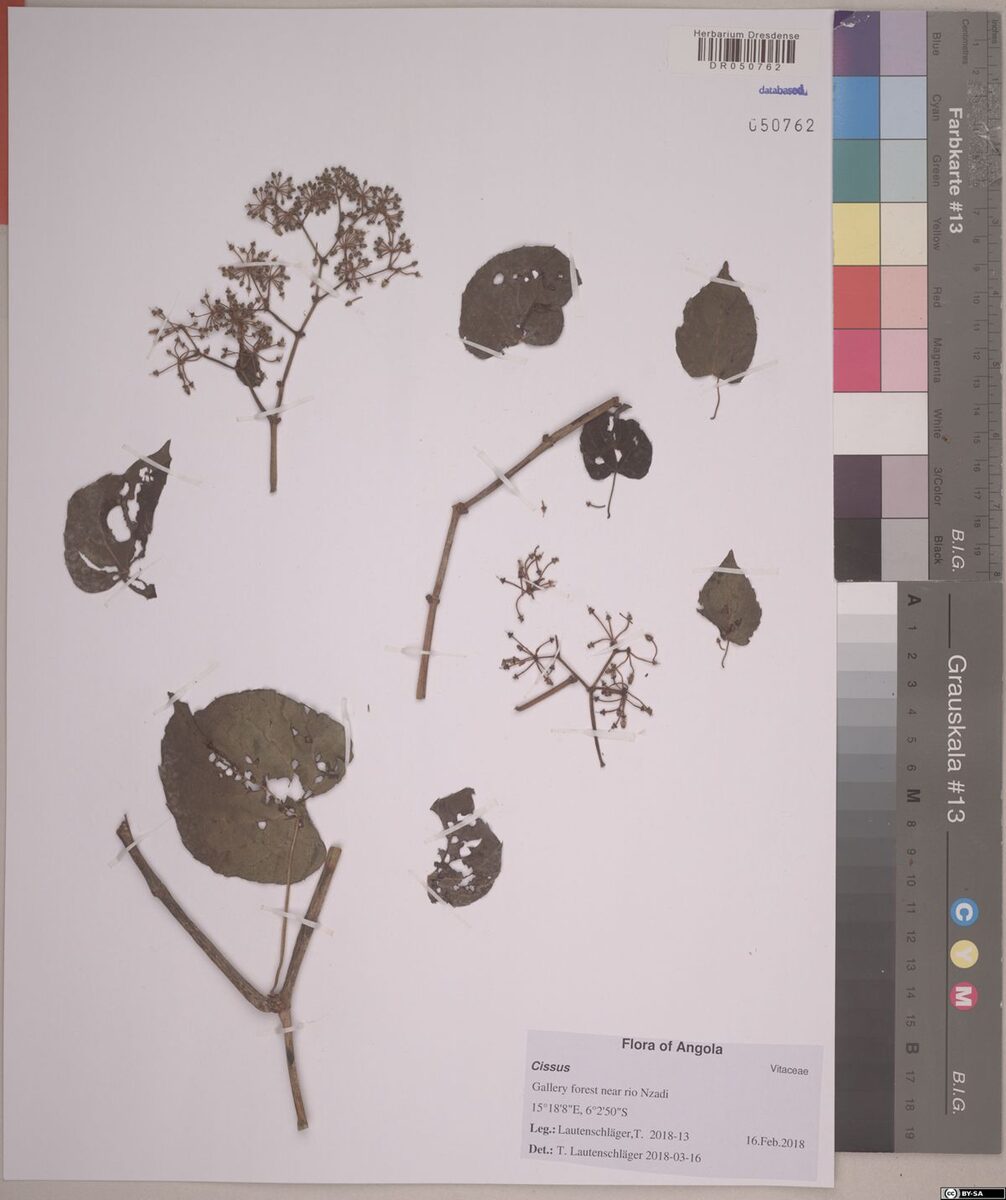
A climbing shrub. The stems are 2-10 m long. They are hairy and 1 cm wide. It has tendrils to attach to other plants. The leaves are arranged in spirals. The leaves have 3 leaflets. There are teeth along the edge. The end leaflet is 6.5-14 cm long by 2.5-6.5 cm wide. The side leaflets are smaller.
Edible Uses
Leaves are used for tea. Fruit has medicinal uses.
Traditional Uses
The fruit contains oxalates.
This uses section is brief — help expand it
Medicinal Uses
The fruits are used to poultice swellings and aches; they are also rubbed on the belly to ease pain during labour. An infusion of the leaves is applied as a cooling lotion.
Known Hazards
The fruit contains oxalates.
Distribution
It is a tropical plant
Where It Grows
Asia, Cambodia, India, Indonesia, Laos, Malaysia, Myanmar, Philippines, SE Asia, Singapore, Thailand, Vietnam,
Cultivation
It can be grown from seeds or cuttings.
Synonyms
References (3)
- Ferns, Useful Tropical Plants.
- Hedrick, U.P., 1919, (Ed.), Sturtevant's edible plants of the world. p 683 (As Vitis geniculata)
- World Checklist of Useful Plant Species 2020. Royal Botanic Gardens, Kew