Hippophae rhamnoides subsp. yunnanensis
L., Rousi
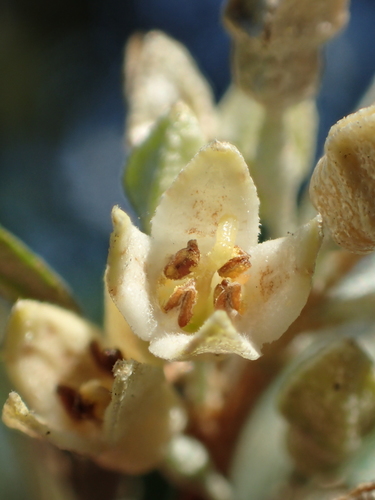
iNaturalist· cc-by
(c) Нурхайдарова Татьяна, some rights reserved (CC BY)
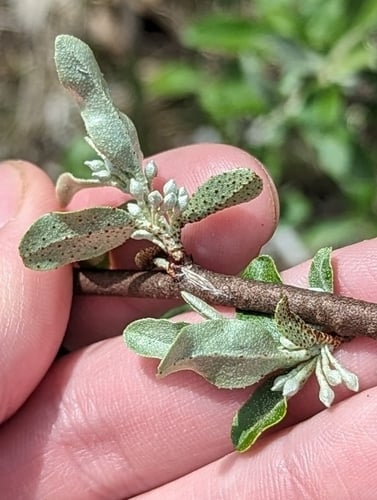
iNaturalist· cc-by-nc
(c) ryatova_natalya, some rights reserved (CC BY-NC), uploaded by ryatova_natalya
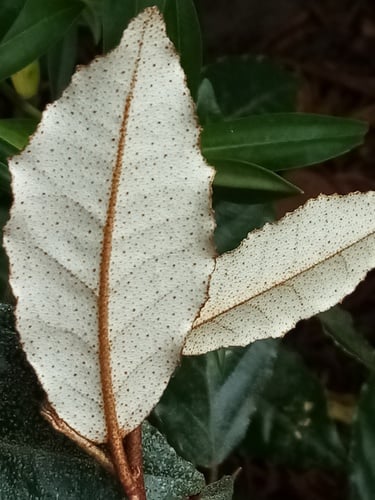
iNaturalist· cc-by
(c) Нурхайдарова Татьяна, some rights reserved (CC BY)
Description
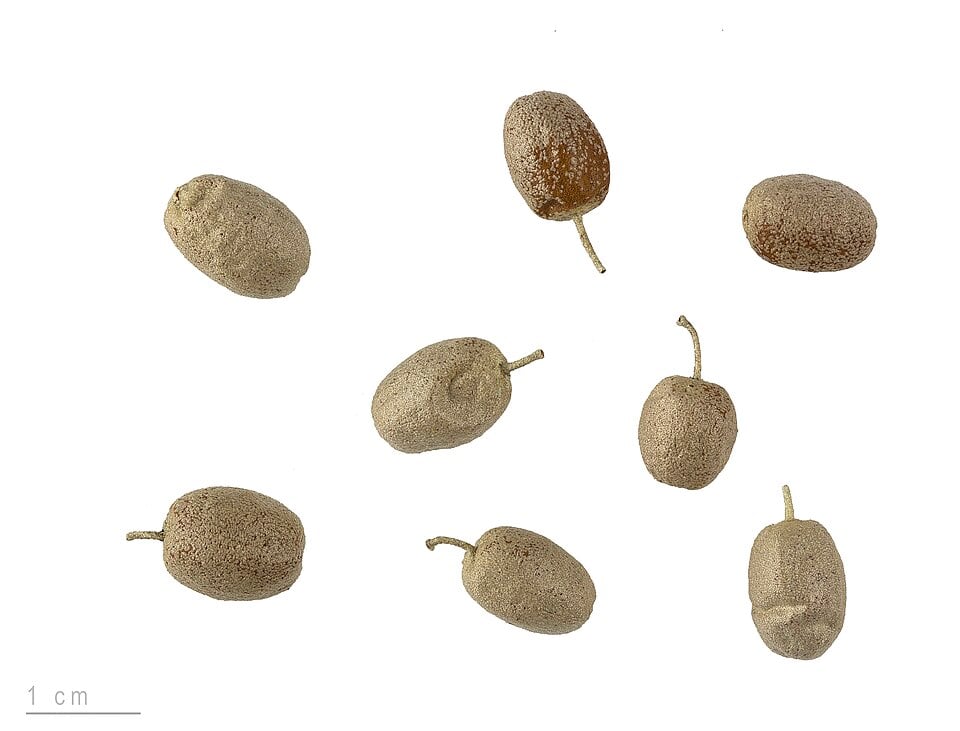
A shrub or small tree. It grows 2-12 m tall. The trunk is 30 cm across. The bark is dark grey and cracked along its length. There are a few spines. The leaves are alternate and grey underneath. They are 3-6 cm long by 1 cm wide. The fruit are yellow and 5-7 mm wide. The seed is flattened.
Edible Uses
The fruits are eaten fresh or used to make drinks and wine, providing a sweet and sour taste.
Traditional Uses
The fruit are eaten fresh or used for a drink or for making wine. They provide a sweet and sour taste.
This uses section is brief — help expand it
Distribution
It is a subtropical plant. It grows on sandy or stony river banks and on the edges of forests between 2,200-3,700 m above sea level. It grows in Sichuan and Yunnan in China.
Where It Grows
Asia, China, Tibet,
Production
In Yunnan fruit are available in August to October.
Also Known As
Me long, Xiju
References (3)
- Cheng, Z., et al, 2022, Ethnobotanical study on wild edible plants used by Dulong people in northwestern Yunnan, China. Journal of Ethnobiology and Ethnomedicine (2022) 18:3
- Ju, Y., et al, 2013, Eating from the wild: diversity of wild edible plants used by Tibetans in Shangri-la region, Yunnan, China, Journal of Ethnobiology and Ethno medicine 9:28
- Li, F., et al, 2015, Ethnobotanical study on wild plants used by Lhoba people in Milin County, Tibet. Journal of Ethnobiology and Ethnomedicine, 11:23