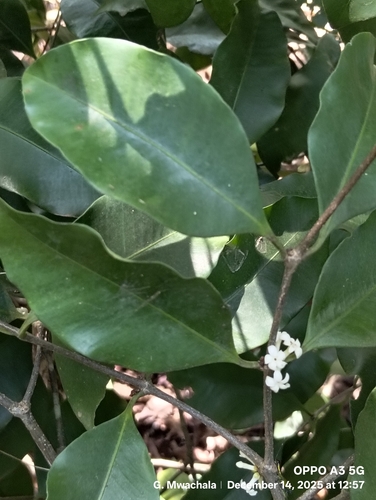
Ceropegia candelabrum
L.
Candlestick ceropegia
iNaturalist· cc-by
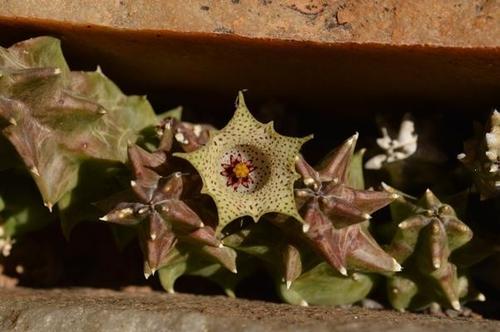
(c) Siddarth Machado, some rights reserved (CC BY), uploaded by Siddarth Machado
iNaturalist· cc-by-nc
(c) CHIRANJEEVI P, some rights reserved (CC BY-NC)
Summary
Source: WikipediaCeropegia candelabrum is the type species in its genus of plants, belonging the subfamily Asclepiadoideae. The Latin specific epithet candelabrum is derived from the candelabra-like appearance of the inflorescences.
Description
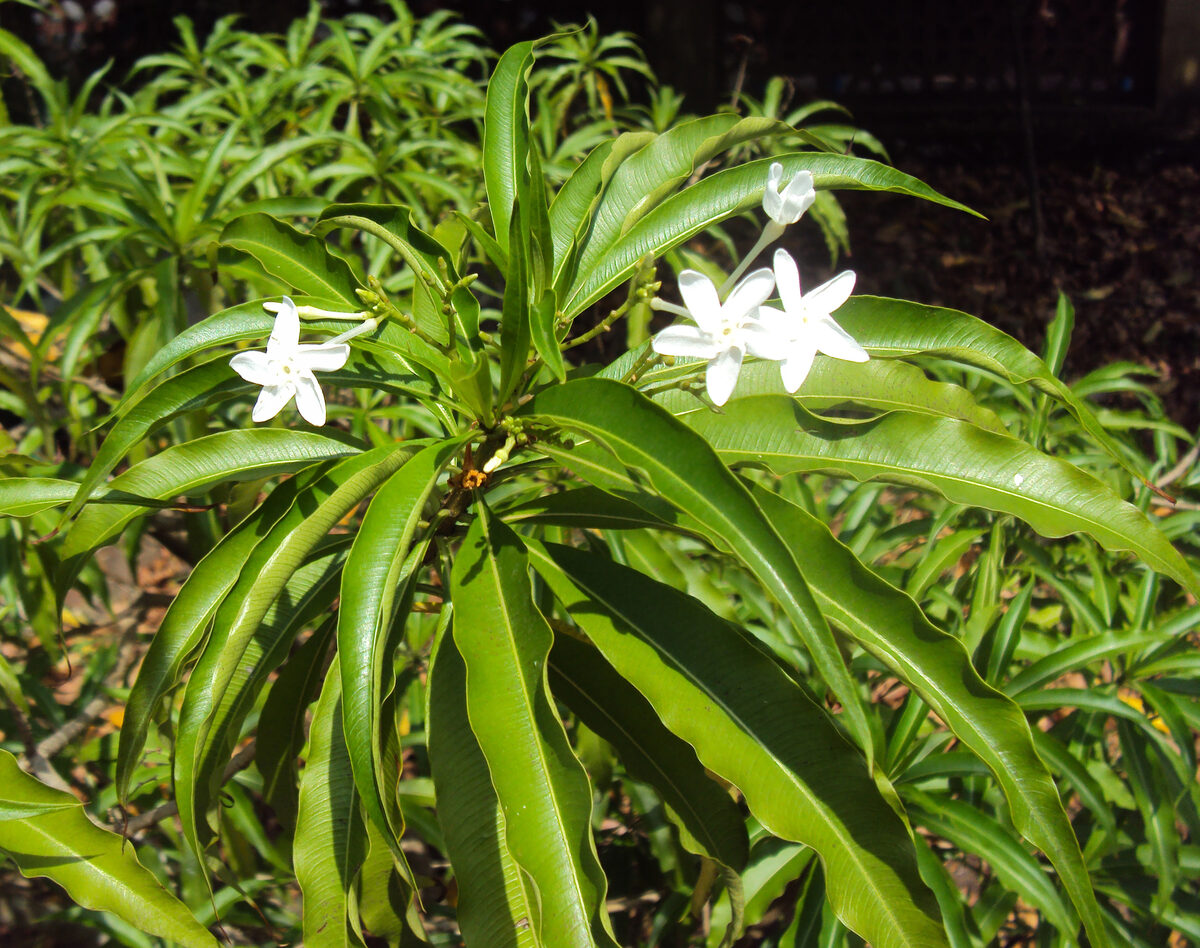
A climbing herb. It grow 30-100 cm long. It has tuberous roots. The tubers are 3-4 cm across and flattened from the top. The leaves are narrowly oval or oblong and arranged opposite. They are 5-10 cm long. The flowers are white to yellow and 2-3 cm long. The flower tube is swollen at the base. The seed pods are 10 cm long.
Edible Uses
The tubers are eaten raw or roasted and are also used in fermented drinks. The leaves are eaten as a pot herb.
Traditional Uses
The tubers are eaten raw or roasted. They are also used in a fermented drink. The leaves are also eaten as a pot herb.
This uses section is brief — help expand it
Distribution
It is a tropical plant. Rajasthan. It grows in scrub forest.
Where It Grows
Asia, India,
Notes
There are about 160-200 Ceropegia species. Previously in Asclepiadaceae.
Synonyms
Also Known As
Guttalu, Hadula, Kanda ganapa, Kanwel, Khadula, Manchi mandai, Nattunattuvallinattunattuvalli, Nijota-njodien-vali, Pataal mul, Patala-tumbi
References (9)
- Ambasta, S.P. (Ed.), 2000, The Useful Plants of India. CSIR India. p 118 (As Ceropegia tuberosa)
- Hedrick, U.P., 1919, (Ed.), Sturtevant's edible plants of the world. p 182 (As Ceropegia tuberosa)
- Kumar, G.M., & Shiddamallayya, N., 2014, Documentation of Wild Plant Tubers as Food Resources in Hassan District, Karnataka, International Journal of Applied Biology and Pharmaceutical Technology. 5(2) p 90 (As Ceropegia tuberosa)
- Lim, T. K., 2015, Edible Medicinal and Non Medicinal Plants. Volume 9, Modified Stems, Roots, Bulbs. Springer p 23
- Misra, R. C., et al, 2013, Genetic resources of wild tuberous food plants traditionally used in Similipal Biosphere Reserve, Odisha, India. Genetic Resources and Crop Evolution. Vol. 60 No. 2. Springer (As var. tuberosa)
Show all 9 references Hide references
- Reddy, K.R., 1989, Additional Notes on the Wild Edible Plants of India. J. Econ. Tax. Bot. Vol. 13 No. 1 pp 125-127 (As Ceropegia tuberosa)
- Samydurai, P., et al, 2012, Wild habits of Kolli Hills being staple food of inhabitant tribes of eastern Ghats, Tamil Nadu, India. Indian Journal of Natural Products and Resources. 3(3) September 2012 pp 432-437 (As Ceropegia tuberosa)
- SHANKARNARAYAN & SAXENA. (As Ceropegia tuberosa)
- Singh, H.B., Arora R.K.,1978, Wild edible Plants of India. Indian Council of Agricultural Research, New Delhi. p 11 (As Ceropegia tuberosa)