Gymnema inodorum
(Lour.) Decne
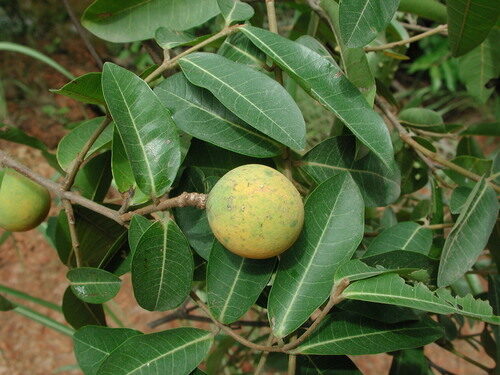
iNaturalist· cc-by-nc
(c) Cédric DEL RIO, some rights reserved (CC BY-NC), uploaded by Cédric DEL RIO
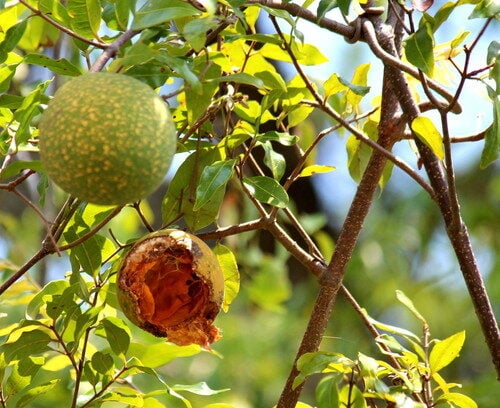
wikimedia· cc0
Wikimedia Commons - Francisco Manuel Blanco (O.S.A.)
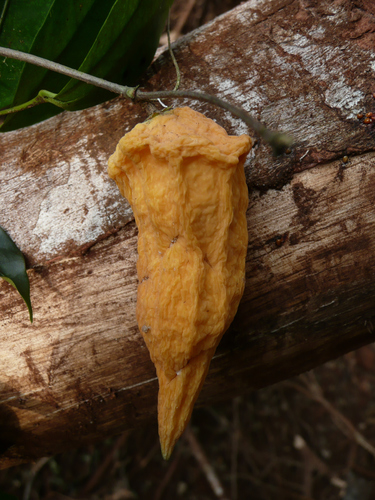
wikimedia· cc0
Wikimedia Commons - Francisco Manuel Blanco (O.S.A.)
Description
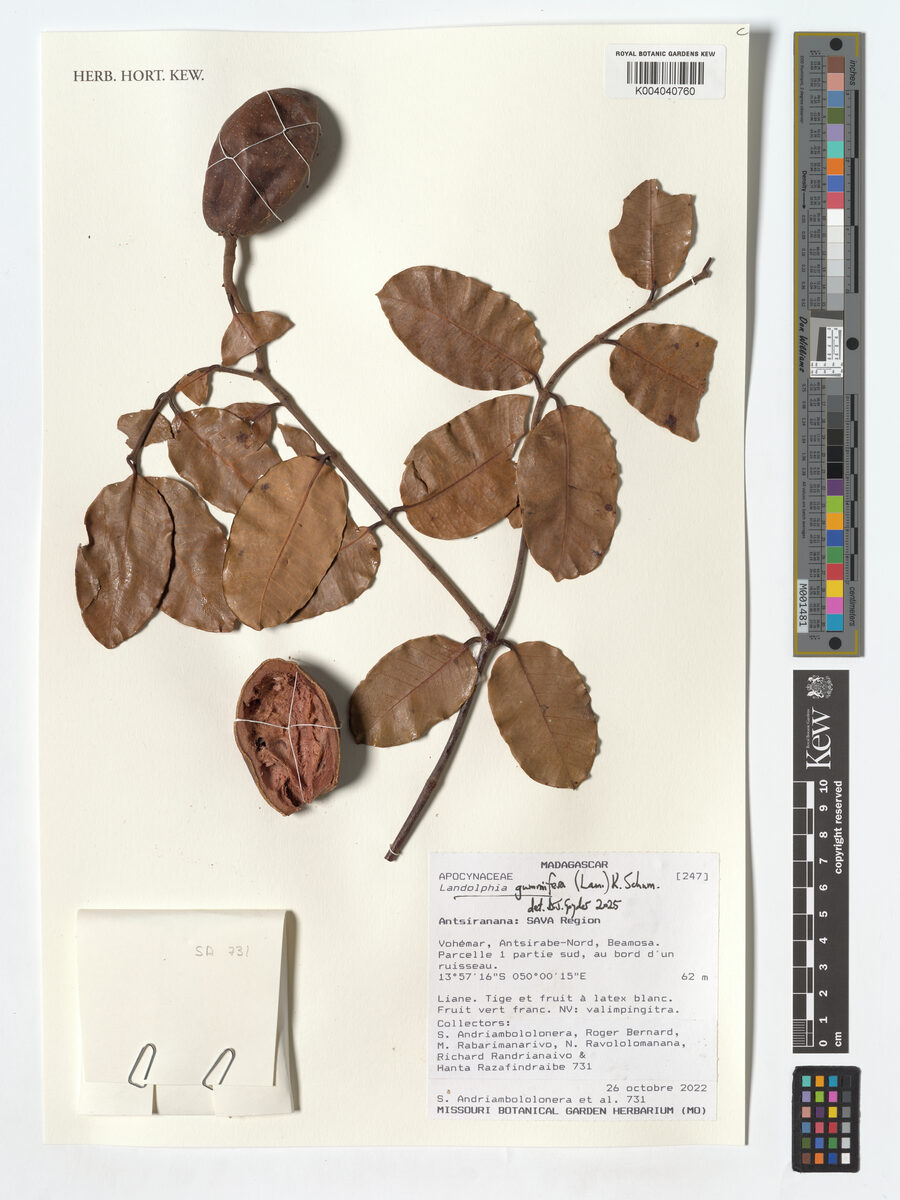
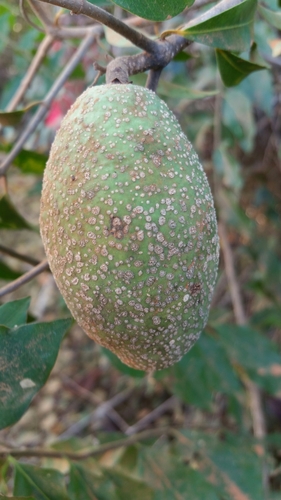
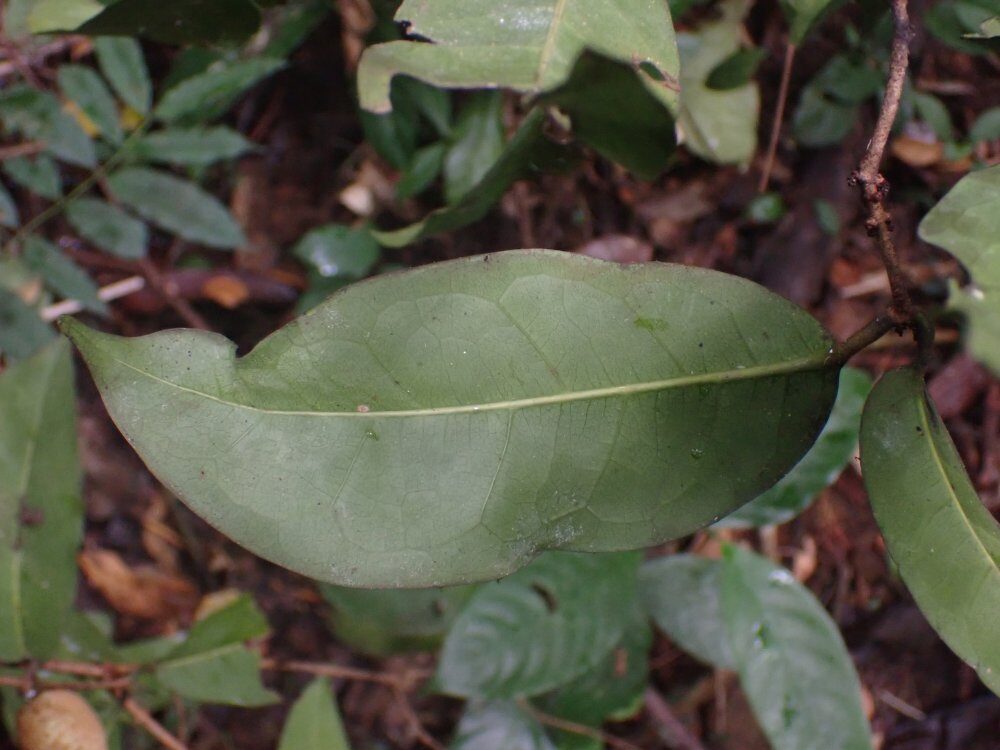
A climbing shrub or creeper. It can grow 10-25 m long. The leaves are broadly oval and 4-14 cm long by 2-9 cm wide. The leaf stalk is 2-6 cm long. The flower petals are yellow and covered with small hairs. The follicle is 8-16 cm long by 3 cm wide. It has a small beak.
Edible Uses
Leaves - cooked. We have yet to find a record confirming this entry - it is based on the attached photograph of a North Thailand curry. The photograph could, of course, be a misidentification.
Medicinal Uses
The leaves are used for treating diabetes and gout.
Distribution
It is a tropical plant. It grows in thickets and secondary forests.
Where It Grows
Asia, Cambodia, China, Himalayas, India, Indochina, Indonesia, Laos, Malaysia, Myanmar, Nepal, Northeastern India, Philippines, SE Asia, Sikkim, Thailand, Timor-Leste, Vietnam,
Other Uses
A blue or greenish-blue dye is obtained from the leaves.
Other Information
It is widely used as a medicinal vegetable in north Thailand.
Notes
Also put in the family Asclepiadaceae. The leaves are used for treating diabetes and gout.
Synonyms
Also Known As
Kalalaki-ti-du-gep, Lo[ax] ti, Phak chiang da, Sayor pepe, Uta mata, Voe toahs
References (3)
- Kaewnarin, K., et al, 2014, Antioxidant and Antiglycation Activities of Some Edible and Medicinal Plants. Chiang Mai J. Sci. 2014; 41(1) : 105-116
- Nakahara, K. et al, 2002, Antimutagenicity of Some Edible Thai Plants, and a Biocative Carbazole Alkaloid, Mahanine, Isolated from Micromelum minutum. Journal of Agricultural and Food Chemistry. 50: 4796-4892
- PROSEA 12(3)