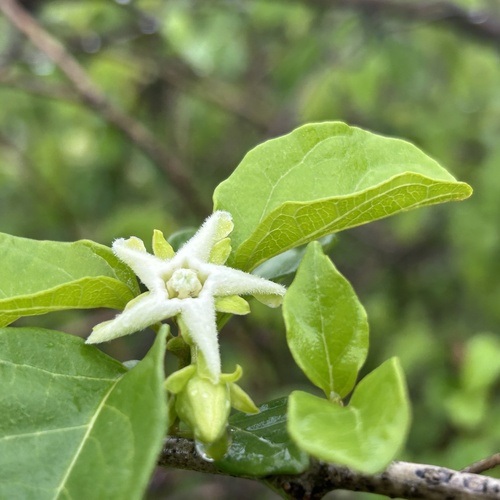
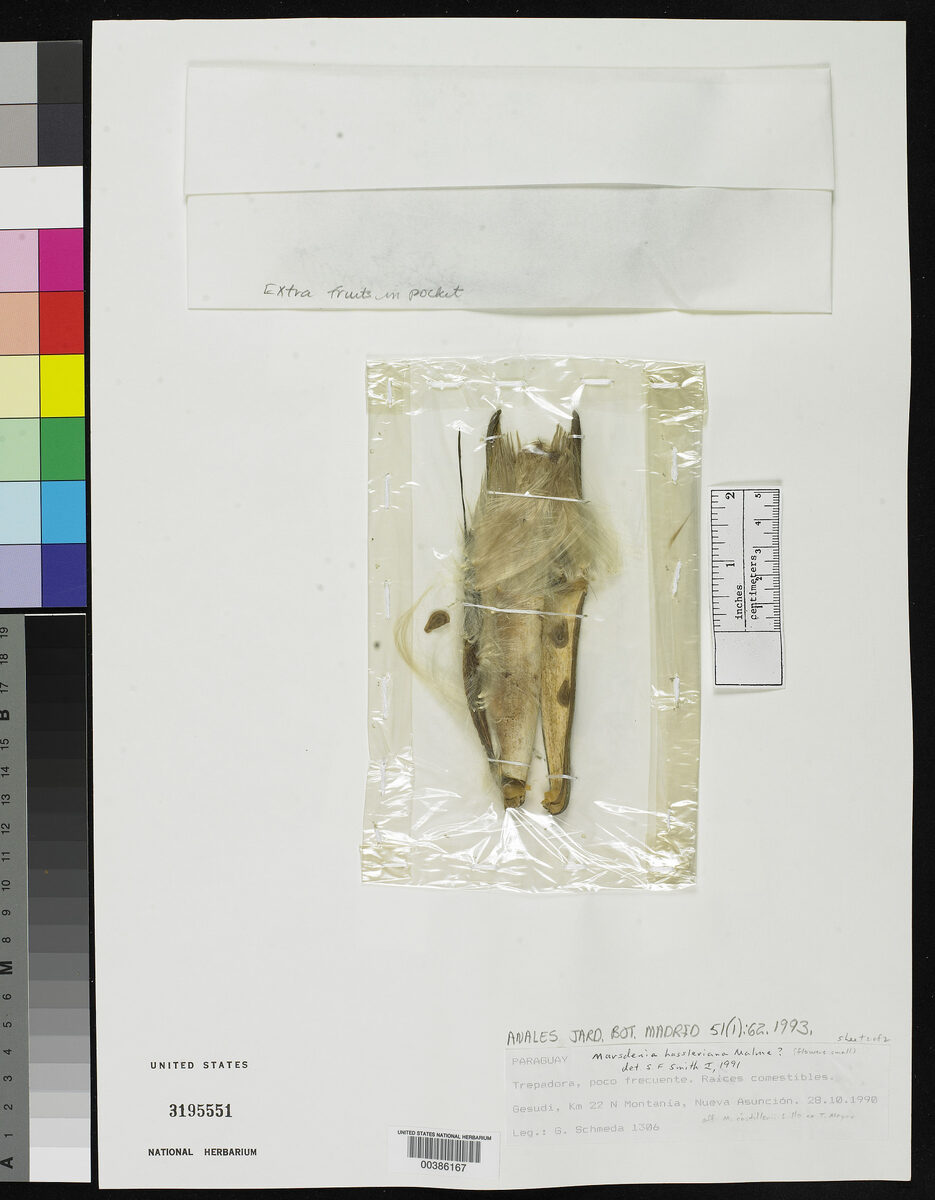
Ceropegia stenantha
K. Schum.
iNaturalist· cc-by-nc
(c) Mark Hyde, Bart Wursten and Petra Ballings, some rights reserved (CC BY-NC)
iNaturalist· cc-by-nc
(c) Mark Hyde, Bart Wursten and Petra Ballings, some rights reserved (CC BY-NC)
iNaturalist· cc-by-nc
(c) Mark Hyde, Bart Wursten and Petra Ballings, some rights reserved (CC BY-NC)
Description
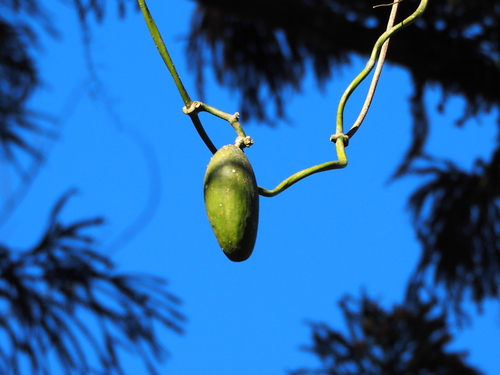
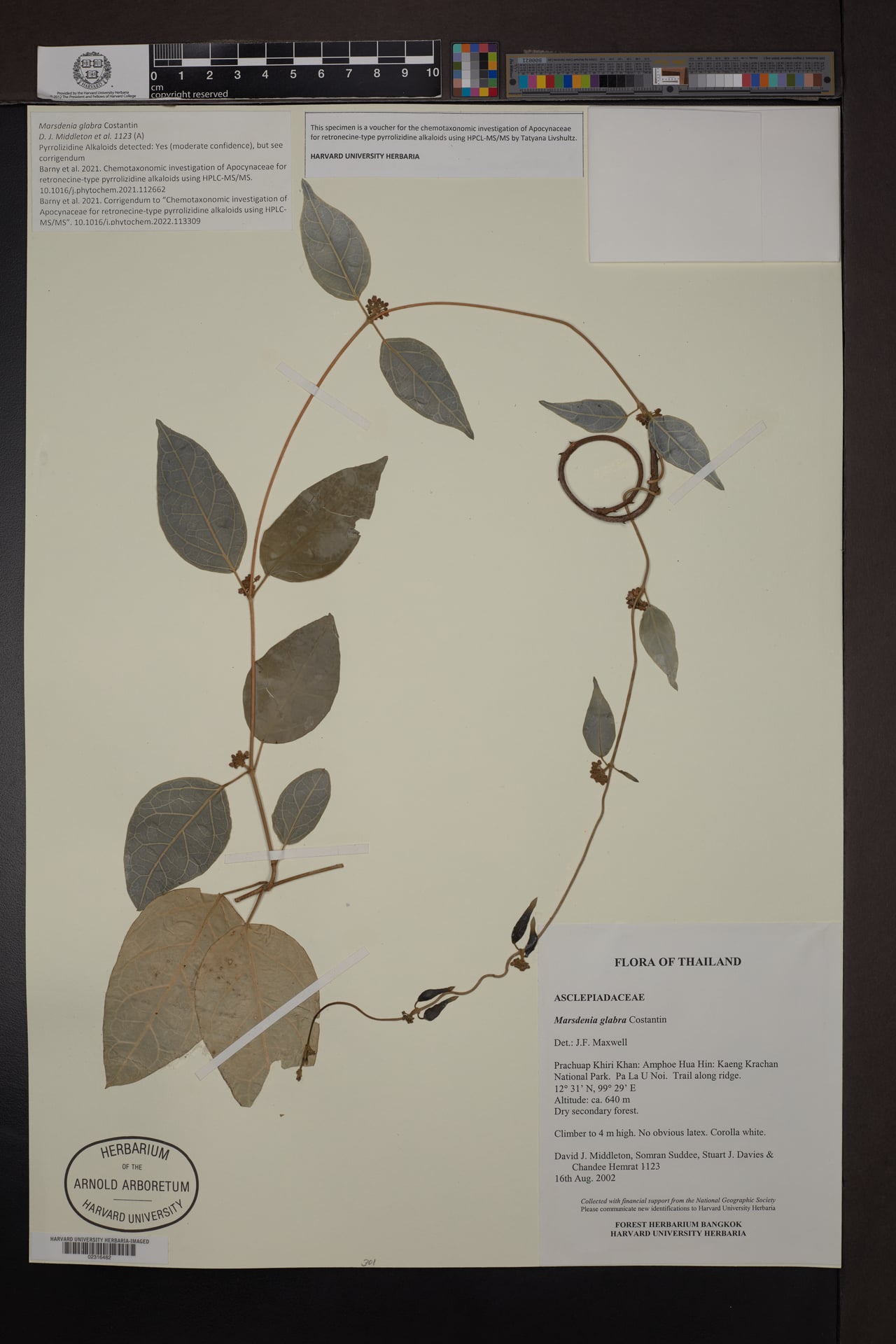
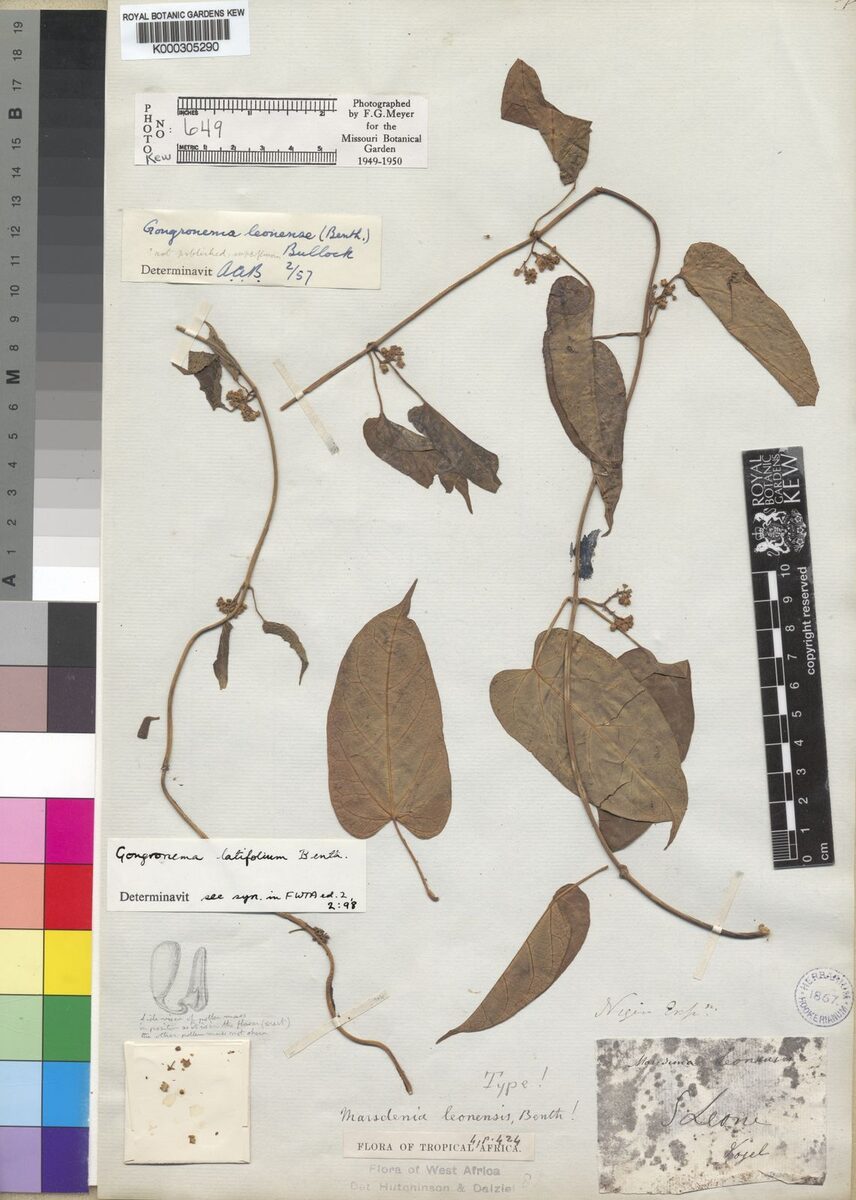
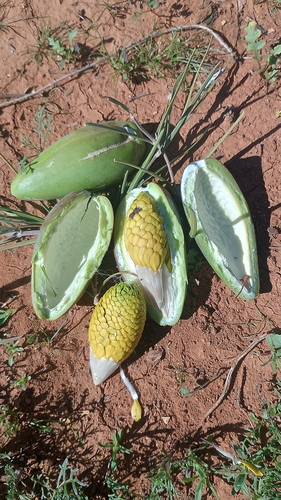
A climbing herb. It has a cluster of fleshy roots. It keeps growing from year to year. The stems are thin. The stems are twining and the leaves are long and narrow. The flowers are in clusters of 3-6. The fruit are slender green follicles 10 cm long.
Edible Uses
The leaves, tubers, and roots are edible and can be eaten.
Medicinal Uses
A root decoction is used in the treatment of stomach problems in young children.
Distribution
A tropical plant. In Zimbabwe it grows at 1,460 m above sea level.
Where It Grows
Africa, East Africa, Kenya, Namibia, South Africa, Southern Africa, Sudan, Zambia, Zimbabwe,
Cultivation
It can be grown from tubers, stem cuttings or seeds. Seeds should be sown fresh.
Notes
There are about 160-200 Ceropegia species. Probably now in Apocynaceae.
Nutrition
| Part | Moisture | kJ | kcal | Protein | Vit A | Vit C | Iron | Zinc |
|---|---|---|---|---|---|---|---|---|
| Tubers | 93 | 88 | 21 | 1 | — | — | — | 0.6 |
Synonyms
Also Known As
Nkerioi, Umanzani
References (8)
- Fowler, D. G., 2007, Zambian Plants: Their Vernacular Names and Uses. Kew. p 76
- Ichikawa, M., 1980, The Utilization of Wild Food Plants by the Suiei Dorobo in Northern Kenya. J. Anthrop. Soc. Nippon. 88(1): 25-48
- Jardin, C., 1970, List of Foods Used In Africa, FAO Nutrition Information Document Series No 2.p 12, 66
- Martin, F.W. & Ruberte, R.M., 1979, Edible Leaves of the Tropics. Antillian College Press, Mayaguez, Puerto Rico. p 177
- Mutie, F. M., et al, 2023, Important Medicinal and Food Taxa (Orders and Families) in Kenya, Based on Three Quantitative Approaches. Plants 2023, 12, 1145
Show all 8 references Hide references
- Ruiters-Welcome, A. K., 2019, Food plants of southern Africa. Ph.D. thesis. Univ. of Johannesburg p 23
- Wehmeyer, A. S, 1986, Edible Wild Plants of Southern Africa. Data on the Nutrient Contents of over 300 species.
- Welcome, A. K. & Van Wyk, B.-E., 2019, An inventory and analysis of the food plants of southern Africa. South African Journal of Botany 122 (2019) 136–179