Coccinia quinqueloba
(Thunb.) Cogn.
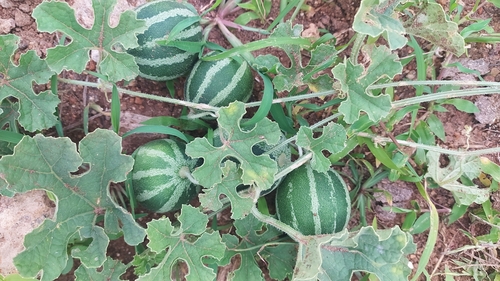
iNaturalist· cc-by-nc
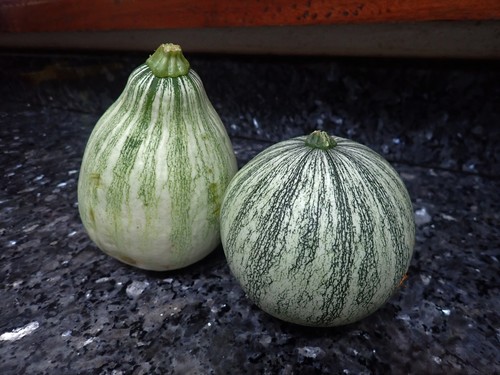
(c) Felix Riegel, some rights reserved (CC BY-NC), uploaded by Felix Riegel
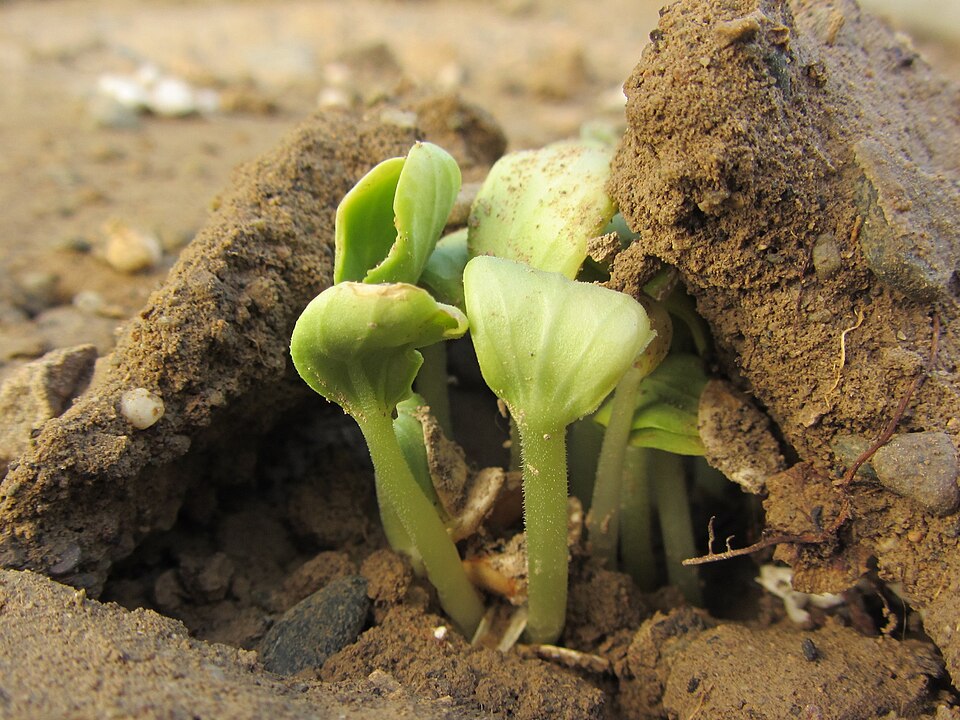
iNaturalist· cc-by-nc
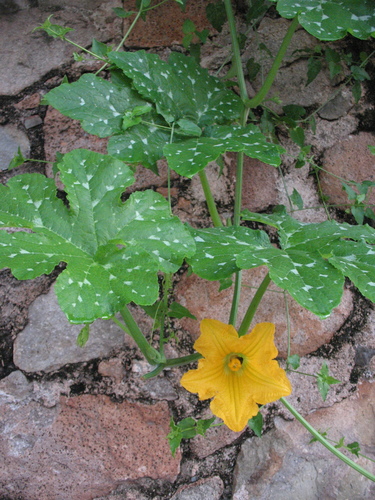
(c) Craig Peter, some rights reserved (CC BY-NC), uploaded by Craig Peter
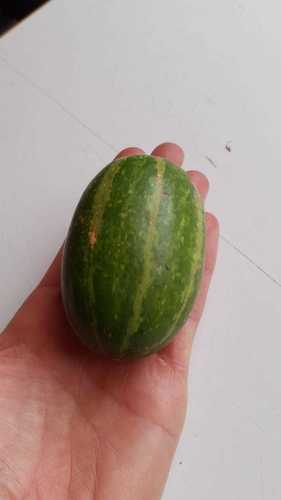
iNaturalist· cc-by-nc-sa
(c) Marco Schmidt, some rights reserved (CC BY-NC-SA), uploaded by Marco Schmidt
Description
A pumpkin family herb. It is a climber. It keeps growing from year to year. The fruit are narrowly oval and bright red when ripe. They are 4-6 cm long by 3-4 cm wide. The seeds are oval and 6-7 mm long by 4 mm wide.
Edible Uses
The leaves are used as a potherb, typically cooked with peanuts and tomatoes.
Traditional Uses
The leaves are used as a potherb. They are cooked with peanuts and tomatoes.
This uses section is brief — help expand it
Distribution
A tropical plant. It can grow in arid places.
Where It Grows
Africa, East Africa, Malawi, South Africa, Southern Africa,
Nutrition
| Part | Moisture | kJ | kcal | Protein | Vit A | Vit C | Iron | Zinc |
|---|---|---|---|---|---|---|---|---|
| Fruit | 90.3 | 145 | 35 | 1.8 | — | 9 | 0.2 | 0.2 |
Synonyms
Also Known As
Bobbejaankonkommer, Cinkaka
References (11)
- Facciola, S., 1998, Cornucopia 2: a Source Book of Edible Plants. Kampong Publications, p 85
- Fox, F. W. & Young, M. E. N., 1982, Food from the Veld. Delta Books. p 170
- Grivetti, L. E., 1980, Agricultural development: present and potential role of edible wild plants. Part 2: Sub-Saharan Africa, Report to the Department of State Agency for International Development. p 66
- INFOODS:FAO/INFOODS Databases
- Martin, F.W. & Ruberte, R.M., 1979, Edible Leaves of the Tropics. Antillian College Press, Mayaguez, Puerto Rico. p 189
Show all 11 references Hide references
- Plowes, N. J. & Taylor, F. W., 1997, The Processing of Indigenous Fruits and other Wildfoods of Southern Africa. in Smartt, L. & Haq. (Eds) Domestication, Production and Utilization of New Crops. ICUC p 188
- Royal Botanic Gardens, Kew (1999). Survey of Economic Plants for Arid and Semi-Arid Lands (SEPASAL) database. Published on the Internet; http://www.rbgkew.org.uk/ceb/sepasal/internet [Accessed 15th April 2011]
- Ruiters-Welcome, A. K., 2019, Food plants of southern Africa. Ph.D. thesis. Univ. of Johannesburg p 48
- Wehmeyer, A. S, 1986, Edible Wild Plants of Southern Africa. Data on the Nutrient Contents of over 300 species
- Welcome, A. K. & Van Wyk, B.-E., 2019, An inventory and analysis of the food plants of southern Africa. South African Journal of Botany 122 (2019) 136–179
- World Checklist of Useful Plant Species 2020. Royal Botanic Gardens, Kew