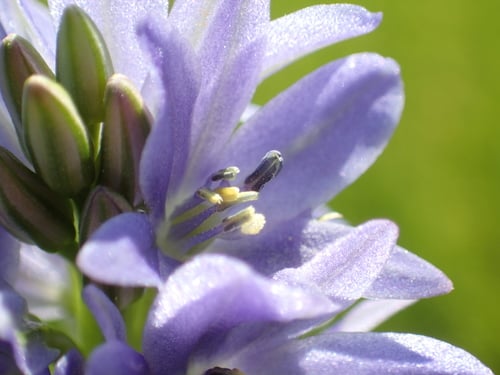
Monochoria korsakowii
Regel & Maack
Wikipedia· cc-by-sa
Wikimedia Commons - Monochoria_korsakowii_070830_Vladivostok.jpg
iNaturalist· cc-by-nc
(c) Exner Tamás, some rights reserved (CC BY-NC)
Summary
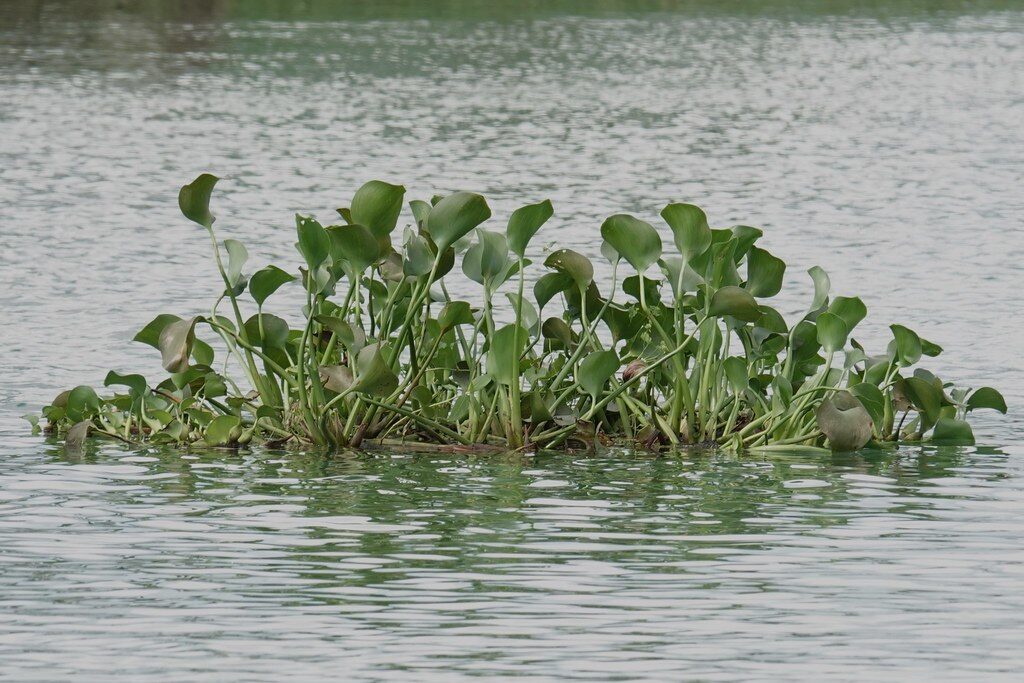
Source: WikipediaMonochoria korsakowii is a species of annual flowering plant in the water hyacinth family known by several common names, including heartleaf false pickerelweed and oval-leafed pondweed. It is found in lakes, ponds, swamps, and rice paddy fields. It is native to east Asia, although it is endangered in Japan due to excessive use of acetolactate synthase-inhibiting herbicides. In China, it has become a significant threat to rice production, particularly in Liaoning province, where it has evolved high levels of resistance to the herbicide bensulfuron-methyl.
Description
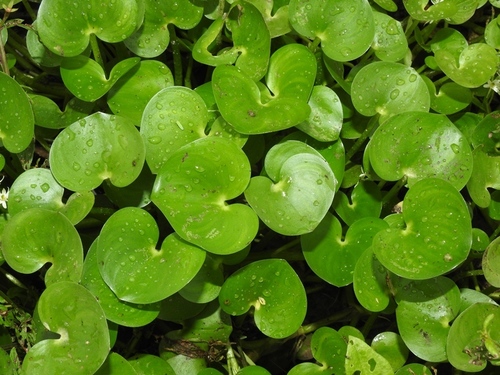
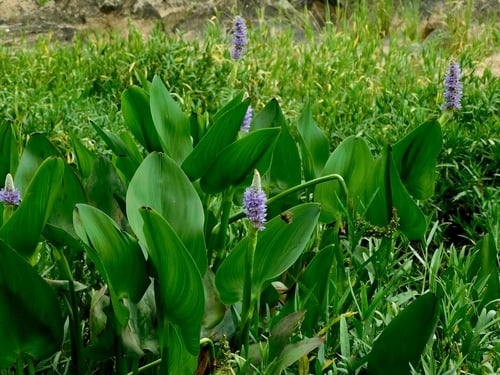
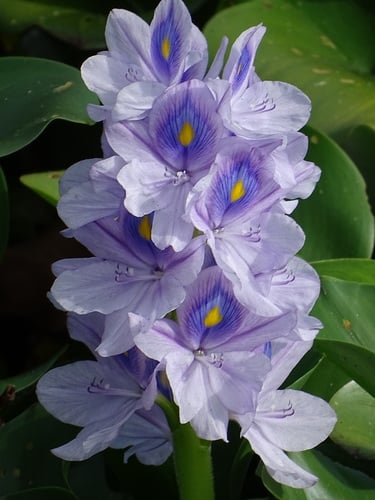
A herb. It grows in water. The stems are stout. There are leaves on the root and stems. The leaves at the roots are 30 cm long and broadly heart shaped. They are 4-10 cm long by 3-8 cm wide. The lobes at the base are rounded. The flowering stems are erect and 30-70 cm long. There are 10-20 flowers.
Edible Uses
The leaves are cooked and eaten as a vegetable.
Traditional Uses
The leaves are cooked and eaten as a vegetable.
This uses section is brief — help expand it
Distribution
It is a tropical plant. It grows in pools, rice fields and the banks of lakes. It grows in wetlands. In Yunnan.
Where It Grows
Asia, China, Indonesia, Japan, Korea, Pakistan, Russia, SE Asia, Siberia, Vietnam,
Synonyms
Also Known As
An mu, Gai jiu ding, Pa hen
References (3)
- Cao, Y., et al, 2020, Ethnobotanical study on wild edible plants used by three trans-boundary ethnic groups in Jiangcheng County, Pu’er, Southwest China. Journal of Ethnobiology and Ethnomedicine (2020) 16:66
- Xu, You-Kai, et al, 2004, Wild Vegetable Resources and Market Survey in Xishuangbanna, Southwest China. Economic Botany. 58(4): 647-667. (As Monochoria vaginalis var. korsakowii)
- Zhang, Y., et al, 2014, Diversity of wetland plants used traditionally in China: a literature review. Journal of Ethnobiology and Ethnomedicine. 10:72