Oncoba tettensis var. kirkii
(Oliv.) S. Hul & Breteler
Northern African dog-rose
iNaturalist· cc-by-nc
(c) graemewolfaard, some rights reserved (CC BY-NC)
iNaturalist· cc-by-nc
(c) graemewolfaard, some rights reserved (CC BY-NC)
iNaturalist· cc-by-nc
(c) graemewolfaard, some rights reserved (CC BY-NC)
Description
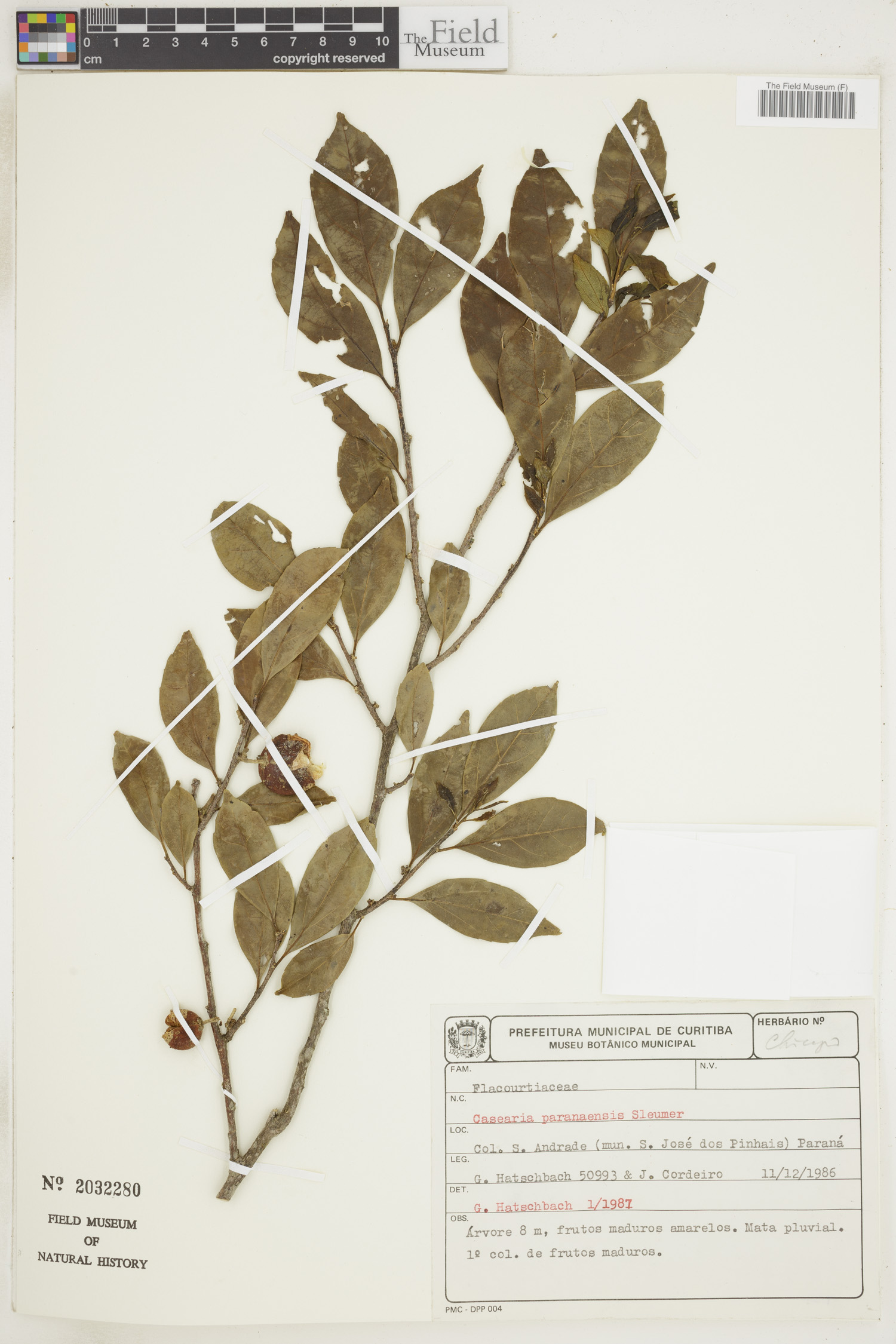
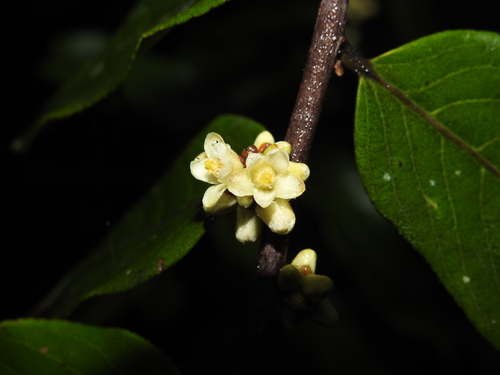
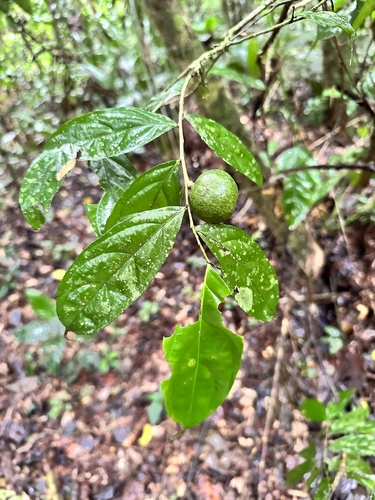
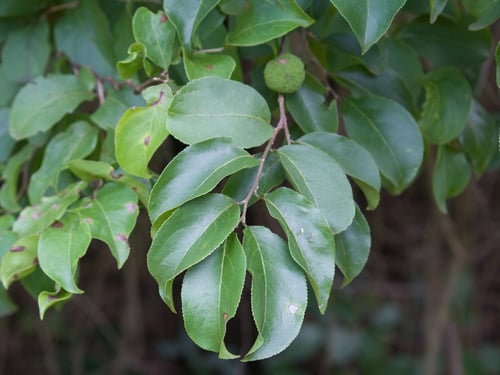
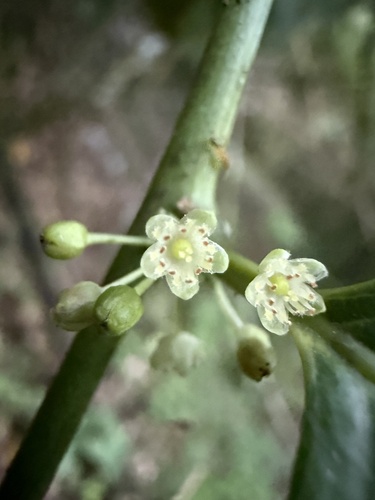
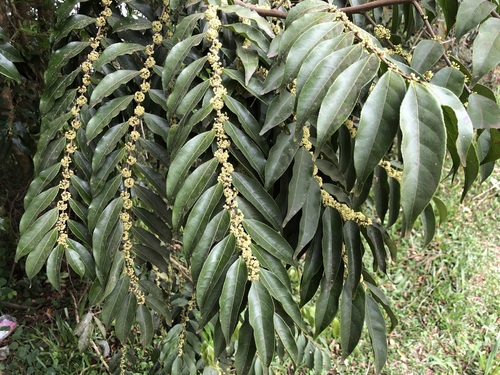
A shrub or small tree. It loses its leaves during the year. It grows 1-5 m tall. The bark is grey with long grooves. The leaves are alternate and clustered onto side shoots. They are a wide oval shape. They are 6-11 cm long and wider at the tip. The flowers appear just after the new leaves. They can appear in groups of 1-3 in the axils of leaves or at the ends of small branches. They have a sweet scent. The fruit is an oval or round capsule. It is black and 3-4 cm across. It has a hard pointed tip. The seeds are yellow to brown.
Edible Uses
The pulp of ripe fruit is eaten raw; the seeds are discarded.
Traditional Uses
The pulp of the ripe fruit is eaten raw. The seeds are discarded.
This uses section is brief — help expand it
Distribution
It is a tropical plant. It grows in the lowland. In Tanzania it grows between sea level to 600 m above sea level.
Where It Grows
Africa, East Africa, Kenya, Mozambique, Tanzania,
Cultivation
Plants can be grown from seeds.
Production
In Tanzania the ripe fruit are collected from November to January.
Notes
It has been put in the family Flacourtiaceae and Salicaceae.
Synonyms
Also Known As
Mchekaucha, Mchekwa, Mchemka, Mkekwa, Mkwema, Mlimia mbopo, Mnywanywa, Mripuripu, Mseka, Msekasekai, Njaunabonde
References (1)
- Ruffo, C. K., Birnie, A. & Tengnas, B., 2002, Edible Wild Plants of Tanzania. RELMA p 730 (As Xylotheca tettensis var. kirkii)