Casearia rupestris
Eichler
Pururuca
iNaturalist· cc-by-nc
(c) João Vitor Oliveira de Souza, some rights reserved (CC BY-NC), uploaded by João Vitor Oliveira de Souza
iNaturalist· cc-by-nc
(c) João Vitor Oliveira de Souza, some rights reserved (CC BY-NC)
Description
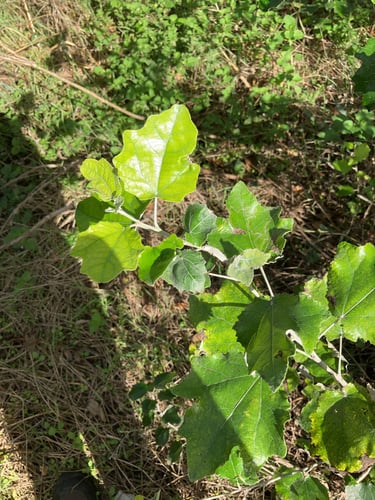
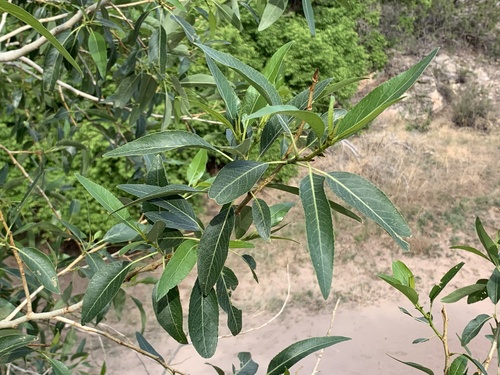
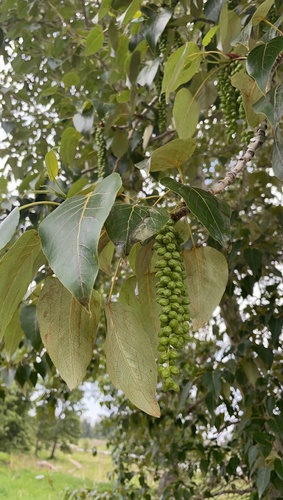
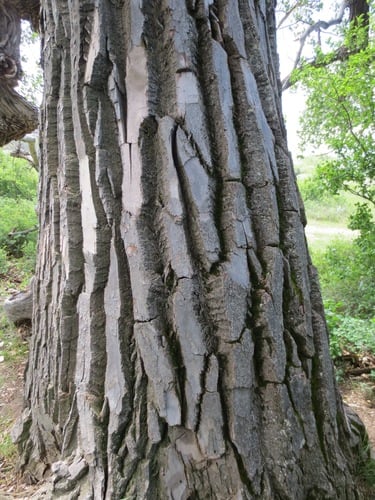
A small tree. It grows 4-7 m high. The crown is a pyramid shape. The tips of the branches have a white covering. The trunk has grooves. It is 15-30 cm across. The leaves are papery. They are 7-12 cm long and 4-7 cm wide. The fruit are round and open in 3 valves. They are 2-3 cm across.
Edible Uses
Fruit - raw. The fruit is an ovoid capsule around 20 - 30mm long and 15 - 25mm wide, containing a number of seeds enclosed in a sticky, fleshy pulp with a sweet flavour.
Traditional Uses
The fruit are eaten fresh.
This uses section is brief — help expand it
Known Hazards
The fruit is a capsute containing several seeds. Although the capsule of some species (and possibly also the seeds contained therein) is somewhat toxic, the fleshy aril surrounding the seeds is a different matter and in some species (such as this one) is often eaten and is considered to be perfectly wholesome.
Distribution
It is a tropical plant. It grows in broadleaf, semi-deciduous forest in Brazil.
Where It Grows
Bolivia, Brazil*, South America,
Cultivation
Plants are grown from seed. The ripe fruit are harvested and put in the shade to completely open. The seeds are then washed and dried. The fresh seed are harvested and germinate in 3-6 weeks. The seedlings can be transplanted into the field after 6-8 months.
Propagation
Seed - best sown as soon as ripe. Sow in a sunny position in a nursery bed. Germination rates are low, the seed germination in 3 - 6 weeks. Pot up the seedlings when 5 - 6cm tall, planting out into their permanent positions when 6 - 8 months old.
Other Uses
The wood is hard, moderately heavy, of medium uniform texture. It is moderately resistant to insects, but not very durable. It is used locally for rural construction and the manufacture of rustic furniture. The wood is used for fuel and charcoal.
Production
The plants grow at a moderate rate.
Other Information
The fruit are not very popular.
Notes
There are 160-180 Casearia species. They are mostly in South America. 75 occur in tropical America. They have also been put in the plant family Flacourtiaceae.
Also Known As
Cafezeiro, Guacatunga-grande, Olho-de-pomba-da-mata, Pururuca, Veu-de-noiva
References (5)
- Bortolotto, I. M., et al, 2018, Lista preliminar das plantas alimenticias nativas de Mato Grosso do Sul, Brasil. Iheringia, Serie Botanica, Porto Alegre, 73 (supl.):101-116
- Grandtner, M. M. & Chevrette, J., 2013, Dictionary of Trees, Volume 2: South America: Nomenclature, Taxonomy and Ecology. Academic Press p 107
- Lorenzi, H., 2002, Brazilian Trees. A Guide to the Identification and Cultivation of Brazilian Native Trees. Vol. 02 Nova Odessa, SP, Instituto Plantarum p 119
- Lorenzi, H., Bacher, L., Lacerda, M. & Sartori, S., 2006, Brazilian Fruits & Cultivated Exotics. Sao Paulo, Instituto Plantarum de Estuados da Flora Ltda. p 291
- www.colecionandofrutas.org