Casearia pitumba
Sleumer
Pitumba casearia
iNaturalist· cc-by-nc
(c) Sébastien SANT, some rights reserved (CC BY-NC), uploaded by Sébastien SANT
iNaturalist· cc-by-nc
(c) Sébastien SANT, some rights reserved (CC BY-NC), uploaded by Sébastien SANT
iNaturalist· cc-by-nc
(c) Robin Heymans, some rights reserved (CC BY-NC)
Description
A shrub or tree. It grows 4-12 m tall. The flowers occur in small clusters. The fruit have thick stalks. The fruit is a capsule. It is 3 cm long by 2.5 cm wide. It is green and turns yellow then orange. The fruit usually has 3 ribs along it and 3 thick woody valves where it opens. There are about 20 seeds. These are angular and 1 cm long by 0.5 cm wide. They are a white slimy aril of layer around the seeds. This is sweet and edible.
Edible Uses
Fruit - raw. The white, fleshy aril surrounding the seeds is eaten. The orange fruit is a subglobose to ovoid capsule 23 - 32mm x 20 - 29mm, containing up to 20 seeds that are clotted together by a white, slimy, sweet-tasting, edible aril.
Known Hazards
The fruit is a capsute containing several seeds. Although the capsule of some species (and possibly also the seeds contained therein) is somewhat toxic, the fleshy aril surrounding the seeds is a different matter and in some species (such as this one) is often eaten and is considered to be perfectly wholesome.
Distribution
It is a tropical plant. It grows in the rainforest, especially along rivers but also in savanna and secondary forest.
Where It Grows
Rainforests, especially along rivers, secondary forest, forested slopes on bauxite and savannah, growing in a range of soil types; at elevations up to 1,300 metres.
Propagation
The seed of species in this genus often has a short period of viability and so is best sown as soon as it is ripe. The seed is collected when the fruits start to open - leave them in the sun to open completely to release the seed, then rinse the seed in water to remove the arils. Sow the seed in a partially shaded position in a nursery seedbed, only just covering the seed, and keep moist. Germination rates vary, but can usually be expected to be low, with the seed sprouting within 20 - 30 days. When the seedlings are 3 - 5cm tall, pot them up into individual containers and they should be ready to plant out a few months later. Cuttings.
Other Uses
The heartwood is yellow or cream, it is not clearly distinguished from the sapwood.
Synonyms
Also Known As
Bita-tiki, Boesikofi, Dujo, Kwasijikwasji-tiki, Nigua, Peecojuhe, Yanamucu ruyu, Yepenenoncamo
References (7)
- Bendezu, Y. F., 2018, Arboles nativos de lad Region Ucayali. Instituto Nacional de Innovacion Agraria. p 289
- Grandtner, M. M. & Chevrette, J., 2013, Dictionary of Trees, Volume 2: South America: Nomenclature, Taxonomy and Ecology. Academic Press p 107
- NYBG herbarium "edible"
- Reis, S. V. and Lipp, F. L., 1982, New Plant Sources for Drugs and Foods from the New York Botanical Garden herbarium. Harvard. p 194
- Roa, J. A. G. & Boada, D. S. G., 2018, Fundación para el Fortalecimiento de la Fruticultura y Plantas Alimenticias no Convencionales en Colombia.
Show all 7 references Hide references
- Torre, de la, L., et al, 2008, Enciclopedia de las Plantas Útiles del Ecuador. Herbario QCA. Pontificia Universidad Católica del Ecuador. p 562
- van Roosmalen, M.G.M., 1985, Fruits of the Guianan Flora. Utrecht Univ. & Wageningen Univ. p 129
More from Salicaceae
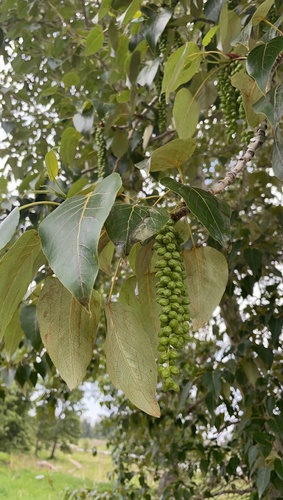
Populus balsamifera
Balsam Poplar, Tacamahac
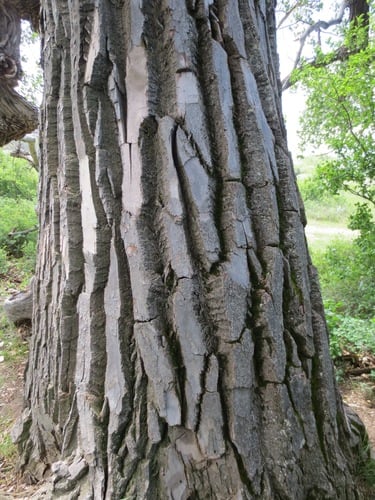
Populus deltoides
Eastern cottonwood, Carolina poplar
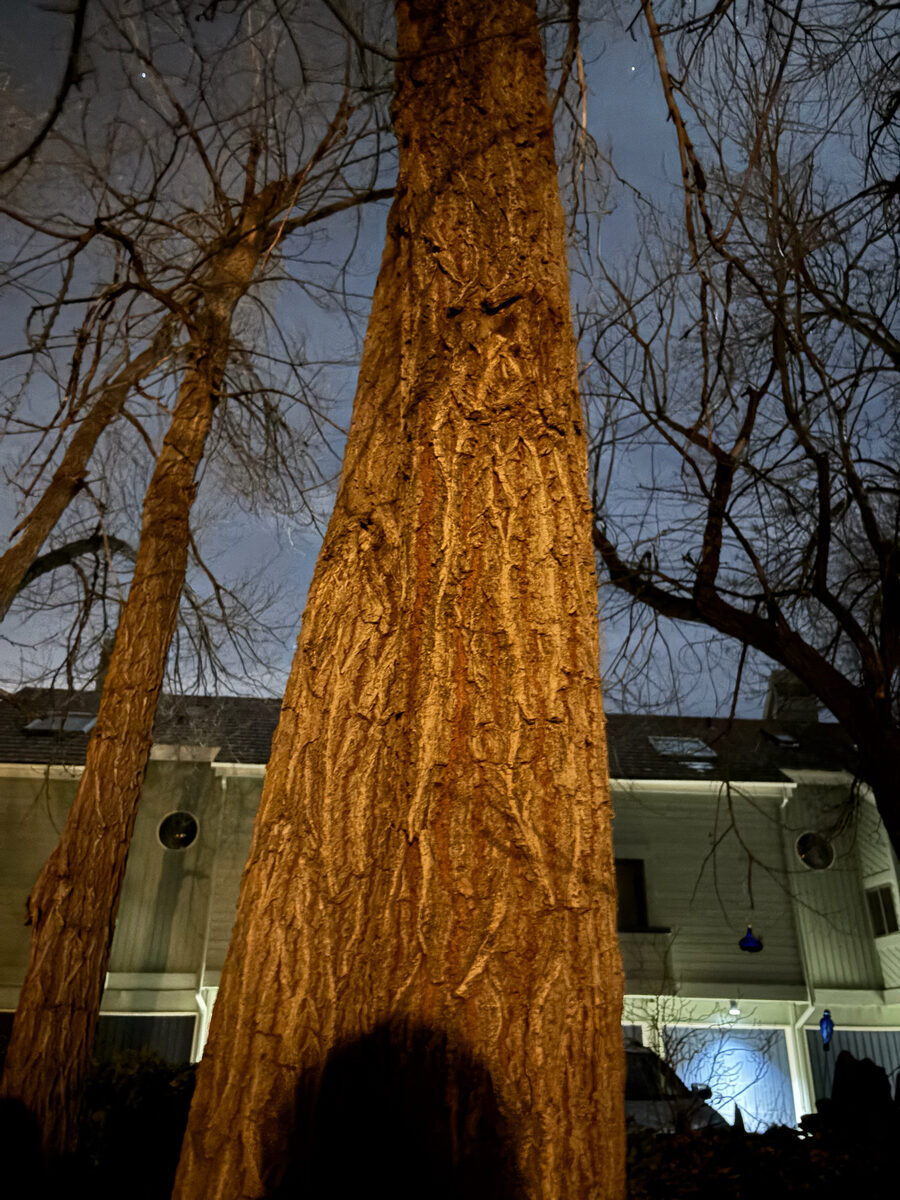
Populus deltoides monilifera - (Aiton.)Eckenw.
Plains Cottonwood
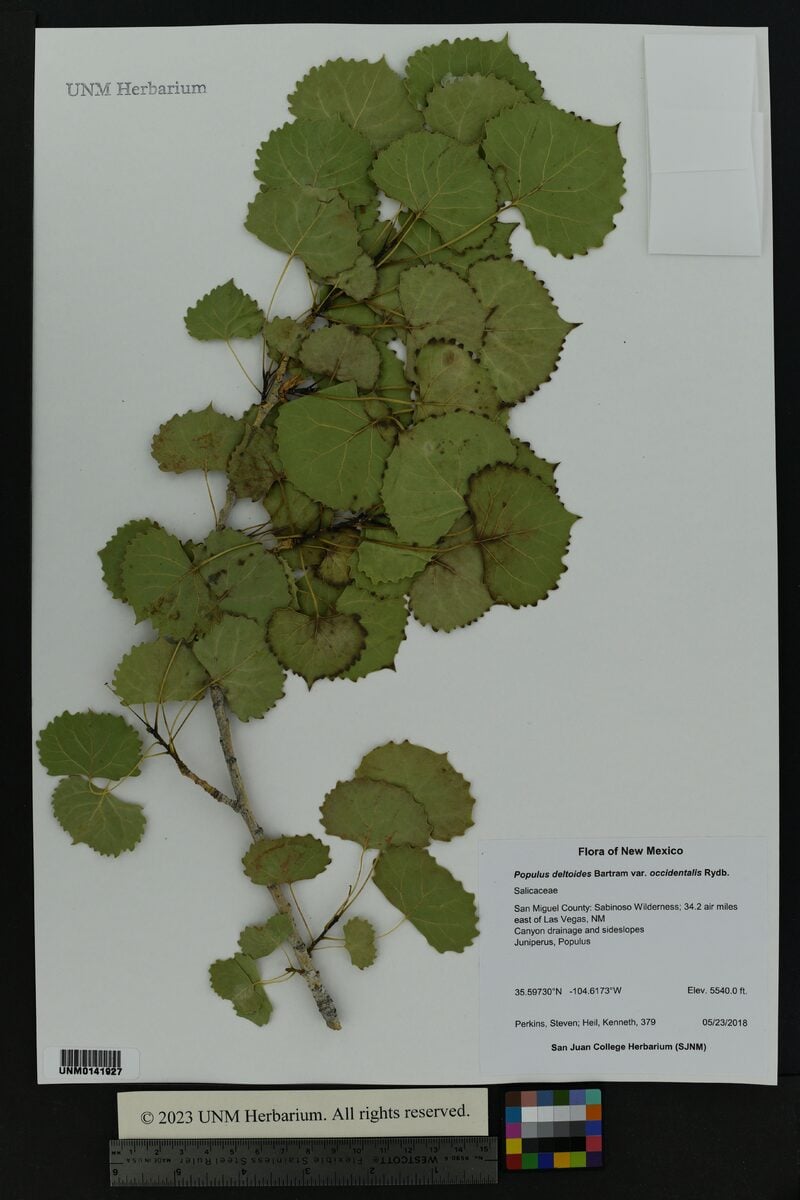
Populus deltoides var. occidentalis
Plains cottonwood
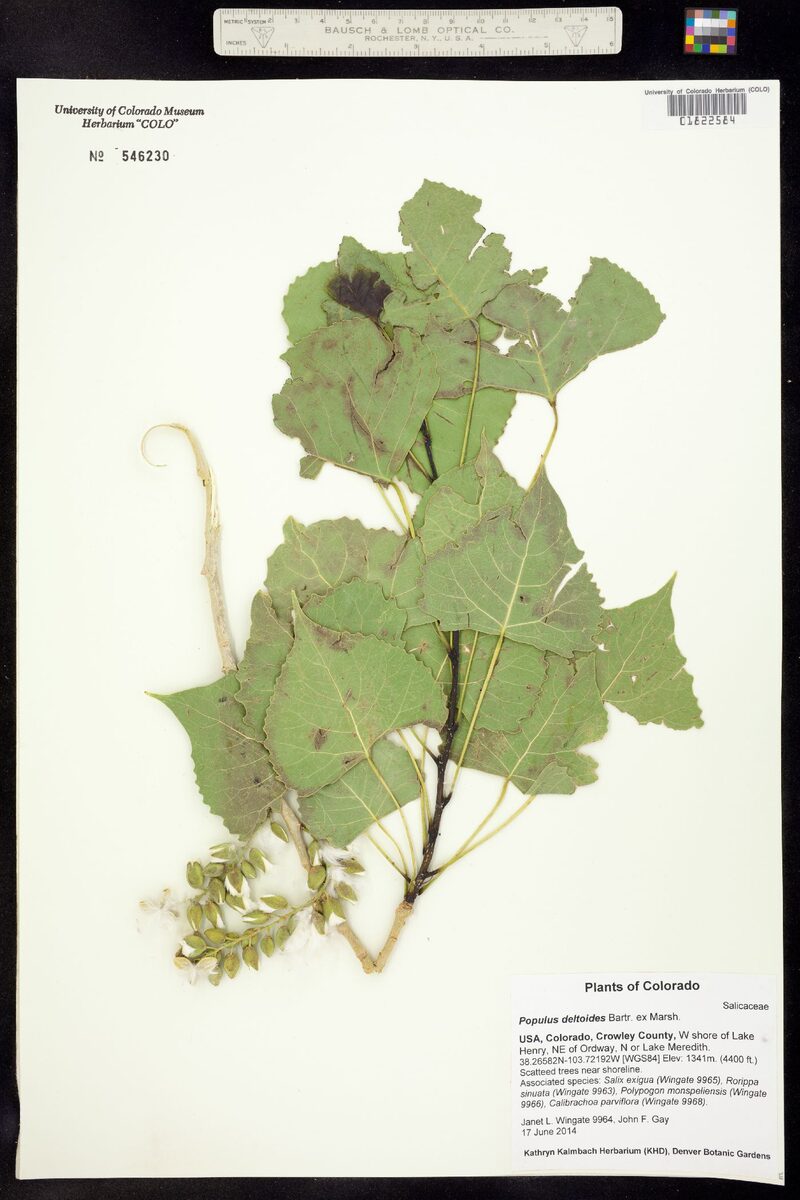
Populus deltoides var. wislizenii
Rio grande cottonwood
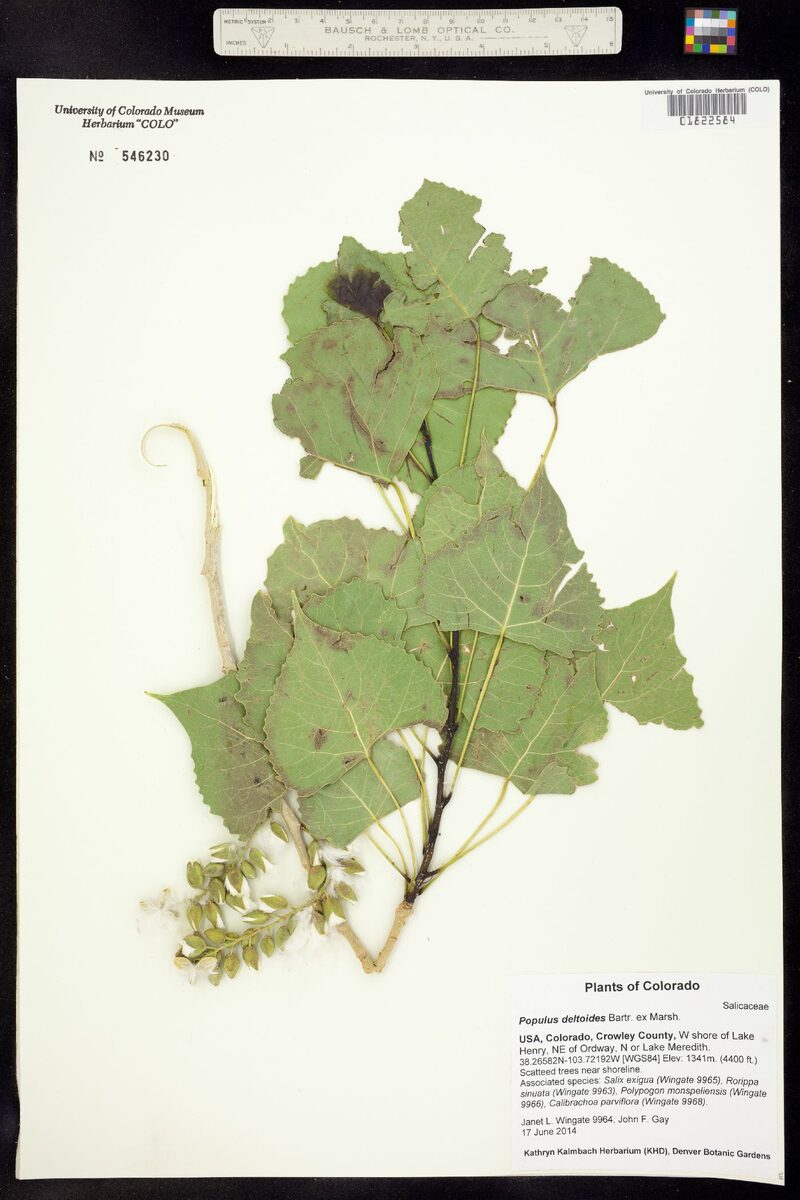
Populus deltoides wislizenii - (S.Watson.)Eckenw.
Rio Grande Cottonwood