Leptactina benguelensis
(Welw. ex Benth. & Hook.f.) R. D. Good
iNaturalist· cc-by-nc
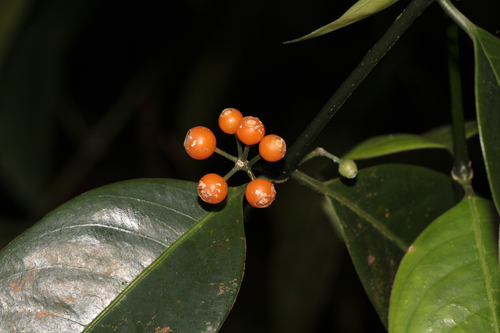
(c) Jean, some rights reserved (CC BY-NC)
iNaturalist· cc-by-nc
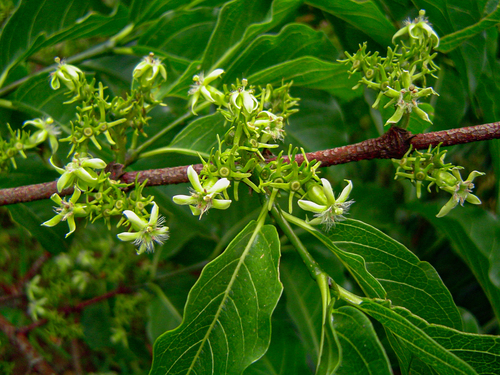
(c) Dan Lee, some rights reserved (CC BY-NC), uploaded by Dan Lee
Description
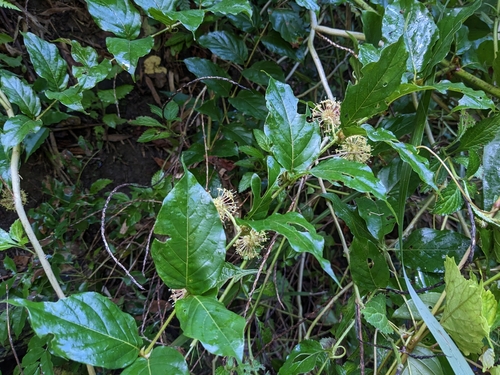
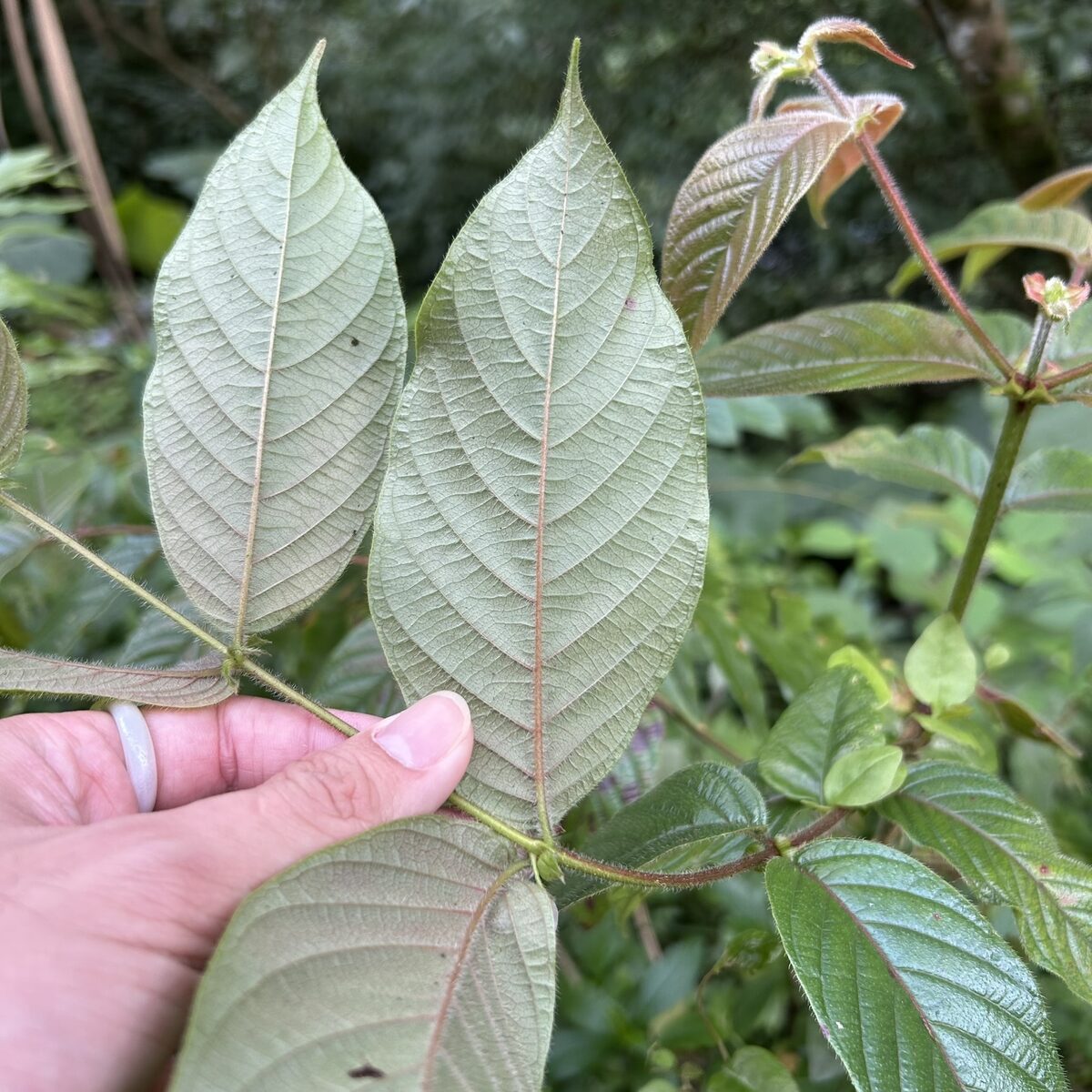
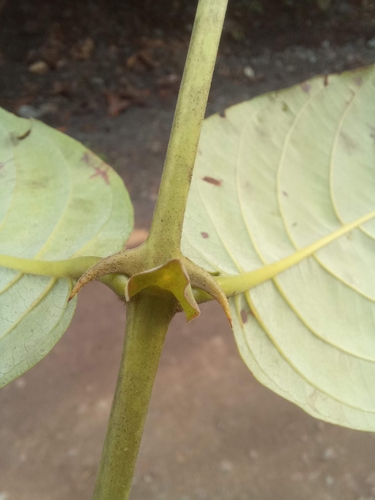
A wiry shrubby herb. It keeps growing from year to year. It can be erect and with many branches or form cushions along the ground 30 cm to 2 m across and 1 m high. The stems arise from a thick woody rootstock. The stems can be hairy. The bark peels on old stems. The leaves are long and oval. They are 2-12 cm long. The leaves are stiff and shiny above and with a few hairs underneath. The flowers are tube shaped and white. They have a scent. They are covered with small curved hairs. The fruit are a rounded berry. They are 1-2 cm long. They turn orange to yellow. They have dark brown seeds.
Edible Uses
Ripe fruit are eaten raw as a snack, dried leaves add flavor to tea, and flowers are sucked for their sweet nectar.
Traditional Uses
The ripe fruit are eaten raw as a snack. The dried leaves are used to add flavour to tea. The flowers are sucked for their sweet nectar.
This uses section is brief — help expand it
Distribution
It is a tropical plant. It grows in woodland and on rocky hillsides. It grows between 900-1,400 m above sea level.
Where It Grows
Africa, Angola, Burundi, Central Africa, Congo DR, East Africa, Mozambique, Tanzania, Zambia, Zimbabwe,
Cultivation
Plants can be grown from seeds or by root suckers.
Propagation
Seed - Root suckers.
Production
In Tanzania fruit are collected from November to April.
Also Known As
Ididi, Kindokoli, Kitokoli, Mavya-ga-ntumbili, Mfyonefyonze
References (4)
- Ferns, Useful Tropical Plants
- Lautenschläger, T., et al, 2018, First large-scale ethnobotanical survey in the province of Uíge, northern Angola. Journal of Ethnobiology and Ethnomedicine (2018) 14:51
- Reis, S. V. and Lipp, F. L., 1982, New Plant Sources for Drugs and Foods from the New York Botanical Garden herbarium. Harvard. p 288
- Ruffo, C. K., Birnie, A. & Tengnas, B., 2002, Edible Wild Plants of Tanzania. RELMA p 440