Catesbaea spinosa
Linn.
Spanish guava, Lily-thorn
iNaturalist· cc-by-nc
(c) Scott Zona, some rights reserved (CC BY-NC)
iNaturalist· cc-by-nc
(c) Scott Zona, some rights reserved (CC BY-NC)
iNaturalist· cc-by
(c) Biodiversity Heritage Library, some rights reserved (CC BY)
Description
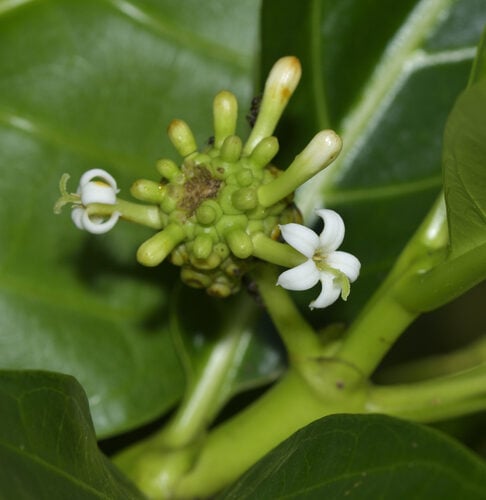
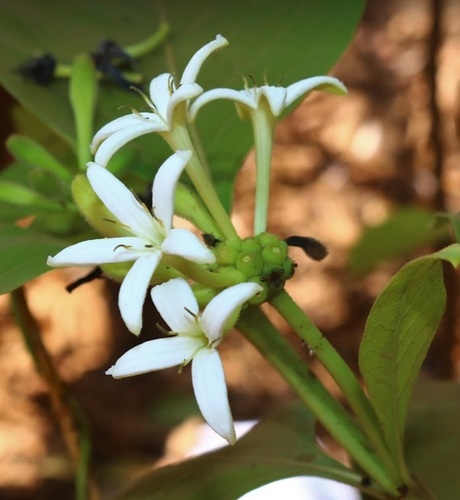
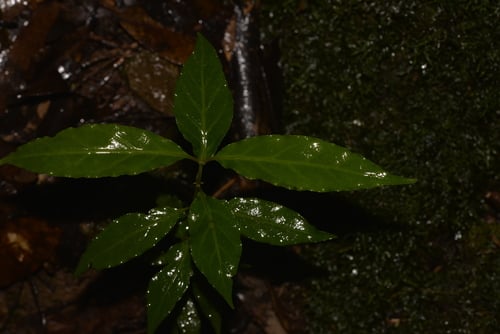
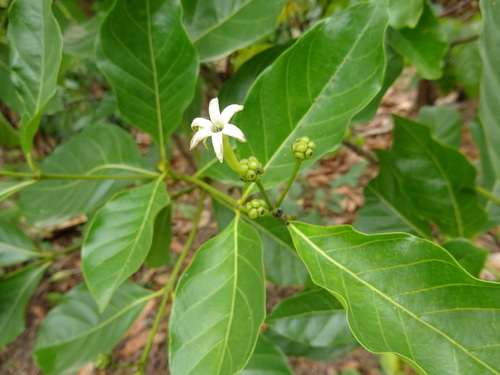
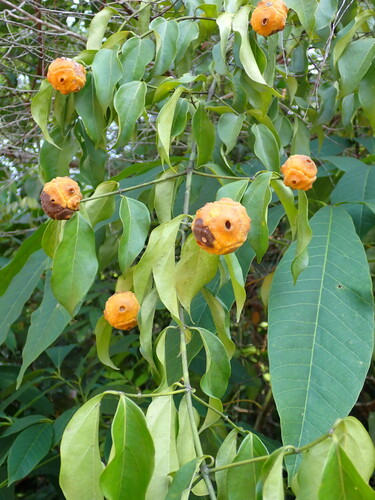
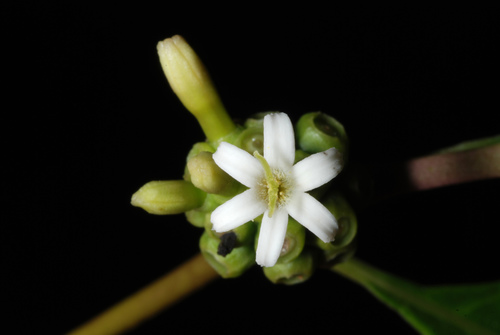
A spiny evergreen shrub. It grows 3-4 m tall. The leaves are broadly oval and 5 cm long. They are dark green. They grow along the upper side of the arching branches. There are small spines in the axils of the leaves. The flowers are trumpet shaped. They hang down and are 15 cm long. The fruit is yellow. It has many small seeds.
Edible Uses
The fruit are eaten fresh and are also used for juices and jam.
Traditional Uses
The fruit are eaten fresh. They are also used for juices and jam.
This uses section is brief — help expand it
Distribution
A tropical plant. It does well in a seasonally moist and dry climate. It can grow in an average, sandy, well-drained soil. It needs full or part sun. It does well in coastal locations. It suits hardiness zones 9-12.
Where It Grows
Asia, Bahamas, Caribbean, Central America, Cuba, Greater Antilles, Pakistan, West Indies,
Notes
There are 16-20 Catesbaea species. They grow in the West Indies.
Synonyms
References (7)
- Flora of Pakistan. www.eFloras.org
- Fouqué, A., 1972, Espèces fruitières d'Amérique tropicale. Institut français de recherches fruitierès outre-mer
- Hedrick, U.P., 1919, (Ed.), Sturtevant's edible plants of the world. p 175
- Kermath, B. M., et al, 2014, Food Plants in the Americas: A survey of the domesticated, cultivated and wild plants used for Human food in North, Central and South America and the Caribbean. On line draft. p 198
- Llamas, K.A., 2003, Tropical Flowering Plants. Timber Press. p 325
Show all 7 references Hide references
- Smith, N., Mori, S.A., et al, 2004, Flowering Plants of the Neotropics. Princeton. p 332
- Sp. pl. 1:109. 1753