Catunaregam nilotica
(Stapf) Tirveng.
Description
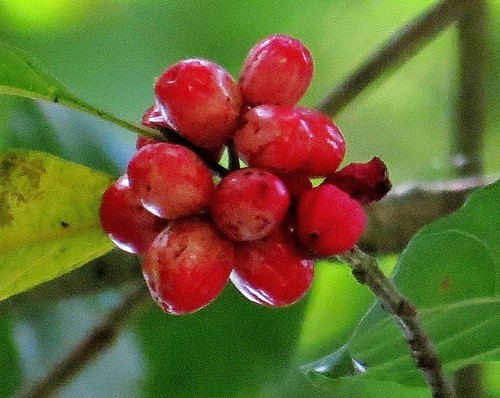
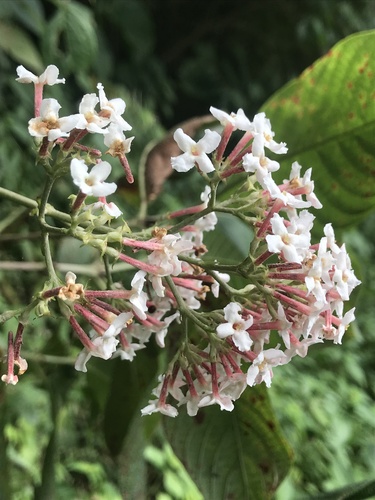
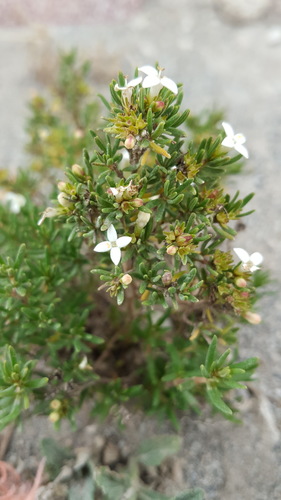
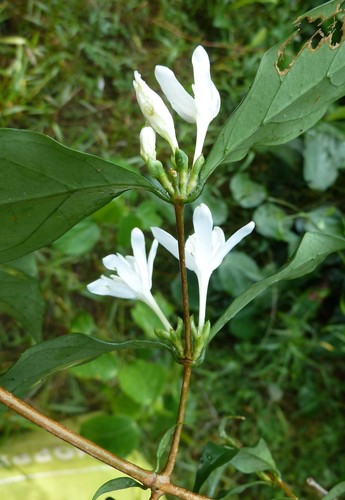
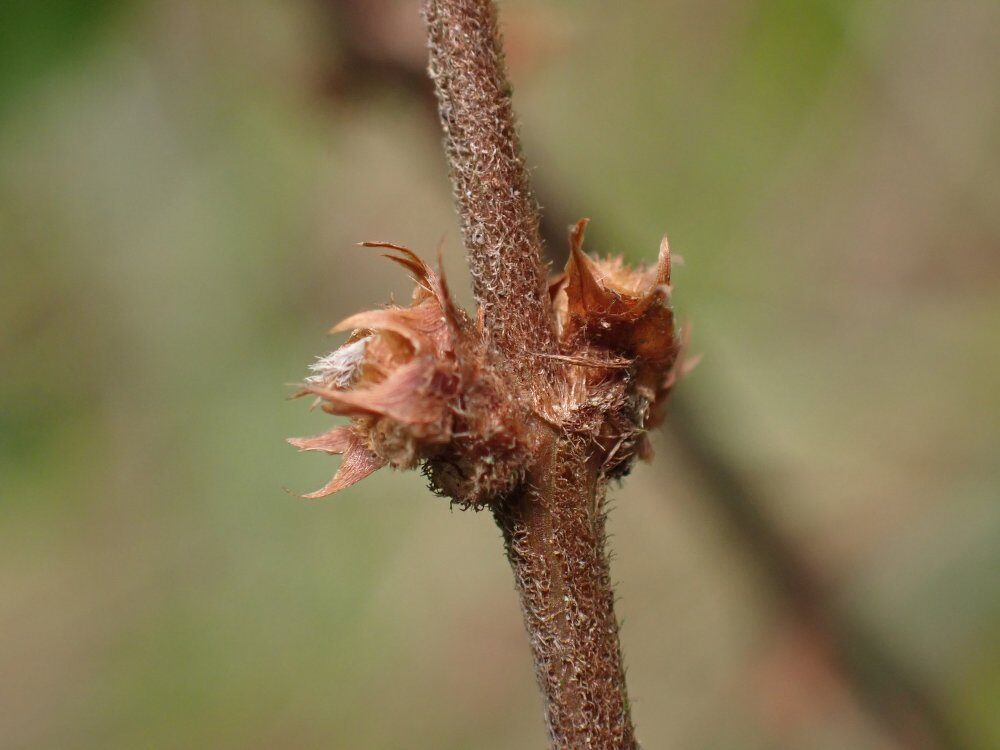
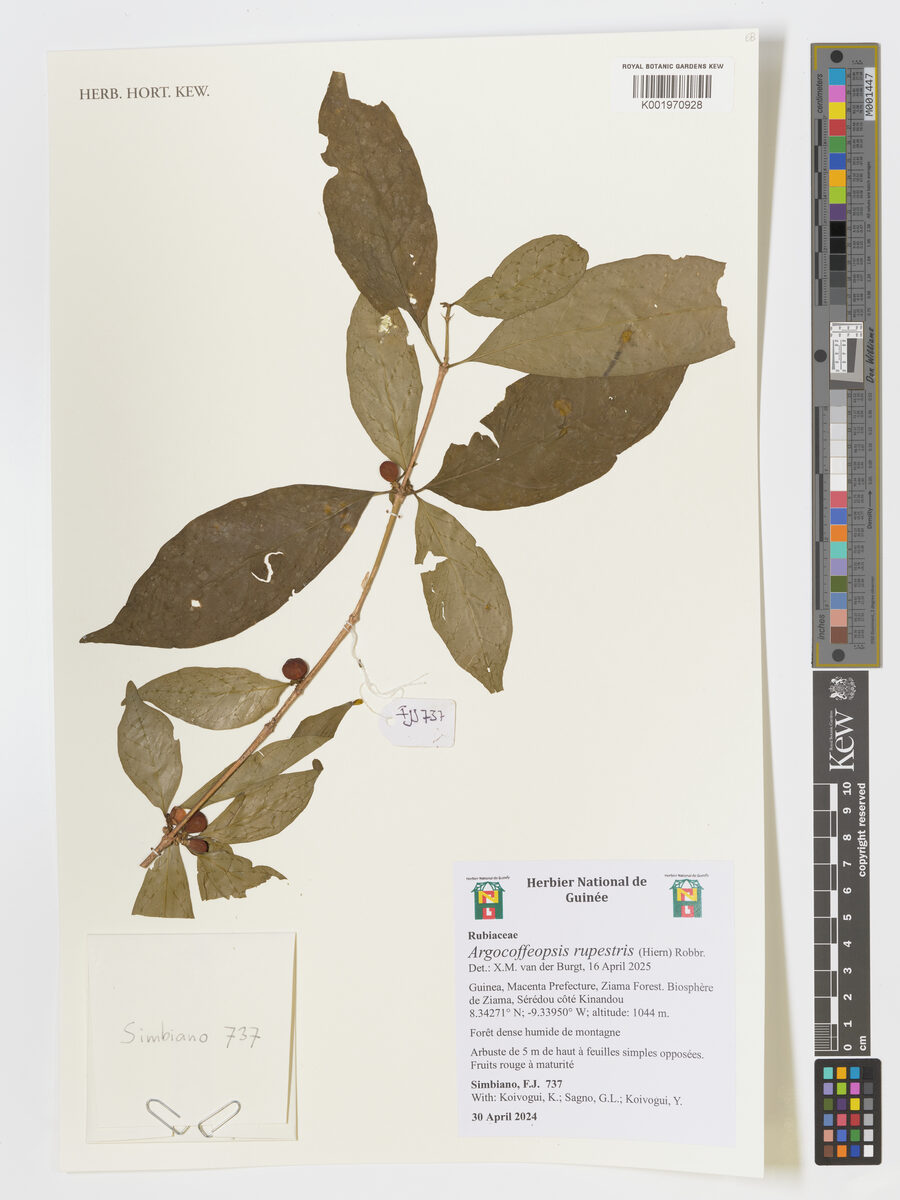
A shrub or small tree. It grows 4.5 m tall. The branches are pale grey. It has spines 25 mm long. The leaves are clustered below the spines. The leaves are oval and 1-6 cm long by 1-2 cm wide. The flowers can occur singly or in clusters. The fruit are a flattened round shape and 8-18 mm across.
Edible Uses
The fruit are eaten, though caution is advised.
Medicinal Uses
The fruit are used as medicine.
Distribution
It is a tropical plant. It grows in dry woodland savannah.
Where It Grows
Africa, Asia, Cameroon, Central Africa, Chad, East Africa, Eritrea, Ethiopia, Guinea, Guinée, India, Kenya, Niger, Nigeria, Sahel, Somalia, Sudan, Tanzania, Uganda, West Africa,
Cultivation
Plants are grown from seeds.
Notes
The fruit are used as medicine.
Synonyms
Also Known As
Barbaje, Barbaji, Chibra, Gi'al-goti, Kerkir, Kwanarya, Lilo, Mainhar, Ondorko, Tshibra, Tsibra
References (3)
- Lulekal, E., et al, 2011, Wild edible plants in Ethiopia: a review on their potential to combat food insecurity. Afrika Focus - Vol. 24, No 2. pp 71-121
- Ojelel, S., et al, 2019, Wild edible plants used by communities in and around selected forest reserves of Teso-Karamoja region, Uganda. Journal of Ethnobiology and Ethnomedicine (2019) 15:3
- Pandy, R. K. & Saini, S. K., 2007, Edible plants of tropical forests among tribal communities of Madhya Pradesh. Indian Journal of Traditional Knowledge. 6(1), pp 185-190