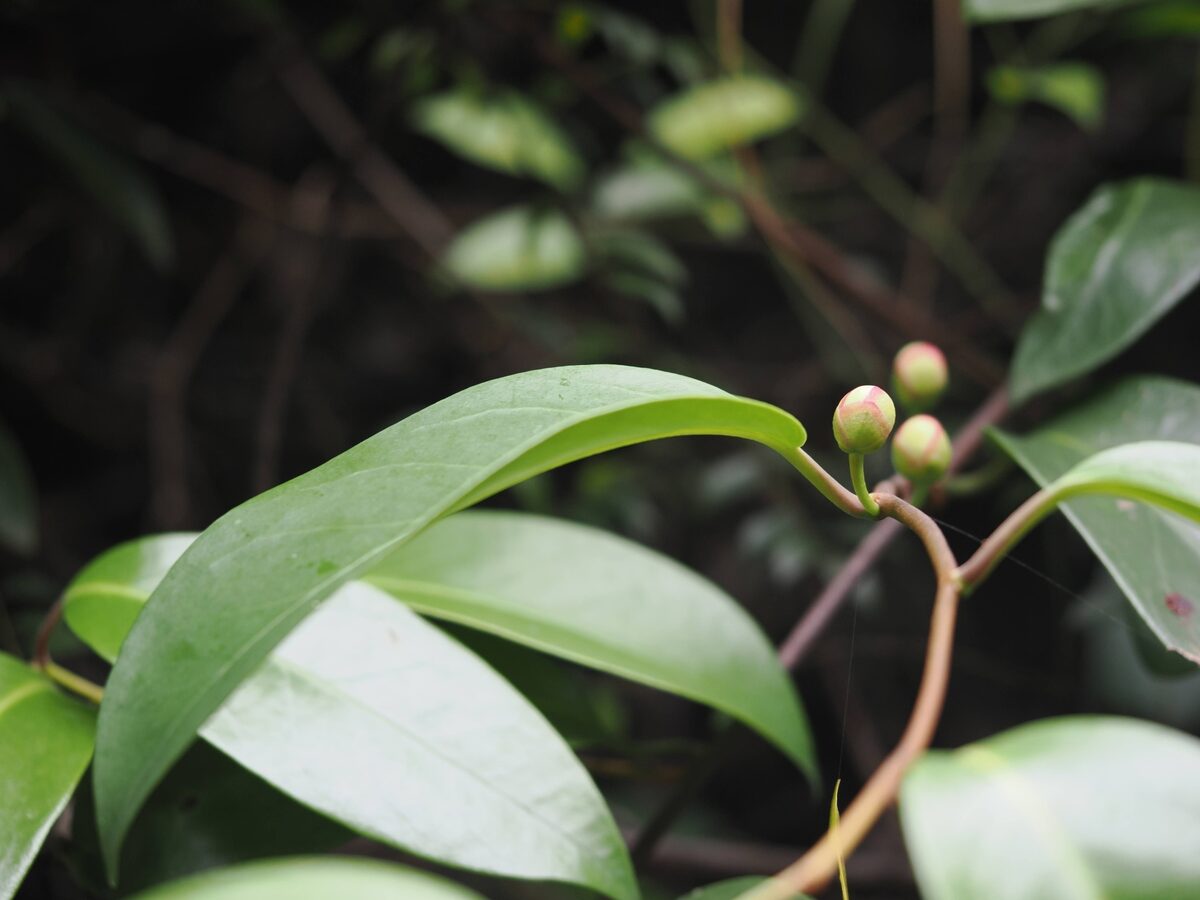
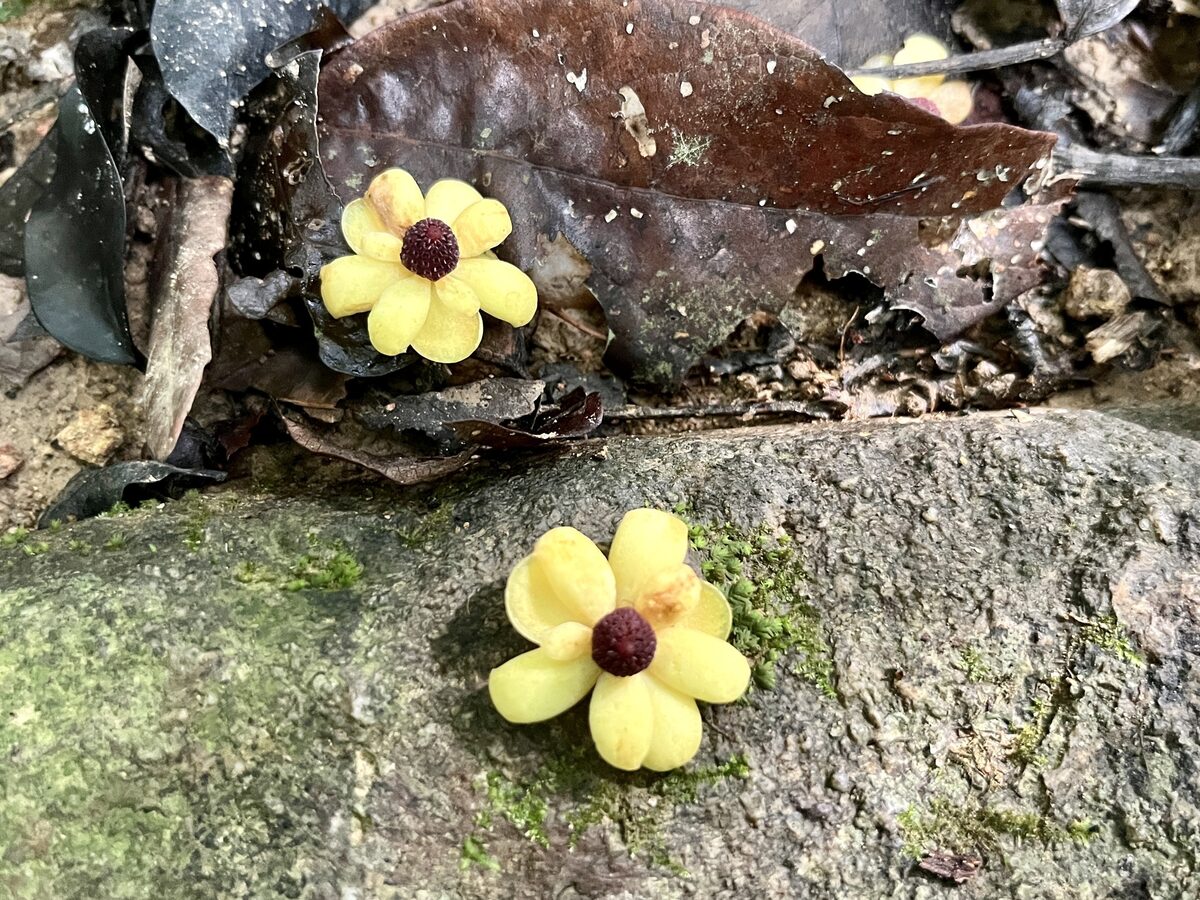
Illicium parviflorum
Michx. ex Vent.
Yellow star anise
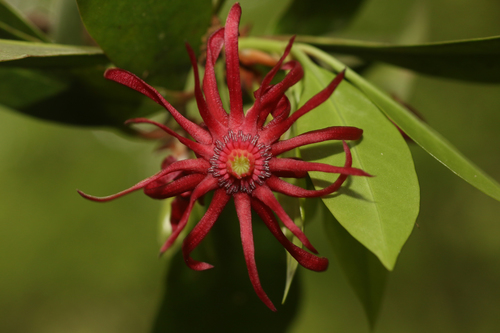
iNaturalist· cc-by-nc
(c) battusboy, some rights reserved (CC BY-NC)
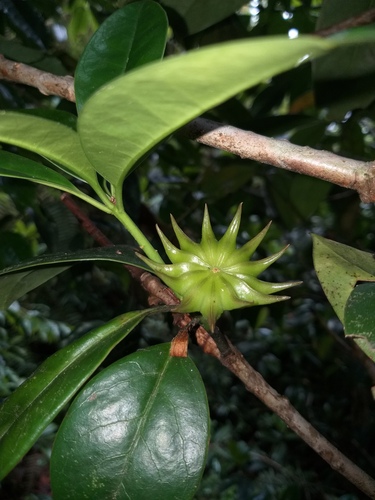
iNaturalist· cc-by-nc
(c) Swampthing9000, some rights reserved (CC BY-NC)
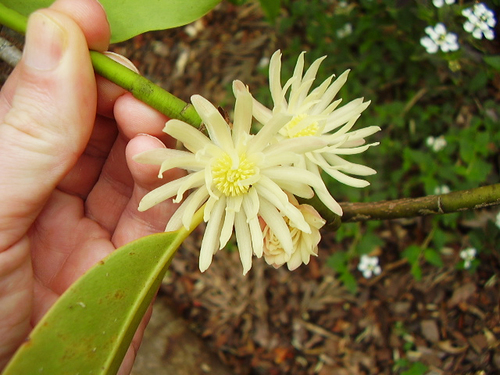
iNaturalist· cc-by-nc
(c) Swampthing9000, some rights reserved (CC BY-NC)
Summary
Source: WikipediaIllicium parviflorum, commonly known as yellow anisetree, yellow-anise, swamp star-anise, and small anise tree, is a species of flowering plant in the family Schisandraceae, or alternately, the Illiciaceae. It is native to Florida in the United States. It historically occurred in Georgia as well, but it has been extirpated from the state.
Description
An evergreen shrub. It keeps growing from year to year. It grows 6 m tall. The leaves are alternate and narrowly oval. They have an aroma when crushed. They are shiny above and dull underneath. The flowers are small and bell shaped and 1-2 cm across. The fruit is a star shaped capsule 2.5 cm across.
Edible Uses
This plant is cultivated as a fragrant and attractive if not very showy ornamental, and can be pruned and shaped to form hedges and windbreaks. It can become very dense as roots continue to send up new shoots, and branches can root where they come in contact with the soil. It is considered easy to grow and does not have many pest problems. It can sprawl up to 4.5 meters wide if not maintained. If the lower branches are removed it can be sculpted into a tree shape. It is commercially available and inexpensive. The plant is poisonous and cannot be used as a spice like its congener, star anise.
Traditional Uses
Caution: In large amounts it is probably poisonous.
This uses section is brief — help expand it
Distribution
It is a subtropical plant. It grows in wetlands and sandy acidic soils. It needs moisture and full sun.
Where It Grows
Asia, Dominican Republic, Indochina, Indonesia, North America, SE Asia, USA, Vietnam, West Indies,
Cultivation
Plants can be grown from seeds and cuttings.
Notes
Also put in the family Illiciaceae.
Also Known As
Anise kuning, Bunga lawang kuning
References (2)
- Seidemann J., 2005, World Spice Plants. Economic Usage, Botany, Taxonomy. Springer. p 183
- Sukarya, D. G., (Ed.) 2013, 3,500 Plant Species of the Botanic Gardens of Indonesia. LIPI p 647