Sauropus villosus
(Blanco) Merr.
wikimedia· cc0
Wikimedia Commons - Francisco Manuel Blanco (O.S.A.)
wikimedia· cc0
Wikimedia Commons - Francisco Manuel Blanco (O.S.A.)
Description
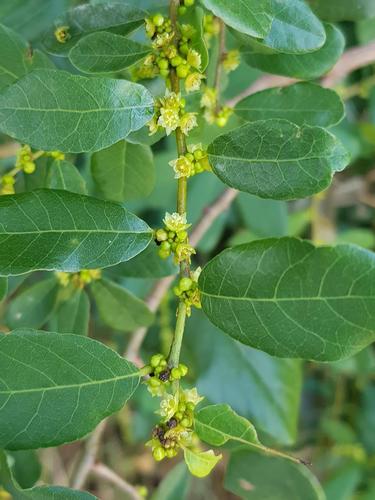
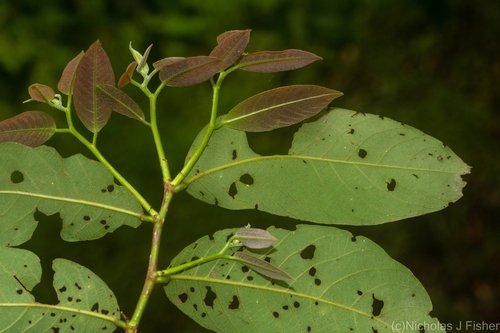
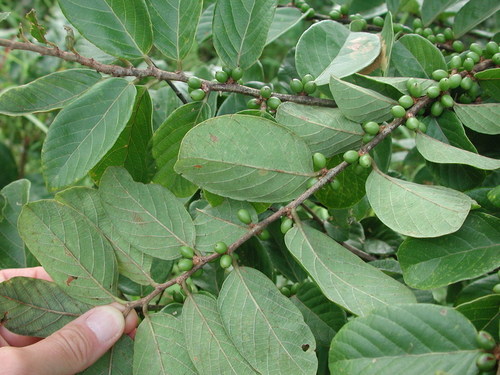
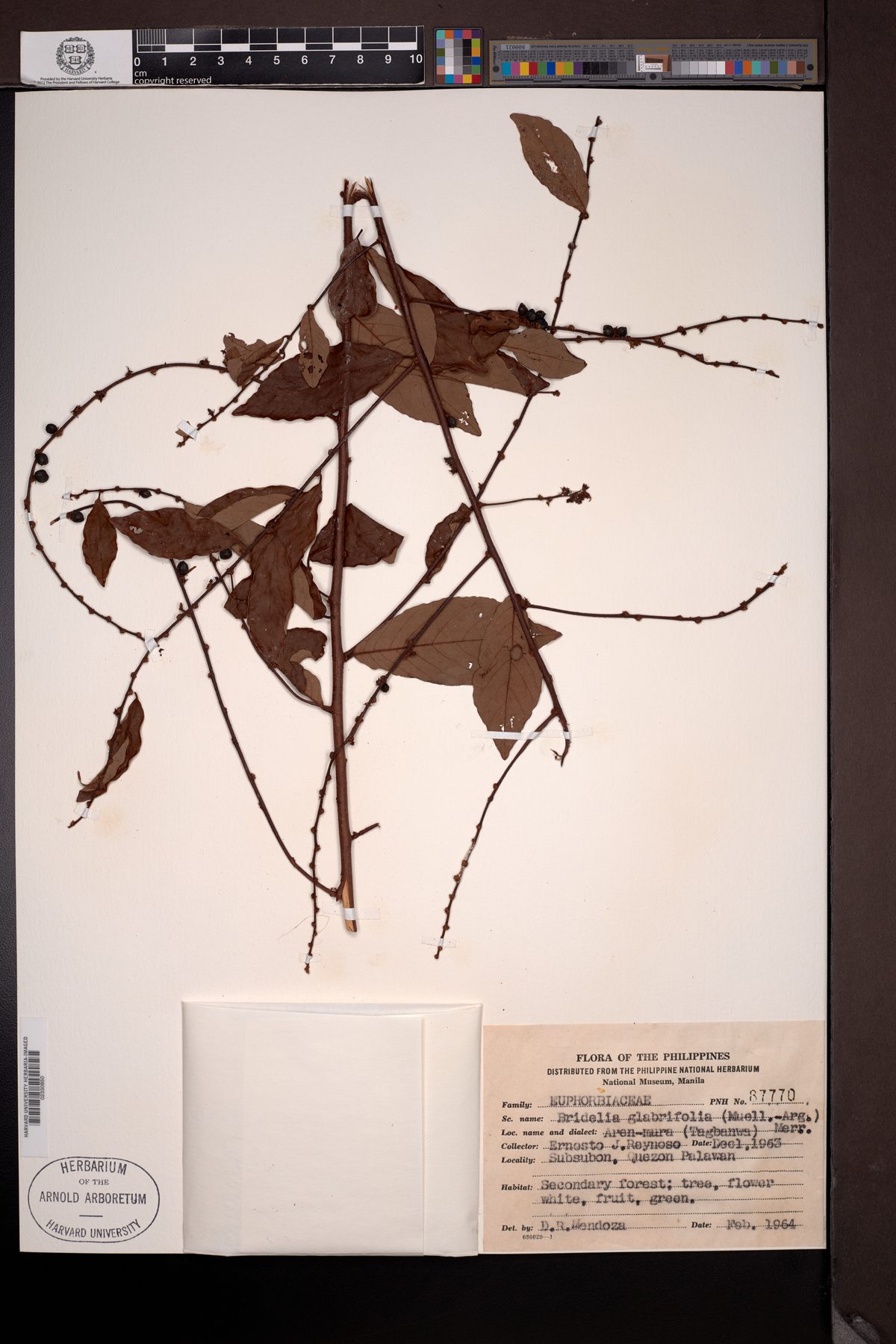
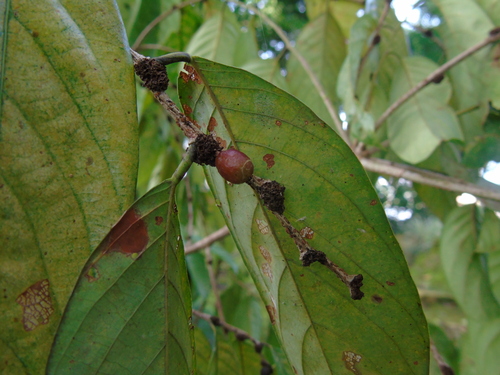
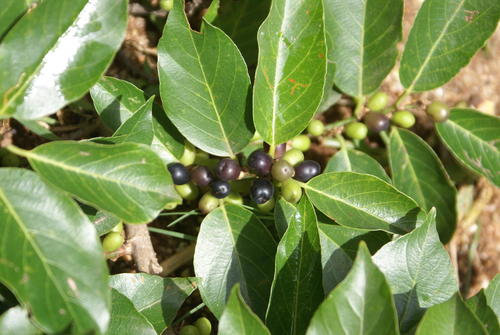
A woody herb or shrub. It grows 2 m tall. The stem is 2 cm across. The branches can be long and light green. The leaves are smaller near the base. They are oval and 1-7 cm long by 1-2 cm wide. The fruit are oval and flattened and 8-11 mm long by 4-6 mm wide. They are yellow to orange.
Edible Uses
The young sprouts, leaves, and bulbils are used as a spice or flavouring.
Traditional Uses
The young sprouts, leaves and bulbils are used as a spice or flavouring.
This uses section is brief — help expand it
Distribution
It is a tropical plant. It grows from sea level to 600 m above sea level. It can be on sandy soils and also on limestone.
Where It Grows
Asia, India, Indochina, Indonesia, Malaysia, Philippines, SE Asia, Thailand, Vietnam,
Cultivation
Found in the wild on sandy soils. Found on limestone.
Other Uses
The trunk makes a good construction material for flooring etc. This is a rather strange report, considering the plant is a shrub or subshrub that only grows up to 2 metres tall.
Notes
They have also been put in the family Euphorbiaceae.
Synonyms
Also Known As
Bebaho, Lanitaga, Ngap yai, Tan ngan khao
References (1)
- Seidemann J., 2005, World Spice Plants. Economic Usage, Botany, Taxonomy. Springer. p 167 (As Glochidion llanosii)