Cosmos atrosanguineus
(Hook.) Voss
Black cosmos, Chocolate cosmos
iNaturalist· cc-by-nc-sa
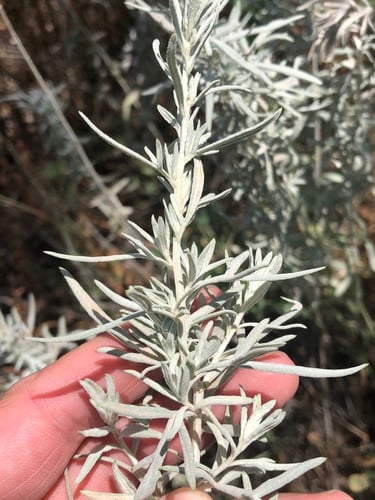
(c) María Eugenia Mendiola González, some rights reserved (CC BY-NC-SA), uploaded by María Eugenia Mendiola González
iNaturalist· cc-by-nc
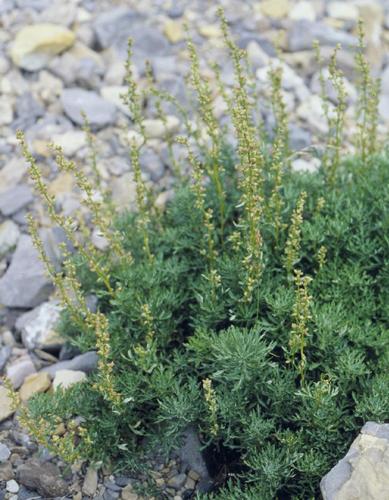
(c) James Bailey, some rights reserved (CC BY-NC), uploaded by James Bailey
iNaturalist· cc-by-nc-sa
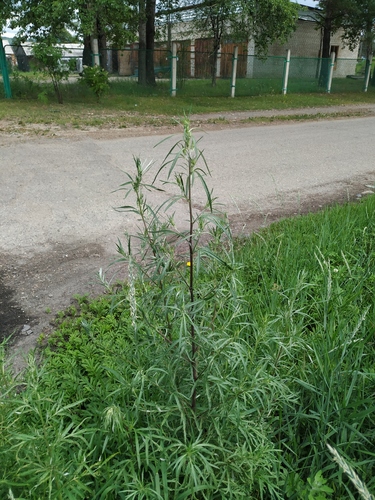
(c) María Eugenia Mendiola González, some rights reserved (CC BY-NC-SA), uploaded by María Eugenia Mendiola González
Summary
Source: WikipediaCosmos atrosanguineus, the chocolate cosmos, is a species of Cosmos, native to Mexico. It has often been claimed that it is extinct in the wild; however it is "quite abundant" in Mexico. The species was introduced into cultivation in 1885, when the British seed company Thompson & Morgan first listed it in their seed catalogue. Its dark red to brownish red flowers have a scent resembling chocolate, which is one reason for its popularity as a cultivated plant.
Description
A herb. It keeps growing from year to year. It grows 40-60 cm tall. It has a fleshy tuberous root. The leaves are 7-15 cm long with leaflets along the stalk. These are 2-5 cm long. The flowers are dark red and have a chocolate or vanilla scent.
Edible Uses
The flowers are occasionally used for flavouring, prized for their chocolate fragrance.
Traditional Uses
The flowers are occasionally used for flavouring. They have a chocolate fragrance.
This uses section is brief — help expand it
Distribution
It is a tropical plant.
Where It Grows
Asia, India, Mexico*, North America,
Cultivation
Plants are grown by division of the tubers.
Synonyms
Also Known As
Chocolate cosmos
References (1)
- Seidemann J., 2005, World Spice Plants. Economic Usage, Botany, Taxonomy. Springer. p 117