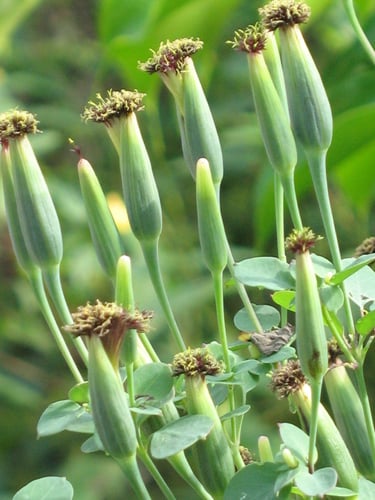
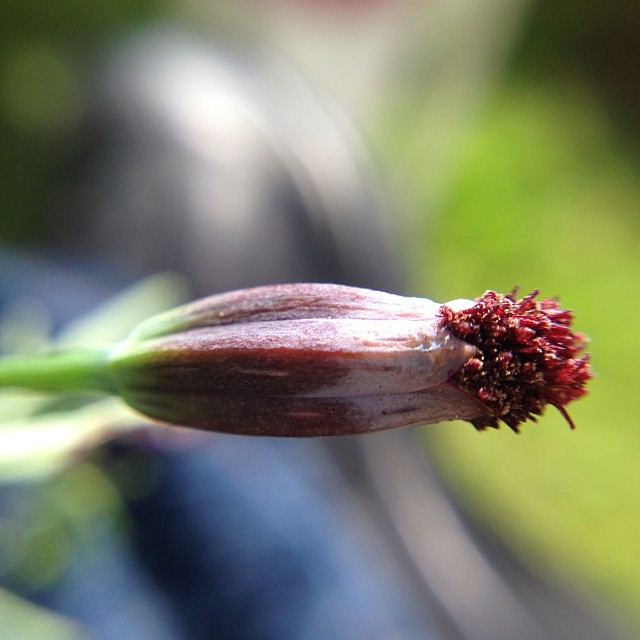
Berlandiera lyrata
Benth.
Brooch flower, Chocolate flower, Lyre-leaf green eyes, Green-eyed lyre leaf
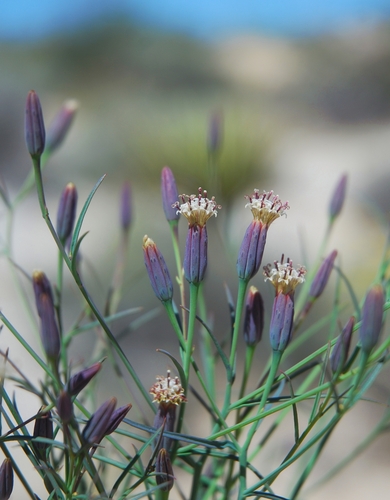
iNaturalist· cc-by-nc
(c) Bob Shrader, some rights reserved (CC BY-NC)
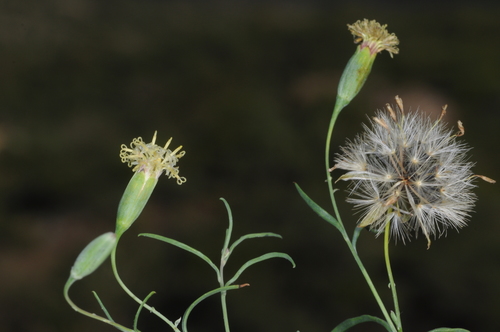
iNaturalist· cc-by-nc-sa
(c) Joshua McDill, some rights reserved (CC BY-NC-SA)
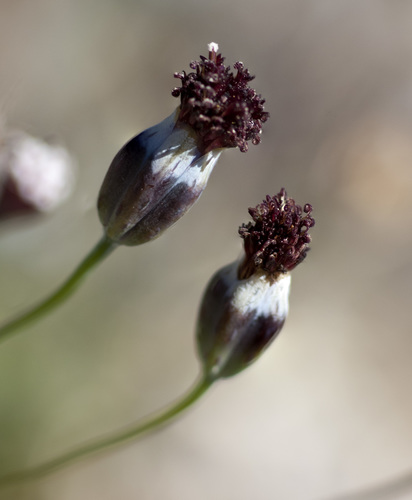
iNaturalist· cc-by-sa
(c) Nadiatalent, some rights reserved (CC BY-SA)
Summary
Source: WikipediaBerlandiera lyrata, with the common names chocolate flower, chocolate daisy, or lyreleaf greeneyes, is a North American species of flowering plant in the family Asteraceae. The common name lyreleaf greeneyes is a reference to the shape of the leaf, which is curved like a lyre and the green disc which is left behind when the ray florets drop off which is thought to look like an eye. This plant is particularly notable for its distinct chocolate-like fragrance, especially during the early morning hours, making it popular in sensory gardens and pollinator habitats. Native to the southwestern United States and northern Mexico, Berlandiera lyrata is drought-tolerant and thrives in arid, rocky soils. Its bright yellow flowers not only add visual appeal but also attract various pollinators, including bees and butterflies, playing an important ecological role in supporting local biodiversity.
Description
A herb. A daisy plant which keeps growing from year to year. It grows 30 cm tall and spreads 30 cm across. The leaves are in a clump near the base. These are deeply lobed and have teeth along the edge. The flowers are in heads on long wiry stalks. The flowers are yellow. The flowers have a scent like chocolate.
Edible Uses
The flowers are dried and used as a seasoning in foods.
Traditional Uses
The flowers are used as seasoning in foods. They are dried.
This uses section is brief — help expand it
Medicinal Uses
The flower head is known to attract beneficial insects to the garden. The stamens have a chocolate flavor and are edible. The plant was also used by Native Americans to alleviate symptoms of stomach problems. Some Native American cultures would burn the dried roots of the plant in order to treat nervous conditions or to inspire courage.
Distribution
It is a warm temperate to tropical plant. They do best in full sun. They need a well-drained soil. It suits hardiness zones 8-11.
Where It Grows
Australia, Canada, Mexico, North America, USA,
Cultivation
Plants can be grown from seed or division of the roots.
Notes
There are 12 Berlandiera species.
Synonyms
References (8)
- Beckstrom-Sternberg, Stephen M., and James A. Duke. "The Foodplant Database." http://probe.nalusda.gov:8300/cgi-bin/browse/foodplantdb.(ACEDB version 4.0 - data version July 1994)
- Cundall, P., (ed.), 2004, Gardening Australia: flora: the gardener's bible. ABC Books. p 233
- Desert Survivors Online Plant Database
- Facciola, S., 1998, Cornucopia 2: a Source Book of Edible Plants. Kampong Publications, p 34
- Kermath, B. M., et al, 2014, Food Plants in the Americas: A survey of the domesticated, cultivated and wild plants used for Human food in North, Central and South America and the Caribbean. On line draft. p 129
Show all 8 references Hide references
- Lim, T. K., Edible Medicinal and Non-Medicinal Plants Volume 7 Flowers
- Loughmiller, C & L., 1985, Texas Wildflowers. A Field Guide. University of Texas, Austin. p 49
- World Checklist of Useful Plant Species 2020. Royal Botanic Gardens, Kew