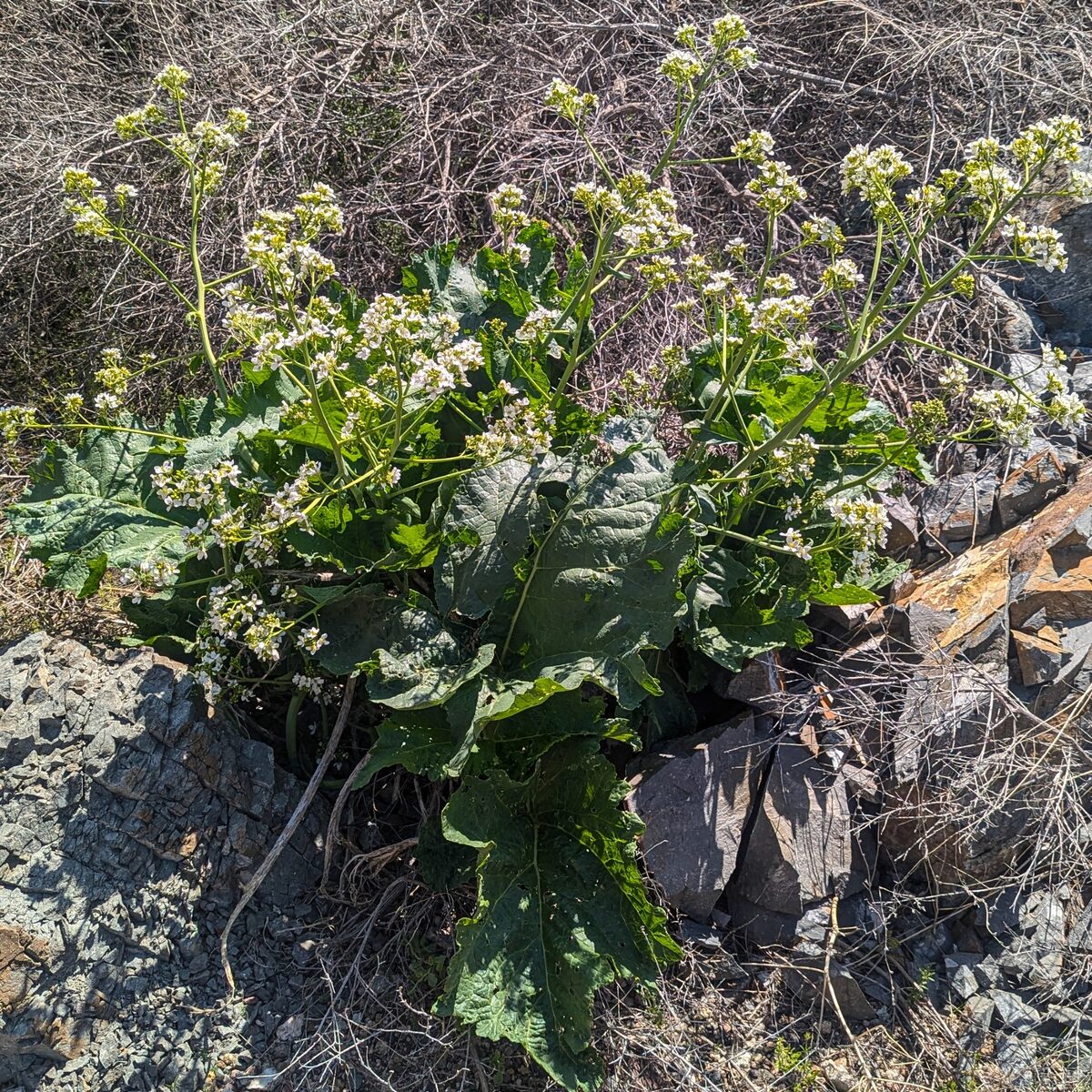
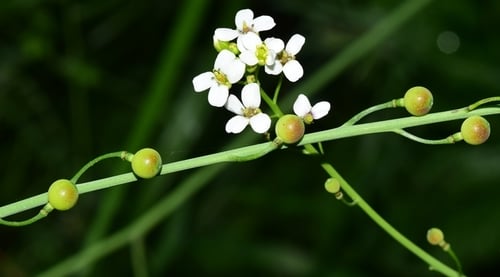
Armoracia sisymbrioides
(DC.) Cajander
Russian wild horseradish
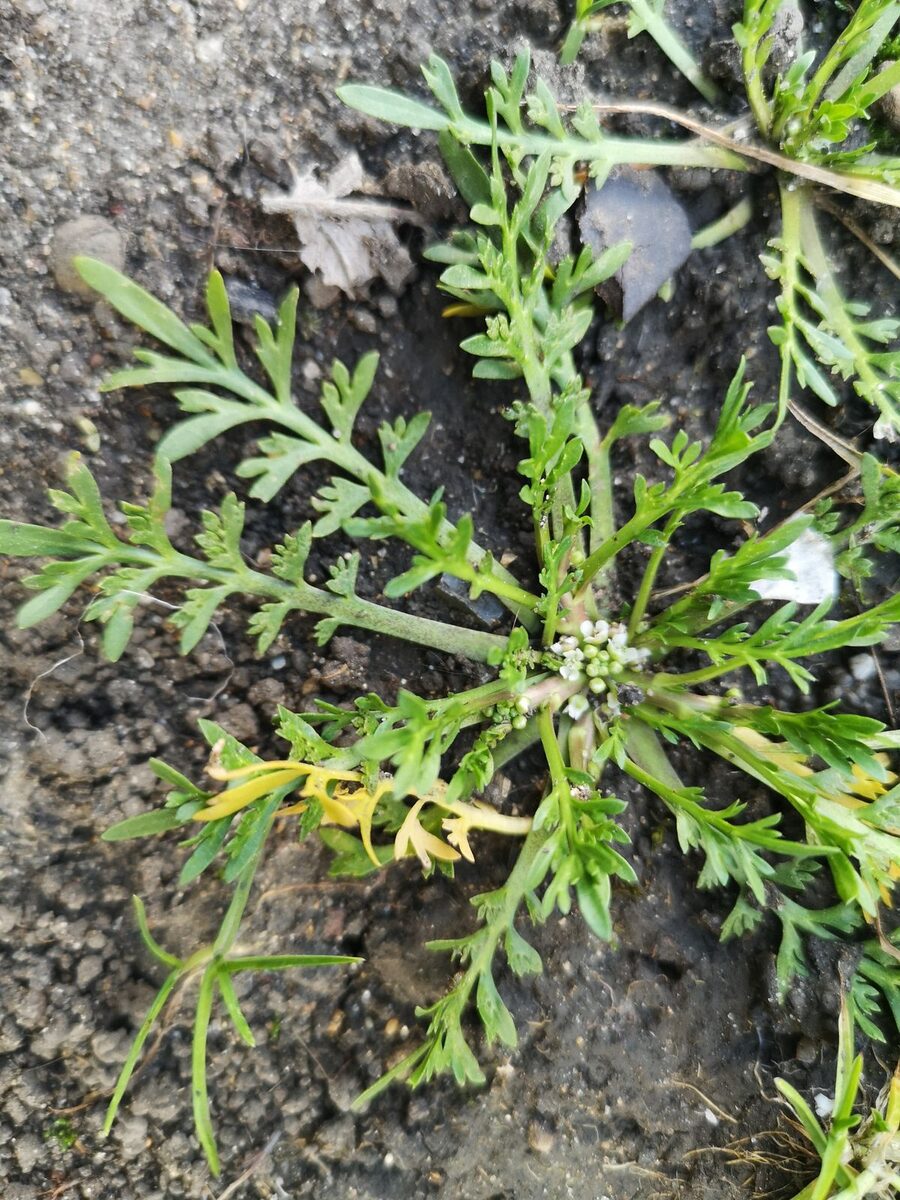
iNaturalist· cc-by-nc
(c) Алексей Эбель, some rights reserved (CC BY-NC), uploaded by Алексей Эбель
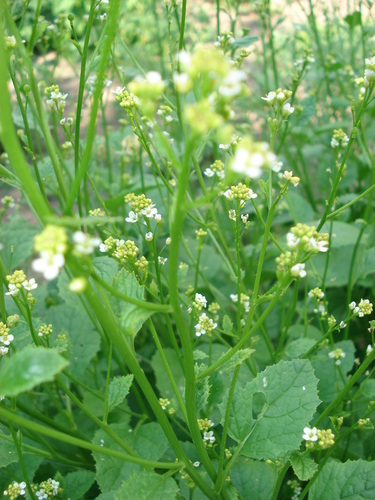
iNaturalist· cc-by-nc
(c) naturalisttt, some rights reserved (CC BY-NC), uploaded by naturalisttt
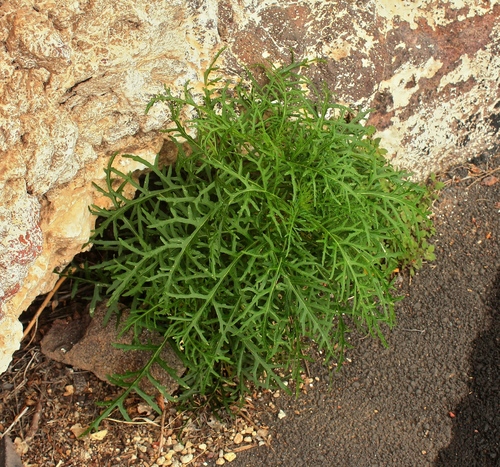
iNaturalist· cc-by-nc
(c) komarov, some rights reserved (CC BY-NC)
Summary
Source: WikipediaArmoracia sisymbrioides is a species of flowering plant in the mustard family, Brassicaceae. It is native to Asia. It was first formally named Cochlearia sisymbroides in 1821 and was transferred to the genus Armoracia in 1902.
Description
A herb in the mustard family with whitish leaves and distinctive ear-shaped stem leaves. It is found in cold temperate regions and is cultivated as a food plant.
Edible Uses
The root is used as a spice and prepared like horseradish. It is also used to make mustard oil.
Traditional Uses
It is used to make mustard oil. It is used like horseradish.
This uses section is brief — help expand it
Distribution
It is a cold temperate plant.
Where It Grows
Arctic, Asia, Russia, Siberia,
Cultivation
Plants grow from seeds.
Other Information
It is a cultivated food plant.
Synonyms
Also Known As
Chren guljavnikovyi, Chren lugovoi
References (2)
- Seidemann J., 2005, World Spice Plants. Economic Usage, Botany, Taxonomy. Springer. p 50
- World Checklist of Useful Plant Species 2020. Royal Botanic Gardens, Kew