Opuntia quimilo
K. Schum.
iNaturalist· cc-by
(c) Nicolas Olejnik, some rights reserved (CC BY), uploaded by Nicolas Olejnik
iNaturalist· cc-by-nc
(c) rocio2091, some rights reserved (CC BY-NC), uploaded by rocio2091
iNaturalist· cc-by
(c) Nicolas Olejnik, some rights reserved (CC BY), uploaded by Nicolas Olejnik
Summary
Source: WikipediaOpuntia quimilo is a tree cactus and flowering plant species belonging to the Cactaceae family. It is found in north-central Argentina and is widespread in Bolivia.
Description
A tree-like cactus with flat pads and yellowish-green fruit. It is a subtropical species.
This description is brief — help expand it
Edible Uses
The ripe fruit are eaten raw, and the fruit pulp is eaten as a vegetable in salads or cooked with other fruit.
Traditional Uses
The fruit pulp is eaten as a vegetable along with other fruit. It is also used in vegetable salads. The ripe fruit are eaten raw.
This uses section is brief — help expand it
Medicinal Uses
We have no specific information on medicinal uses for this species, but the following notes are likely to apply universally to Opuntia species and other related genera. The flesh of tender young stem segments can be applied as a poultice to reduce inflammation. The mucilage and soluble fibre found in the flowers and stem segments have been shown to help control blood-sugar levels associated with adult-onset diabetes. There is clinical evidence that the soluble fibre in the stem segments helps reduce blood cholesterol levels.
Known Hazards
Species in this genus generally have numerous minutely barbed glochids - these are barbed spines that are usually small to minute and are very sharp and brittle. The glochids are very easily dislodged when the plant is touched and can penetrate the skin where, because of their barbs, they become stuck and are very difficult to see and remove. They can cause considerable irritation and discomfort.This species, however, is said to be free of glochids. Opuntia species can contain quite high levels of oxalic acid, especially in older parts of the plant. Perfectly alright in small quantities, foods containing oxalic acid should not be eaten in large amounts since it can lock-up other nutrients in the food, especially calcium, thus causing mineral deficiencies. The oxalic acid content will be reduced if the plant is cooked. People with a tendency to rheumatism, arthritis, gout, kidney stones or hyperacidity should take especial caution if including this plant in their diet since it can aggravate their condition.
Distribution
It is a subtropical plant.
Where It Grows
Argentina, Bolivia, Paraguay, South America,
Synonyms
Also Known As
Anak hitioj, Kajutak, Kajwitak, Quimil, Quimiles, Quimilo, Tunilla
References (6)
- Arenas, P. and Scarpa, G. F., 2006, Edible wild plants of the Chorote Indians, Gran Chaco, Argentina. Botanical Journal of the Linnean Society. Vol. 153 (1): pp 73-85
- Kermath, B. M., et al, 2014, Food Plants in the Americas: A survey of the domesticated, cultivated and wild plants used for Human food in North, Central and South America and the Caribbean. On line draft. p 589
- Palmieri, V. S., et al, 2018, Aproximaciones etnobotánicas de las especies y prácticas de frutos nativos comestibles de la Actualidad. Aportes para la interpretación del pasado prehispánico de cerro colorado (Córdoba, Argentina). Bol. Soc. Argent. Bot. 53 (1): 115-133
- Palmeiri, V. S., & Geisa, M. G., 2019, Las plantas comestibles empleadas por las comunidades comechingonas de San Marcos Sierras (Córdoba, Argentina). Primeras aproximaciones. Bol. Soc. Argent. Bot. 54: 295-309.
- Polini, G., et al, Useful and edible plants of Paraguay Region of Chaco. p 44
Show all 6 references Hide references
- Scarpa, G. F., 2009, Wild food plants used by the indigenous peoples of South American Gran Chaco: A general synopsis and intercultural comparison. Journal of Applied Botany and Food Quality 83:90-101
More from Cactaceae
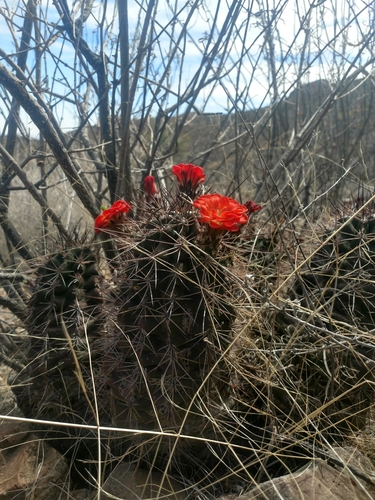
Echinocereus polyacanthus
Giant claret-cup cactus, Salmon-flowered hedgehog, Spiny hedgehog

Echinocereus pulchellus
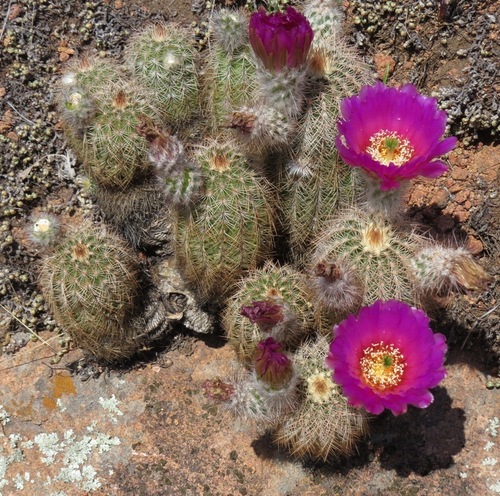
Echinocereus reichenbachii
Black lace cactus, Classen's cactus, Fitch's hedgehog cactus, Lace cactus, Merry widow cactus, Purple candle cactus
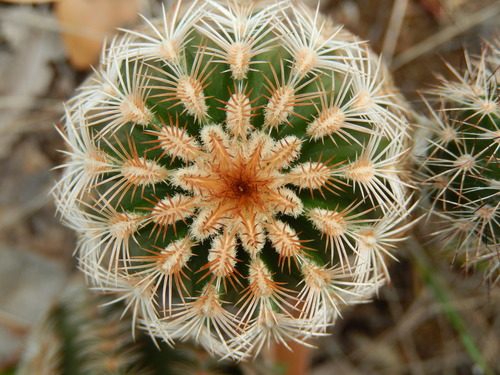
Echinocereus reichenbachii subsp. armatus
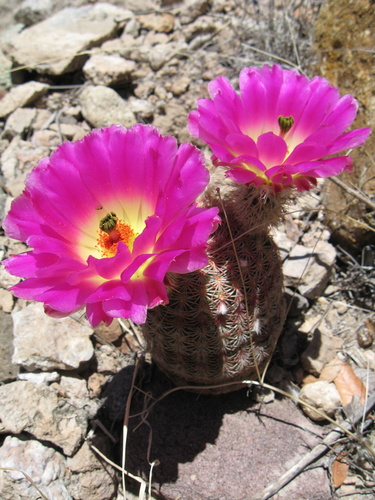
Echinocereus rigidissimus
Rainbow hedge-hog cactus
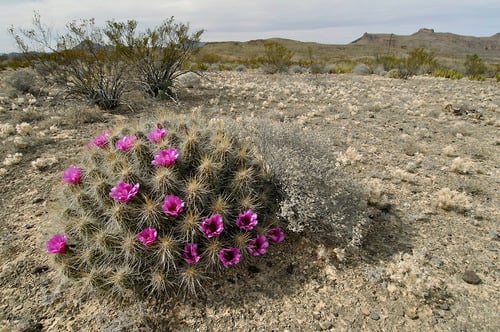
Echinocereus stramineus
Mexican strawberry, Porcupine hedgehog cactus