Ceanothus herbaceus
Raf.
Red root, Inland Ceanothus, Smaller red-root, Jersey tea
iNaturalist· cc-by-nc
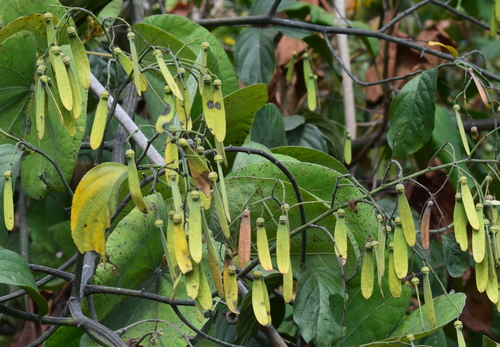
(c) lisajasiurkowski, some rights reserved (CC BY-NC)
iNaturalist· cc-by-nc-sa
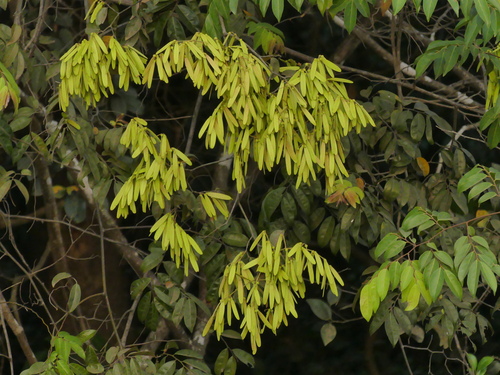
(c) annagypsy, some rights reserved (CC BY-NC-SA)
iNaturalist· cc-by-nc
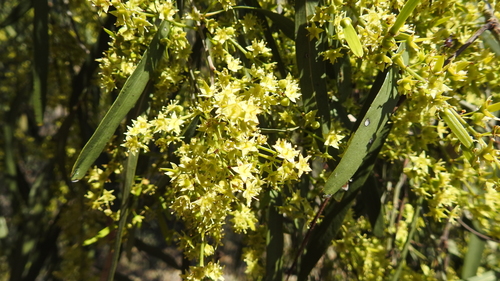
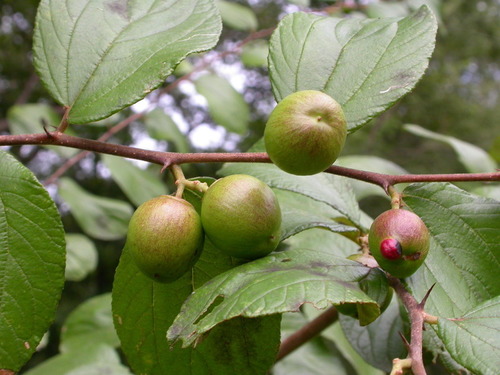
(c) Christian Schwarz, some rights reserved (CC BY-NC), uploaded by Christian Schwarz
Summary
Source: WikipediaCeanothus herbaceus, also known as Jersey tea, is a species of shrub in the family Rhamnaceae and is similar to Ceanothus americanus and Ceanothus sanguineus. It is a perennial shrub which is native to North America.
Description
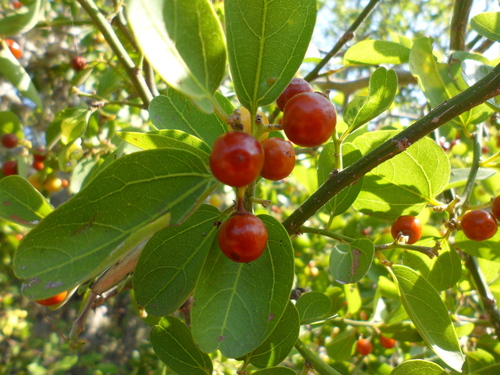
An evergreen shrub or small tree. It grows 0.9-3 m high and spreads 90 cm wide. It loses its leaves during the year. The flowers are small and white. The fruit are dry seed capsules. They turn red in summer.
Edible Uses
The young leaves and flowers are steeped in boiling water for about 5 minutes to make tea.
Traditional Uses
The young leaves and flowers are steeped in boiling water for about 5 minuted then used for tea.
This uses section is brief — help expand it
Medicinal Uses
Traditionally used as a tea made from young leaves and flowers.
Distribution
It is a temperate plant. It suits hardiness zones 4-9.
Where It Grows
Australia, North America, USA,
Notes
There are about 55 Ceanothus species.
References (5)
- Cundall, P., (ed.), 2004, Gardening Australia: flora: the gardener's bible. ABC Books. p 347 (As Ceanothus ovatus)
- Elias, T.S. & Dykeman P.A., 1990, Edible Wild Plants. A North American Field guide. Sterling, New York p 176 (As Ceanothus ovatus)
- Facciola, S., 1998, Cornucopia 2: a Source Book of Edible Plants. Kampong Publications, p 190 (As Ceanothus ovatus)
- Kermath, B. M., et al, 2014, Food Plants in the Americas: A survey of the domesticated, cultivated and wild plants used for Human food in North, Central and South America and the Caribbean. On line draft. p 201
- USDA plants